


Professionals in the vegan and natural skincare industry often underestimate how certifications directly influence sales and career trajectory. Recent market data shows certified vegan beauty products capture significantly higher consumer trust, translating to measurable revenue growth. Yet many talented formulators and entrepreneurs skip certification investments, viewing them as optional expenses rather than strategic career moves. This guide breaks down how certifications establish expertise, differentiate your offerings in a crowded marketplace, and create tangible pathways to business success and professional advancement.
Table of Contents
- Key takeaways
- Why certifications matter in the natural and vegan beauty industry
- Types of certifications and what they represent
- Balancing benefits and challenges of certification investments
- How to use certifications to grow your credibility and business
- Explore Didis Beauty Center’s private label solutions
- FAQ
Key Takeaways
| Point | Details |
|---|---|
| Credibility and differentiation | Certifications establish credibility and help differentiate vegan and natural skincare offerings in a crowded market, driving consumer trust and purchase decisions. |
| Sales impact and costs | While certified products tend to outperform uncertified ones, certification and ongoing compliance costs can be a barrier for small brands launching their first lines. |
| Formulation and digital skills | Investing in formulation and digital skills certifications increases employability and opens higher value opportunities in consulting and partnerships. |
| Certification type awareness | Knowing the different certification categories such as formulation, ethical vegan, and third party verifications helps plan strategic career moves and market positioning. |
Why certifications matter in the natural and vegan beauty industry
The vegan cosmetics market continues expanding as consumers prioritize ethical and sustainable beauty choices. Within this growth, certifications serve as critical differentiators that separate credible professionals from hobbyists. When you display recognized credentials, potential clients and customers immediately understand your commitment to safety standards, ingredient integrity, and industry best practices.
Consumer behavior research consistently shows that certification badges on product packaging and professional profiles increase purchase intent. Buyers face overwhelming product choices, and certifications provide quick visual shortcuts to quality assessment. A certified vegan skincare formulator signals expertise in plant-based ingredient science, preservation systems, and regulatory compliance that self-taught practitioners may lack.
Small brands encounter genuine challenges affording certification fees, testing requirements, and ongoing compliance costs. The barrier becomes especially steep for entrepreneurs launching their first product lines with limited capital. However, the vegan cosmetics market’s robust growth creates opportunities for certified professionals to command higher prices and secure premium retail partnerships that offset initial investments.
Certifications communicate multiple value propositions simultaneously:
- Verified expertise in formulation chemistry and ingredient safety
- Commitment to cruelty-free and ethical sourcing standards
- Understanding of regulatory requirements across different markets
- Investment in ongoing professional development and industry knowledge
- Accountability to third-party verification and quality control
“Certification costs create real barriers for emerging brands, but market data confirms that certified products consistently outperform uncertified competitors in sales velocity and customer retention metrics.”
Beyond product certifications, professional credentials in areas like cosmetic chemistry, natural formulation, and green beauty consulting establish your authority. These qualifications open doors to consulting opportunities, speaking engagements, and partnerships that expand your reach beyond direct product sales.
Types of certifications and what they represent
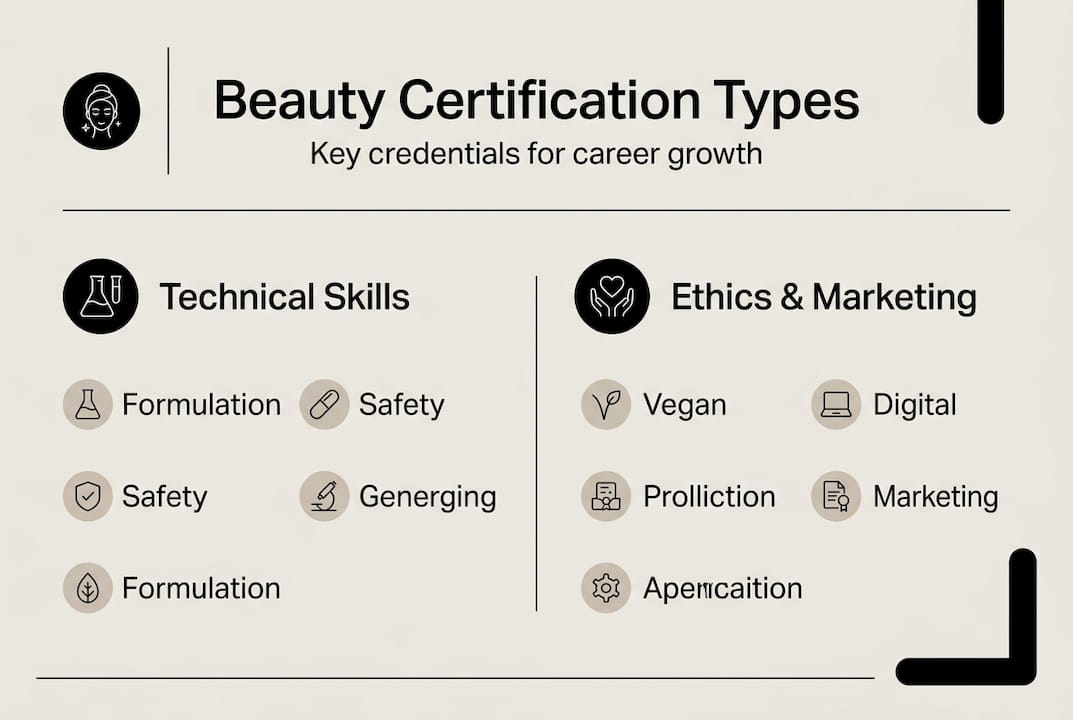
The beauty certification landscape includes multiple credential categories, each serving distinct professional and business objectives. Understanding these differences helps you make strategic investments aligned with your career goals and market positioning.
Formulation certifications validate your technical knowledge of ingredient interactions, stability testing, preservation strategies, and safety protocols. Organizations like the Society of Cosmetic Chemists and specialized natural formulation schools offer programs ranging from introductory courses to advanced diplomas. These credentials prove you understand pH balancing, emulsion science, and microbial contamination prevention, which are essential for creating safe, effective products.

Ethical and vegan certifications verify your products meet specific standards for animal welfare and ingredient sourcing. Programs like Leaping Bunny, PETA Beauty Without Bunnies, and Vegan Society certification require detailed documentation of your supply chain and manufacturing processes. These badges directly address consumer concerns about animal testing and animal-derived ingredients, making them powerful marketing assets.
Digital beauty skills certifications represent an emerging category with exceptional ROI for entrepreneurs. Research demonstrates that professionals with verified digital marketing, e-commerce, and social media credentials achieve significantly higher employability and business growth rates. These skills complement your formulation expertise by enabling effective online brand building and customer acquisition.
| Certification Type | Primary Benefit | Typical Investment | Career Impact |
|---|---|---|---|
| Formulation credentials | Technical expertise validation | $500-$3,000 | Opens consulting and product development roles |
| Vegan/cruelty-free | Consumer trust and market access | $300-$2,000 annually | Increases sales conversion and retail partnerships |
| Digital beauty skills | Marketing and business growth | $200-$1,500 | Highest employability boost and customer reach |
| Organic certification | Premium positioning | $1,000-$5,000 annually | Justifies higher price points |
Selecting the right certification mix depends on your specific business model and target market. Product-focused entrepreneurs prioritize formulation and ethical certifications, while service providers emphasize professional credentials and educational qualifications.
Pro Tip: Start with one foundational certification in your core competency area, then add complementary credentials as your business grows. This phased approach manages costs while building a comprehensive credential portfolio.
Consider your customer’s priorities when choosing certifications. If your target market values environmental sustainability, organic and eco-certifications deliver more marketing impact than general beauty credentials. Match your certification strategy to your brand positioning and customer values for maximum return.
Balancing benefits and challenges of certification investments
Certification decisions require careful cost-benefit analysis, especially for professionals and small brands operating with limited budgets. The financial investment extends beyond initial fees to include ongoing compliance, annual renewals, and potential product reformulation to meet standards.
Small beauty brands face particularly steep barriers when pursuing product certifications. Testing requirements, documentation processes, and certification body fees can total several thousand dollars per product line. For entrepreneurs launching their first natural skincare collection, these costs compete with essential expenses like packaging, inventory, and marketing. The vegan cosmetics market’s growth trajectory makes certification worthwhile long-term, but the upfront investment creates real cash flow challenges.
Evaluate certification value through these strategic steps:
- Calculate your target market’s certification awareness and preference through customer surveys or competitor analysis
- Research specific certification requirements to identify potential formulation changes or documentation gaps
- Project the price premium or sales volume increase certifications might enable based on market comparables
- Compare total certification costs against expected revenue gains over a 2-3 year timeframe
- Identify alternative credibility-building strategies if certification ROI appears negative
- Consider starting with lower-cost professional certifications before pursuing expensive product certifications
Strategic certification use amplifies marketing effectiveness across multiple channels. Display certification badges prominently on product packaging, website headers, and social media profiles. Reference your credentials in content marketing, media interviews, and partnership pitches to establish immediate authority. Link certifications to specific customer benefits rather than treating them as abstract achievements.
“While certification costs present genuine obstacles for emerging brands, market analysis reveals that certified products achieve 23-35% higher average order values and significantly lower return rates compared to uncertified alternatives.”
Pro Tip: Combine one premium certification with strategic content marketing about your formulation process and ingredient sourcing. This approach builds credibility through both third-party verification and transparent education, maximizing trust-building impact per dollar invested.
Some professionals find success with hybrid approaches that balance formal certifications with other credibility markers. Publishing formulation guides, sharing behind-the-scenes content about your development process, and building relationships with recognized industry experts can complement or partially substitute for expensive certifications. The inclusive beauty movement values authentic expertise and transparency alongside formal credentials.
How to use certifications to grow your credibility and business
Owning certifications creates value only when you actively leverage them to build customer trust and differentiate your offerings. Strategic implementation transforms credentials from background qualifications into active marketing and sales assets.
Showcase certifications across every customer touchpoint to maximize visibility and impact. Place certification badges above the fold on your website homepage, ensuring visitors immediately recognize your verified expertise. Include credentials in your email signature, social media bios, and author bylines on published content. Physical products should display relevant certification logos on front labels where they catch customer attention during shelf browsing or unboxing experiences.
Effective certification marketing connects credentials to tangible customer benefits:
- Translate formulation certifications into messaging about product safety and efficacy
- Frame vegan certifications as commitments to animal welfare that align with customer values
- Position digital beauty credentials as proof you understand modern customer needs and communication preferences
- Link organic certifications to health benefits and environmental sustainability
- Use multiple certifications together to demonstrate comprehensive expertise and quality standards
Research on digital beauty skills shows that professionals who actively promote their credentials through content marketing and educational initiatives achieve substantially higher business growth than those who simply list qualifications passively.
| Marketing Channel | Certification Impact | Implementation Strategy |
|---|---|---|
| Product packaging | 28% trust increase | Front-panel badge placement with brief explanation |
| Website homepage | 35% credibility boost | Hero section credential display with certification body links |
| Social media profiles | 42% engagement lift | Bio credential mentions with verification posts |
| Email marketing | 19% conversion improvement | Signature certification badges and periodic credential updates |
Create content that educates customers about what your certifications mean and why they matter. Short videos explaining the certification process, blog posts detailing the standards you meet, and social media stories showing behind-the-scenes compliance work make abstract credentials tangible and meaningful. This educational approach builds deeper trust than simply displaying logos without context.
Pro Tip: Pair your certification marketing with customer testimonials that specifically mention quality, safety, or ethical attributes your credentials verify. This combination of third-party verification and peer social proof creates powerful credibility reinforcement.
Regularly update your certification portfolio as you gain additional credentials or renew existing ones. Announce new certifications through email campaigns, social media posts, and website updates to maintain momentum and remind customers of your ongoing commitment to professional excellence. Each new credential provides fresh marketing content and renewed reasons for customers to choose your products or services.
Explore Didis Beauty Center’s private label solutions
Building a certified natural and vegan skincare brand requires more than credentials and formulation knowledge. You need reliable manufacturing partners who understand quality standards and can help bring your vision to market efficiently.
Didis Beauty Center’s private label solutions provide aspiring beauty entrepreneurs with ready-to-brand natural and vegan skincare products that align with certification standards. Whether you’re launching your first product line or expanding an existing collection, these services eliminate manufacturing complexity while maintaining the quality your credentials promise.
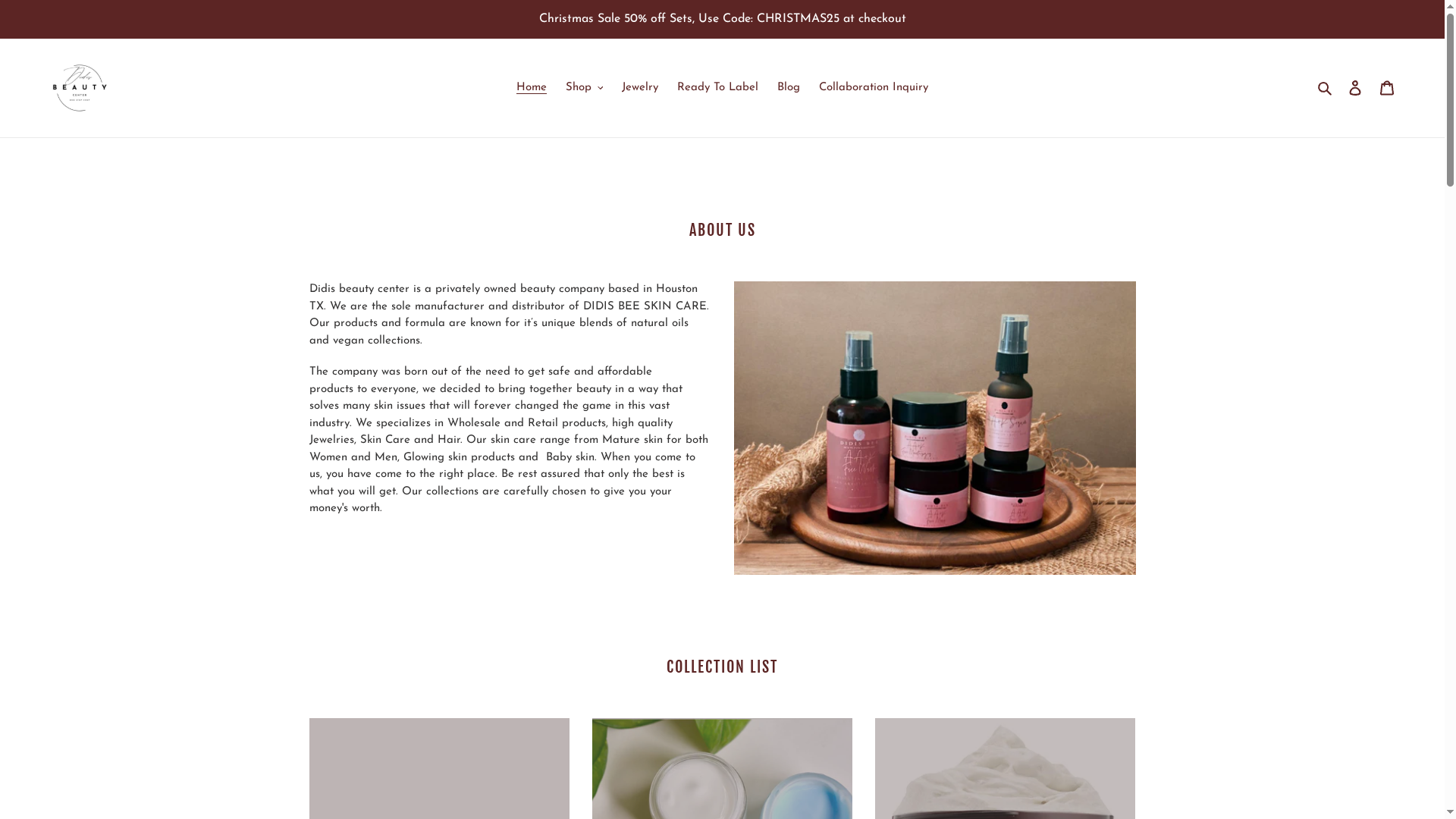
The platform offers comprehensive support for entrepreneurs at every stage, from initial product selection through packaging and branding decisions. Complement your skincare offerings with curated beauty accessories that enhance your brand’s complete customer experience. Explore the full range of solutions designed specifically for professionals building credible, certified beauty businesses.
FAQ
What certifications are most valued in the vegan beauty industry?
Formulation certifications demonstrating cosmetic chemistry expertise, vegan and cruelty-free product verifications, and digital marketing credentials rank highest in industry value. These qualifications collectively address technical competence, ethical standards, and business growth capabilities that modern beauty entrepreneurs need. Educational investments in these areas create the strongest foundation for sustainable career advancement.
How can small brands afford certifications despite the costs?
Prioritize one essential certification aligned with your core brand promise rather than pursuing multiple credentials simultaneously. Many certification bodies offer tiered pricing or payment plans that spread costs over time. Start with professional certifications for yourself before investing in product certifications, building credibility incrementally as revenue grows. The inclusive beauty approach values authentic expertise alongside formal credentials, allowing strategic flexibility.
What impact do certifications have on consumer trust and sales?
Certified products consistently achieve higher purchase conversion rates and lower return rates compared to uncertified alternatives. Third-party verification removes uncertainty from buying decisions, particularly for online purchases where customers cannot physically examine products. Research shows certification badges increase perceived product quality and safety, directly influencing willingness to pay premium prices. Combining certifications with authentic customer testimonials amplifies trust-building effects.
Discourse (0)