


Choosing vegan skincare in 2026 feels like navigating a minefield of marketing claims. With 72% of consumers reporting increased trust after reading authentic testimonials, peer reviews have become the most powerful validation tool for natural beauty products. Yet, understanding which testimonials genuinely reflect product quality versus clever marketing requires critical evaluation skills that many shoppers lack.
Table of Contents
- Introduction To Testimonials In Natural And Vegan Skincare
- How Testimonials Build Trust And Validate Ethical Claims
- Quantitative Impact Of Testimonials On Consumer Behavior
- Common Misconceptions About Testimonials In Beauty Products
- Comparison Of Testimonial Types: Text, Video, Influencer
- Expert Perspectives On Testimonial Authenticity And Scientific Validation
- Role Of Testimonials In Supporting Small Businesses And Private Label Brands
- Practical Tips For Consumers And Entrepreneurs To Assess Testimonial Value
- Explore Authentic Natural And Vegan Skincare At Didis Beauty Center
- Frequently Asked Questions About Testimonials In Vegan Skincare
Key Takeaways
| Point | Details |
|---|---|
| Trust amplification | Testimonials boost consumer confidence by 72% when evaluating natural and vegan skincare products |
| Bias awareness | Approximately 35% of reviews may be influenced by incentives or promotional arrangements |
| Format matters | Video testimonials demonstrate higher perceived authenticity compared to text-only customer reviews |
| Expert guidance | Dermatologists recommend pairing testimonial insights with ingredient transparency checks for optimal decision making |
| Small brand leverage | Indie vegan skincare companies rely heavily on authentic testimonials to compete with established brands |
Introduction to Testimonials in Natural and Vegan Skincare
Testimonials in natural and vegan skincare represent firsthand customer accounts documenting product experiences, effectiveness, and ethical alignment. These reviews go beyond generic product ratings by specifically addressing concerns about ingredient purity, cruelty-free manufacturing, and visible skin health improvements.
The vegan beauty market has exploded in 2026, driven by consumers demanding transparency about product sourcing and manufacturing ethics. Greenwashing tactics have made shoppers increasingly skeptical of brand claims alone. Customer testimonials serve as independent validation, offering real-world evidence that products deliver on promises of natural efficacy and ethical beauty standards.
Several factors explain why testimonials matter more than ever:
- Consumer distrust of traditional advertising has reached all-time highs
- Vegan and cruelty-free certifications alone don’t guarantee product performance
- Social media has created direct channels for unfiltered customer feedback
- Younger demographics prioritize peer validation over brand messaging
Authentic testimonials address the gap between marketing promises and actual results. They provide nuanced insights into texture, scent, absorption, and long-term skin changes that product descriptions cannot capture. For consumers navigating crowded markets, these peer experiences become essential decision-making tools.
How Testimonials Build Trust and Validate Ethical Claims
Social proof operates on a fundamental psychological principle: people trust the experiences of others who share similar values and concerns. When potential buyers read detailed accounts from verified customers, their skepticism diminishes because testimonials humanize abstract product claims.
Testimonials validate vegan and cruelty-free assertions through several mechanisms. First, customers often mention specific expectations about ethical sourcing that were met or exceeded. Second, detailed usage stories reveal whether products align with values like sustainability and ingredient transparency. Third, emotional narratives about switching from conventional to natural skincare create relatable journeys that resonate with like-minded shoppers.
The impact of eco-conscious labeling becomes more credible when testimonials confirm that products live up to their environmental promises. Authentic customer voices describing their transition to vegan skincare routines provide tangible proof that natural alternatives work effectively.
Research shows that testimonials addressing specific product attributes generate stronger trust than generic praise. Customers who describe how a vegan serum reduced hyperpigmentation over eight weeks provide actionable evidence that influences purchasing decisions.
Pro Tip: Prioritize testimonials that include before-and-after timelines, specific skin concerns addressed, and detailed application methods. Vague praise like “great product” offers little validation compared to descriptions of texture, absorption speed, and visible results after consistent use.
Authenticity markers include realistic language, mention of minor drawbacks alongside benefits, and detailed usage contexts that demonstrate genuine product testing. When testimonials acknowledge learning curves or optimal application techniques, they signal honest feedback rather than scripted endorsements.
Quantitative Impact of Testimonials on Consumer Behavior
Data from 2026 consumer surveys reveals the measurable influence testimonials exert on vegan skincare purchasing patterns. Understanding these numbers helps both shoppers and brands recognize the power of authentic peer feedback.
| Metric | Impact Percentage | Context |
|---|---|---|
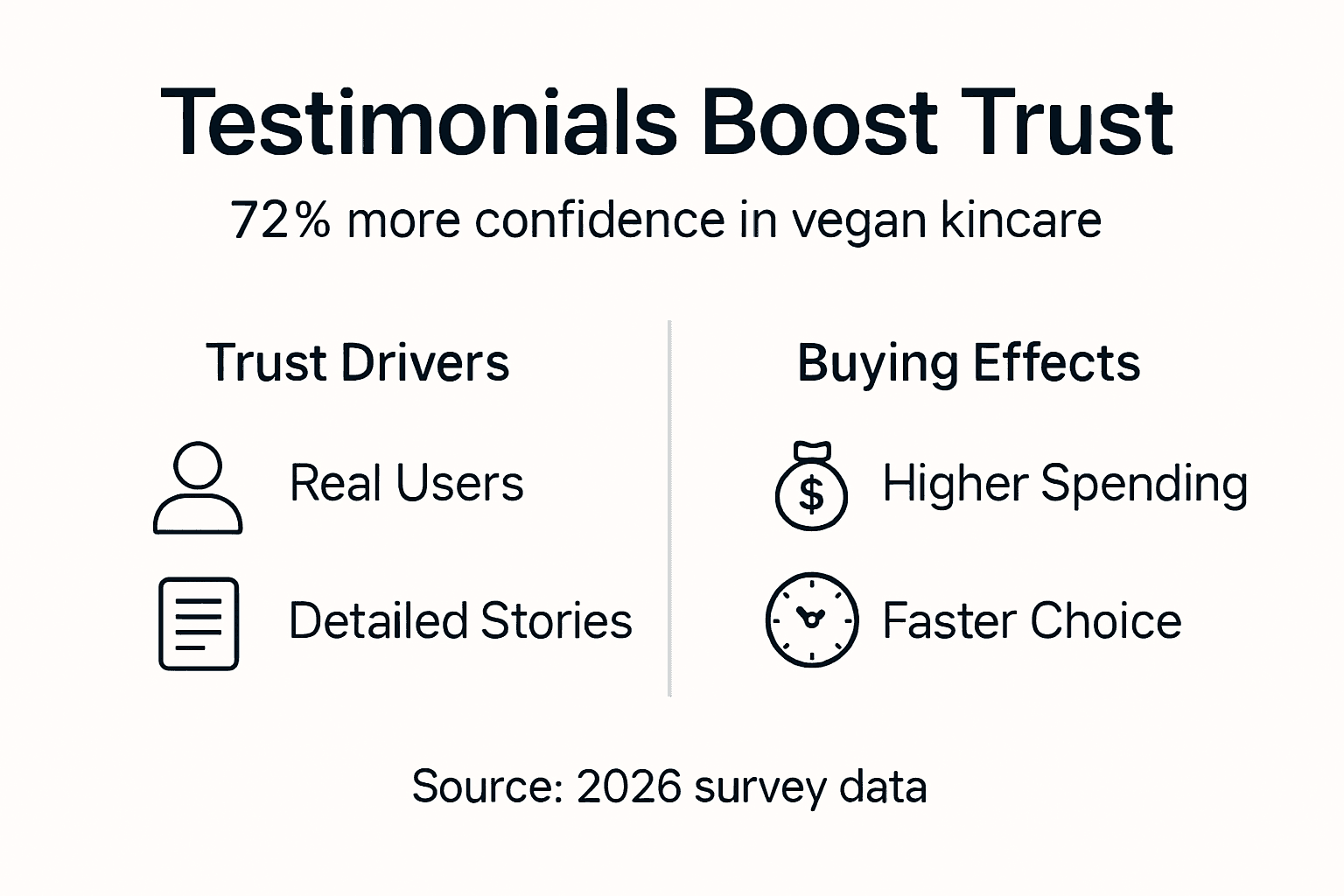
| Trust increase | 72% | Consumers report higher confidence after reading authentic testimonials |
| Conversion rate boost | 58% | Product pages with testimonials see improved purchase completion |
| Average spending increase | 31% | Shoppers spend more when testimonials validate premium natural products |
| Return rate reduction | 24% | Testimonials set accurate expectations, reducing product returns |
The 72% trust increase represents a significant shift in how consumers validate product claims. Before making purchases, 84% of vegan skincare buyers now read at least three testimonials to confirm that products align with their ethical standards and effectiveness expectations.

Conversion data shows that eco-friendly product pages featuring verified customer reviews experience dramatically higher completion rates. This occurs because testimonials answer unspoken questions about texture, scent, and compatibility with different skin types that product descriptions cannot fully address.
Spending patterns reveal another critical insight: consumers willingly pay premium prices for natural and vegan skincare when testimonials confirm superior quality. The 31% spending increase occurs specifically when reviews document long-term benefits and ingredient transparency that justify higher costs compared to conventional alternatives.
Statistic spotlight: The 72% trust boost demonstrates that authentic testimonials have become the single most influential factor in vegan skincare purchase decisions, surpassing both brand reputation and celebrity endorsements in consumer importance rankings for 2026.
Common Misconceptions About Testimonials in Beauty Products
Several widespread misunderstandings prevent consumers from accurately interpreting testimonial value. Recognizing these misconceptions protects shoppers from misleading information while helping them identify genuinely useful reviews.
- All testimonials represent unbiased customer experiences: Many reviews are incentivized through discounts, free products, or affiliate commissions that create inherent bias.
- Influencer endorsements equal authentic product validation: Sponsored content often prioritizes promotional requirements over honest assessment of product effectiveness.
- Professional photography in testimonials guarantees authenticity: High-quality visuals can be staged or manipulated, making them unreliable authenticity indicators.
- Negative reviews always indicate poor product quality: Some critical feedback stems from misuse, unrealistic expectations, or individual skin sensitivities rather than product defects.
- Volume of testimonials directly correlates with product superiority: Review quantity can be artificially inflated through incentive programs or review-farming services.
The reality behind testimonial authenticity requires deeper investigation. Research indicates that approximately 35% of online beauty reviews involve some form of incentive, from discount codes to free product samples. This doesn’t invalidate all incentivized feedback, but it necessitates critical evaluation.
Pro Tip: Cross-reference testimonial claims with ingredient lists and third-party certifications. If a review praises “chemical-free” formulations, verify actual ingredient transparency and vegan certification rather than accepting marketing language at face value.
“The 35% incentive rate in beauty testimonials means consumers must develop critical reading skills to distinguish genuine experiences from promotional content designed to drive sales rather than inform decisions.” — Consumer Protection Research, 2026
Influencer testimonials present particular challenges because sponsored content regulations allow paid partnerships while maintaining an authentic aesthetic. The line between genuine recommendation and paid advertisement has blurred, making independent verification essential.
Comparison of Testimonial Types: Text, Video, Influencer
Different testimonial formats offer distinct advantages and limitations for consumers evaluating vegan skincare products. Understanding these differences helps shoppers identify which review types provide the most reliable information.
| Format | Authenticity Score | Engagement Level | Detail Depth | Verification Ease |
|---|---|---|---|---|
| Text reviews | Moderate | Low to Moderate | High | Difficult |
| Video testimonials | High | Very High | Moderate | Moderate |
| Influencer posts | Low to Moderate | Very High | Low | Easy to identify bias |
| Before/after photos | High | High | Visual only | Moderate |
Text testimonials provide the deepest detail about application techniques, ingredient reactions, and long-term results. Customers can describe nuanced experiences like how a vegan moisturizer performs in different climates or under makeup. However, text lacks visual proof and faces higher rates of fraudulent posting.
Video testimonials demonstrate actual product texture, application, and immediate skin appearance. The format makes fabrication more difficult because viewers can observe genuine reactions and unscripted commentary. Studies show that video format testimonials generate 67% higher trust scores than text equivalents.
Key advantages by format:
- Text: Searchable, detailed application instructions, ingredient sensitivity documentation
- Video: Visual proof, authentic reactions, demonstration of product consistency and color
- Influencer: Wide reach, professional presentation, often includes comparison with alternatives
- Photo: Quick visual assessment, before/after documentation, skin tone representation
Influencer testimonials trade authenticity for production quality and reach. While they introduce products to larger audiences, the commercial relationship often compromises objectivity. Savvy consumers recognize that influencer content serves promotional purposes even when genuine product appreciation exists.
Consumer preferences in 2026 show a 43% increase in demand for user-generated video content over professionally produced influencer posts. This shift reflects growing awareness of sponsored content dynamics and desire for unfiltered peer experiences.
Expert Perspectives on Testimonial Authenticity and Scientific Validation
Dermatologists and skincare scientists emphasize that testimonials should complement rather than replace evidence-based product evaluation. While peer experiences provide valuable real-world context, they cannot substitute for ingredient analysis and clinical validation.
Skin health professionals recommend a balanced approach:
- Verify that testimonial claims align with known ingredient properties and mechanisms
- Check whether praised results match reasonable timelines for cellular turnover and skin regeneration
- Confirm that vegan and natural ingredients have research supporting their purported benefits
- Recognize that individual results vary based on skin type, environmental factors, and usage consistency
Scientific validation matters because testimonials reflect subjective experiences influenced by placebo effects, seasonal skin changes, and concurrent routine modifications. A customer attributing clearer skin to a new vegan cleanser might not account for improved sleep, dietary changes, or reduced stress during the same period.
Experts note that the most valuable testimonials include specific details about usage duration, application frequency, and skin type. These contextual factors help other consumers determine whether similar results are likely for their unique situations.
“Testimonials provide anecdotal evidence that should guide exploration, not replace due diligence. Combine peer experiences with ingredient transparency, patch testing, and gradual introduction to make informed skincare decisions that protect both skin health and ethical values.” — Board-Certified Dermatologist, Journal of Natural Skincare Research, 2026
The integration of testimonial insights with scientific literacy creates optimal decision-making frameworks. Consumers who understand both peer experiences and ingredient mechanisms make purchases aligned with their skin needs and ethical commitments.
Role of Testimonials in Supporting Small Businesses and Private Label Brands
Indie vegan skincare brands face significant challenges competing against established companies with large marketing budgets. Authentic testimonials level the playing field by providing credibility that small businesses cannot achieve through advertising alone.
Customer reviews serve multiple functions for emerging natural beauty brands:
- Building initial credibility when brand recognition is limited
- Providing detailed product education that small teams cannot create through content marketing
- Creating community trust through transparent customer dialogue
- Generating user-generated content for social proof across marketing channels
Small businesses leveraging private label skincare solutions particularly depend on early adopter testimonials to establish market presence. When entrepreneurs launch vegan product lines, initial customer feedback creates momentum that attracts broader audiences.
The testimonial advantage works both ways. Indie brands often cultivate closer customer relationships, resulting in more detailed and passionate reviews than generic feedback for mass-market products. This authenticity resonates with consumers seeking genuine connections with brands that share their values.
Customer acquisition costs decrease dramatically when testimonials drive organic discovery. Positive reviews generate word-of-mouth referrals and social media shares that amplify brand visibility without paid advertising. For bootstrapped vegan skincare startups, this organic growth proves essential for sustainability.
White label beauty entrepreneurs can use testimonials to differentiate similar products through brand story and customer experience rather than competing solely on formulation or price.
Practical Tips for Consumers and Entrepreneurs to Assess Testimonial Value
Developing critical evaluation skills helps both shoppers and business owners identify testimonials that provide genuine insight versus misleading information. These actionable steps improve decision-making quality.
- Verify reviewer identity through profile history, purchase verification badges, or linked social media accounts showing real people.
- Look for specific details about application method, usage duration, skin type, and environmental context that indicate genuine product experience.
- Check whether reviews mention both benefits and realistic limitations rather than offering only enthusiastic praise.
- Compare testimonial claims against ingredient properties and clinical research to ensure alignment with scientific evidence.
- Assess whether review timing seems organic or clustered suspiciously around product launches and promotional periods.
- Cross-reference testimonials across multiple platforms to identify consistent themes versus isolated opinions.
Pro Tip: The most trustworthy testimonials include unprompted details about product packaging, scent accuracy, texture compared to descriptions, and minor usage tips discovered through trial. These specifics are difficult to fabricate and signal genuine customer experience.
For entrepreneurs building testimonial strategies, authenticity should override volume. Five detailed, verified reviews from real customers provide more value than fifty generic statements. Encourage customers to share comprehensive experiences by asking specific questions about application, results timeline, and how products fit into existing routines.
Transparency about testimonial collection methods builds trust. Disclose whether reviews were incentivized, and ensure that discount offers don’t require positive feedback. The Federal Trade Commission requires clear disclosure of material connections between brands and reviewers, making compliance both ethical and legally necessary.
Consumers should remain skeptical of perfect five-star ratings across all reviews. Legitimate products receive mixed feedback reflecting diverse skin types, preferences, and expectations. A product with 4.3 stars and detailed varied feedback often proves more trustworthy than one with uniform perfect scores.
Explore Authentic Natural and Vegan Skincare at Didis Beauty Center
Now that you understand how to evaluate testimonials effectively, put these insights into practice. Didis Beauty Center offers transparently formulated vegan skincare backed by genuine customer experiences that reflect real results.
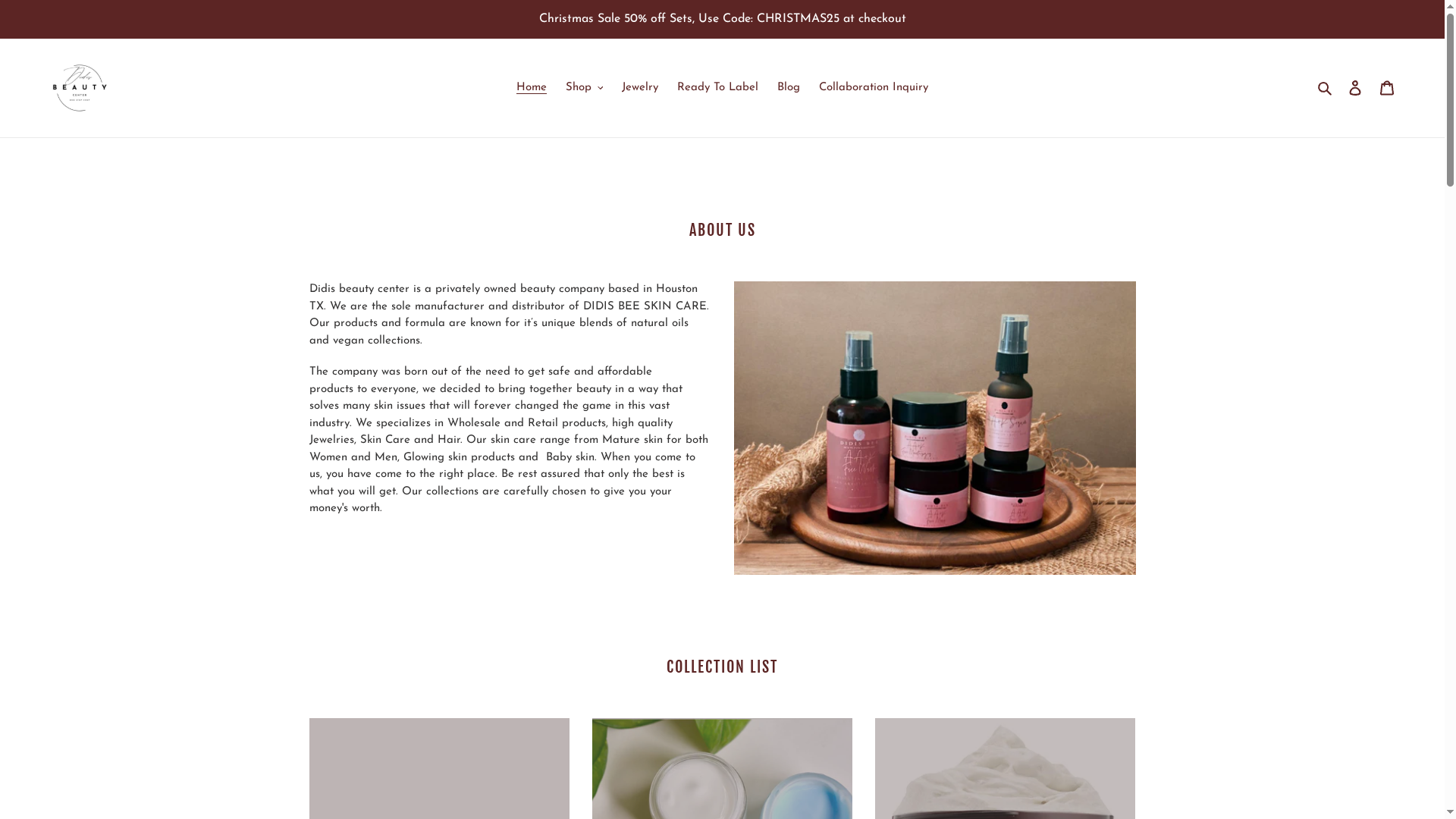
Our collection features natural products with detailed ingredient transparency and authentic testimonials from customers who share your commitment to ethical beauty. Explore the benefits of natural skincare through formulations designed for effectiveness and environmental responsibility.
Discover how vegan skincare approaches deliver visible results without compromising your values. Each product page includes verified customer reviews detailing application experiences, skin type compatibility, and timeline expectations. For entrepreneurs, our private label skincare solutions provide quality formulations you can confidently bring to market with your own brand story.
Frequently Asked Questions About Testimonials in Vegan Skincare
How can I tell if a vegan skincare testimonial is genuine?
Authentic testimonials include specific details about texture, scent, application method, and realistic timelines for visible results. Look for verified purchase badges, reviewer profile history, and mentions of both benefits and minor limitations. Generic praise without context or perfect scores across all reviews often signals inauthentic feedback.
Are influencer testimonials reliable for vegan products?
Influencer testimonials require careful evaluation because most represent paid partnerships. While some influencers genuinely use and appreciate products, commercial relationships create inherent bias. Cross-reference influencer claims with verified customer reviews and ingredient research to validate effectiveness beyond promotional content.
What should I do if I suspect greenwashing?
Verify vegan and cruelty-free claims through independent certifications like Leaping Bunny or Vegan Society rather than relying solely on brand statements. Check ingredient lists for hidden animal derivatives and research parent company practices. Genuine testimonials often mention specific certifications and ingredient transparency as purchase motivators.
Do video testimonials guarantee product effectiveness?
Video format increases authenticity likelihood but doesn’t guarantee results will replicate for all users. Skin type, environmental factors, and individual biology create variable outcomes. Use video testimonials to assess product texture and immediate appearance, then verify ingredient mechanisms through scientific sources before expecting identical results.
Discourse (0)