


TL;DR:
- Plant-based skincare demand is rapidly increasing, influencing industry innovation and consumer choices.
- Eco-friendly formats like upcycled, waterless, and biotech ingredients reduce environmental impact.
- Consumers prioritize verified sustainability, transparency, and proven ingredients for effective, ethical skincare.
The “clean beauty” aisle has never looked more crowded, and that’s both exciting and exhausting. Every month brings a new hero ingredient, a buzzier certification, or a format you’ve never heard of. Yet beneath all that noise, something real is happening. Plant-based skincare demand is growing fast, driven by consumers who want products that match their values on sustainability, animal welfare, and skin health. If you’ve been wondering which trends are worth your attention and which are just clever marketing, this guide breaks it all down clearly.
Table of Contents
- Why skincare trends matter in 2025
- eco-innovation: upcycled, waterless, and biotech skincare
- What conscious consumers want from skincare in 2025
- trends vs. longevity: proven ingredients and greenwashing risk
- What most skincare guides miss about trends and real results
- Ready to level up with natural, certified skincare?
- frequently asked questions
Key Takeaways
| Point | Details |
|---|---|
| Trends drive clean choices | Skincare trends in 2025 are fueling demand for natural, vegan, and cruelty-free products. |
| Sustainability is essential | Eco-friendly innovations like upcycling and waterless products are changing the industry. |
| Certifications build trust | Verified certifications and transparency help consumers avoid greenwashing. |
| Proven ingredients matter | Effective, science-backed actives like peptides and ceramides offer long-term skin benefits. |
Why skincare trends matter in 2025
Trends aren’t just Instagram fodder. In skincare, they reflect real shifts in what people expect from the products they use every day. And right now, those expectations are changing faster than ever before.
The plant-based skincare market is projected to grow from $14.34 billion in 2025 to over $23 billion by 2030. That kind of growth doesn’t happen by accident. It’s the direct result of millions of consumers actively choosing products that are kinder to the planet and to animals. When demand shifts that dramatically, brands follow. New ingredients get funded, new formats hit shelves, and the whole industry recalibrates.
For you as a conscious consumer, this matters because trends determine what gets researched, developed, and made available. An eco-conscious beauty routine built around certified vegan and natural products is no longer a niche choice. It’s becoming the standard.
But trends also create confusion. Not every “natural” product is actually clean. Not every “vegan” label is verified. That’s why understanding what’s driving the market helps you filter the noise.
“By 2025, 78% of people want certified vegan or cruelty-free products.”
And 68% seek clean labels before buying, which tells you that transparency has become a non-negotiable, not a nice-to-have. The impact of sustainable beauty now reaches far beyond niche wellness circles.
Here’s why conscious shoppers follow skincare trends:
- To discover ingredients with newer clinical support
- To find formats that reduce packaging waste
- To align purchases with personal values like cruelty-free and vegan
- To stay ahead of harmful or outdated ingredients being phased out
- To support brands that practice real transparency
Now that we’ve established the importance of skincare trends, let’s dig into the cutting-edge mechanics driving this transformation.
eco-innovation: upcycled, waterless, and biotech skincare
Some of the most exciting developments in 2025 skincare aren’t about a single ingredient. They’re about rethinking what a product even is and how it gets made.
80% of brands are adopting sustainability through upcycled ingredients and waterless or solid formats. That’s a massive industry pivot, and it means you have more ethical options than ever before.
Upcycled skincare takes what would otherwise be food waste, think fruit seeds, grape pomace, coffee grounds, and extracts the beneficial compounds for use in formulas. It’s smart chemistry and genuinely reduces agricultural waste. You get active ingredients that work, and the planet gets less landfill pressure.
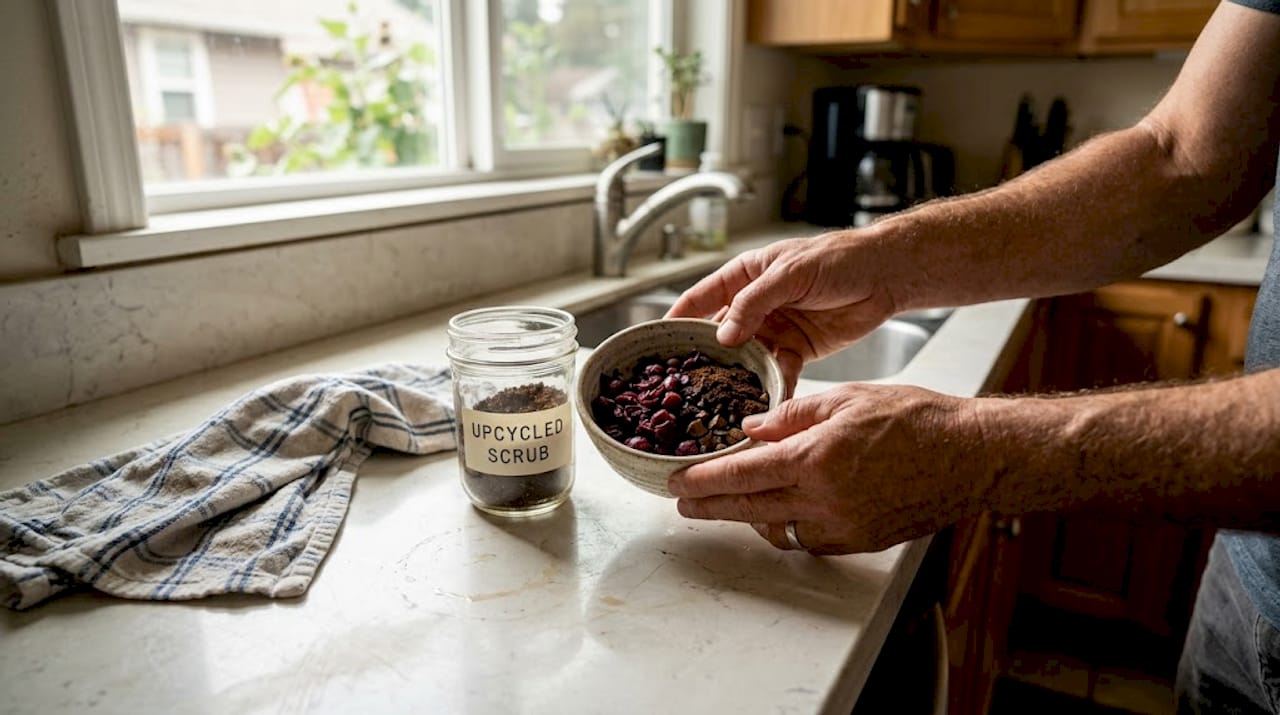
Waterless and solid products go a step further. Water is eliminated in solid products by up to 80%, which also means smaller packaging, lower shipping weight, and a significantly reduced carbon footprint. Think solid cleansing bars, anhydrous serums, and concentrated face masks that you activate with water at home. Understanding eco-friendly packaging benefits makes it easier to choose these formats confidently.
Biotech-derived actives are the third pillar. Plant-based collagen, fermented botanicals, and lab-grown squalane deliver high-performance results without harvesting from animals or ecosystems. For more context on how sustainable beauty works at a formulation level, it’s worth exploring the science behind these choices.
| Format | Key benefit | Watch for** ** |
|---|---|---|
| upcycled | reduces food waste, delivers actives | vague sourcing claims, unverified suppliers |
| waterless/solid | cuts waste, longer shelf life | synthetic preservative swaps |
| biotech actives | consistent potency, cruelty-free | lack of third-party testing |
Environmental benefits of these innovations include:
- Less agricultural land use per active ingredient
- Lower water consumption in manufacturing
- Less plastic packaging overall
- A smaller carbon footprint across the supply chain
Pro tip: Look for products with credible third-party eco certifications, like EWG-verified or B Corp, to make sure sustainability claims hold up. Self-declared labels are easy to print; earned certifications are not.
With a clear view of what’s driving product innovation, it’s important to understand what real consumers want and demand.
What conscious consumers want from skincare in 2025
The numbers behind consumer behavior in 2025 are striking. People aren’t just casually preferring natural products anymore. They’re actively researching, verifying, and demanding accountability from brands.
68% of consumers seek clean skincare, 59% want natural or organic products, and 78% prioritize vegan or cruelty-free options. And the financial stakes are real: the sustainable beauty market is tracking toward $433 billion by 2034.
“sustainable beauty could be a $433B market by 2034.”
That’s not a niche. That’s the future of the entire industry.
| Priority | mainstream consumers | eco/vegan consumers** ** |
|---|---|---|
| Price | very high | moderate |
| certifications | low to moderate | very high |
| ingredient transparency | low | very high |
| cruelty-free status | low | essential |
| packaging sustainability | moderate | very high |
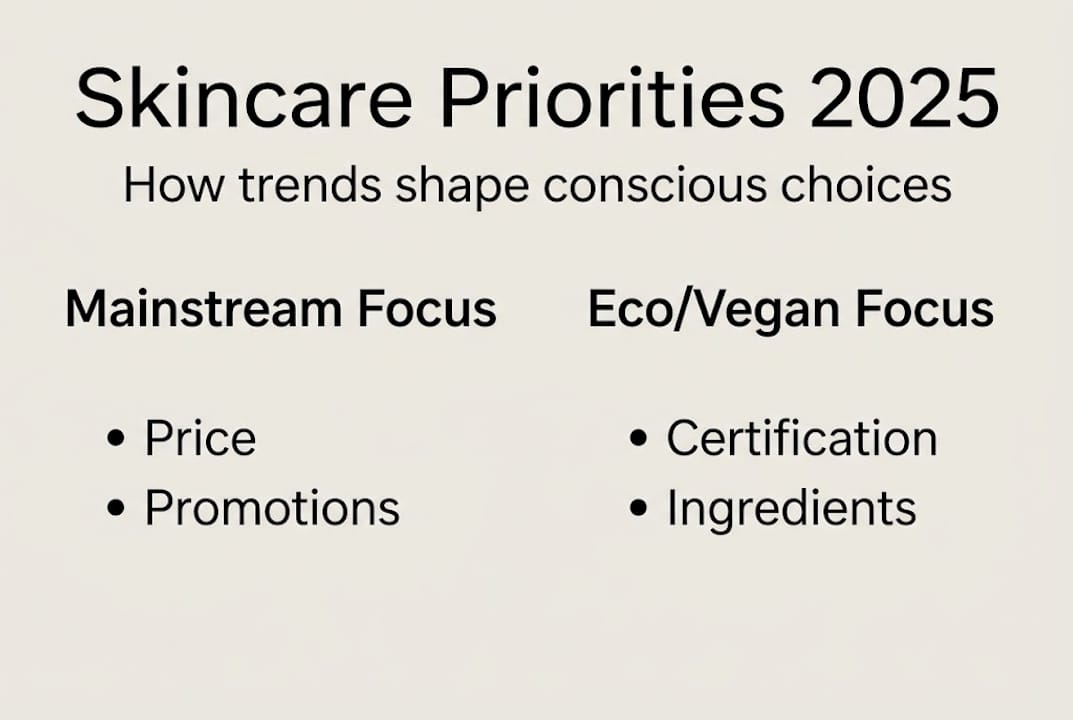
Following a step-by-step eco-conscious beauty guide helps you move from curiosity to confident purchasing. And using an eco-friendly beauty checklist when evaluating brands cuts through misleading marketing fast.
Here are three steps to verify product claims and avoid greenwashing:
- Check the certification body. Third-party organizations like the vegan society or leaping bunny are harder to fake than a brand-designed logo.
- Read the full ingredient list. Not just the front-label claims. If “natural” is the pitch, every ingredient should be traceable.
- Look for brand-level transparency. Annual sustainability reports, sourcing disclosures, and visible cruelty-free policies all signal that a brand is accountable.
Armed with knowledge of both trends and consumer demand, let’s explore which ingredients work and which might just be hype.
trends vs. longevity: proven ingredients and greenwashing risk
Not every trending ingredient deserves a spot in your routine. The skincare world moves fast, and the marketing machine often runs faster than the clinical research does.
longevity ingredients like peptides or ceramides show real, lasting growth precisely because the science behind them is solid. They’re not trend-driven. They’re result-driven.
Ingredients with strong clinical backing include:
- peptides: signal skin cells to produce more collagen, with decades of supporting research
- ceramides: restore and reinforce the skin barrier, well-studied across skin types
- niacinamide: reduces pigmentation, controls oil, and supports the skin barrier
- hyaluronic acid: delivers reliable hydration with extensive dermatological evidence
- bakuchiol: plant-based retinol alternative with growing clinical support
Meanwhile, brands are smartly pivoting from the phrase “anti-aging” toward “skin longevity.” That shift isn’t just semantic. It reflects a more honest and skin longevity-focused way of thinking about how skin health works over time. You’re not reversing a clock. You’re investing in your skin’s long-term function.
Greenwashing is the dark side of trend culture. When certifications build trust and transparency becomes expected, brands that skip those steps tend to compensate with louder marketing. Watch for vague terms like “all-natural,” “eco-friendly,” or “green” without any third-party verification behind them. Understanding what defining sustainable beauty actually means helps you spot these gaps quickly.
Pro tip: Before adding a new product to your routine, search for the ingredient name alongside “clinical study” or “dermatologist review.” If you only find brand blogs, that’s a red flag worth noting.
To tie together the lessons from these new trends, here’s a perspective on what actually works in real-world routines.
What most skincare guides miss about trends and real results
Most skincare guides tell you what’s trending. Very few tell you how to think about trends at all.
Here’s what we’ve seen: the consumers who get the best results from natural, vegan skincare aren’t the ones who chase every new launch. They’re the ones who build a short, certified, intentional routine and then stick with it long enough to actually see results. That’s a harder sell than a shiny new ingredient, but it’s the truth.
Trends can genuinely empower you. They surface better ingredients, cleaner formulas, and more accountable brands. But they can also overwhelm and mislead if you don’t know how to evaluate what you’re reading. The real impact of sustainable beauty choices shows up over months of consistent use, not after one application of a buzzed-about serum.
Our honest advice: start with one or two certified changes, whether that’s switching to a verified vegan cleanser or choosing a waterless formula over a conventional one. Track what changes for your skin. Build from there. Don’t let trend fatigue convince you that nothing works. The right things, done consistently, always do.
Ready to level up with natural, certified skincare?
Knowing how to evaluate trends is only half the journey. The other half is finding products that genuinely live up to their labels. At didis beauty center, every product in our lineup is built with natural, vegan formulations and designed to meet the standards that eco-conscious shoppers now expect.
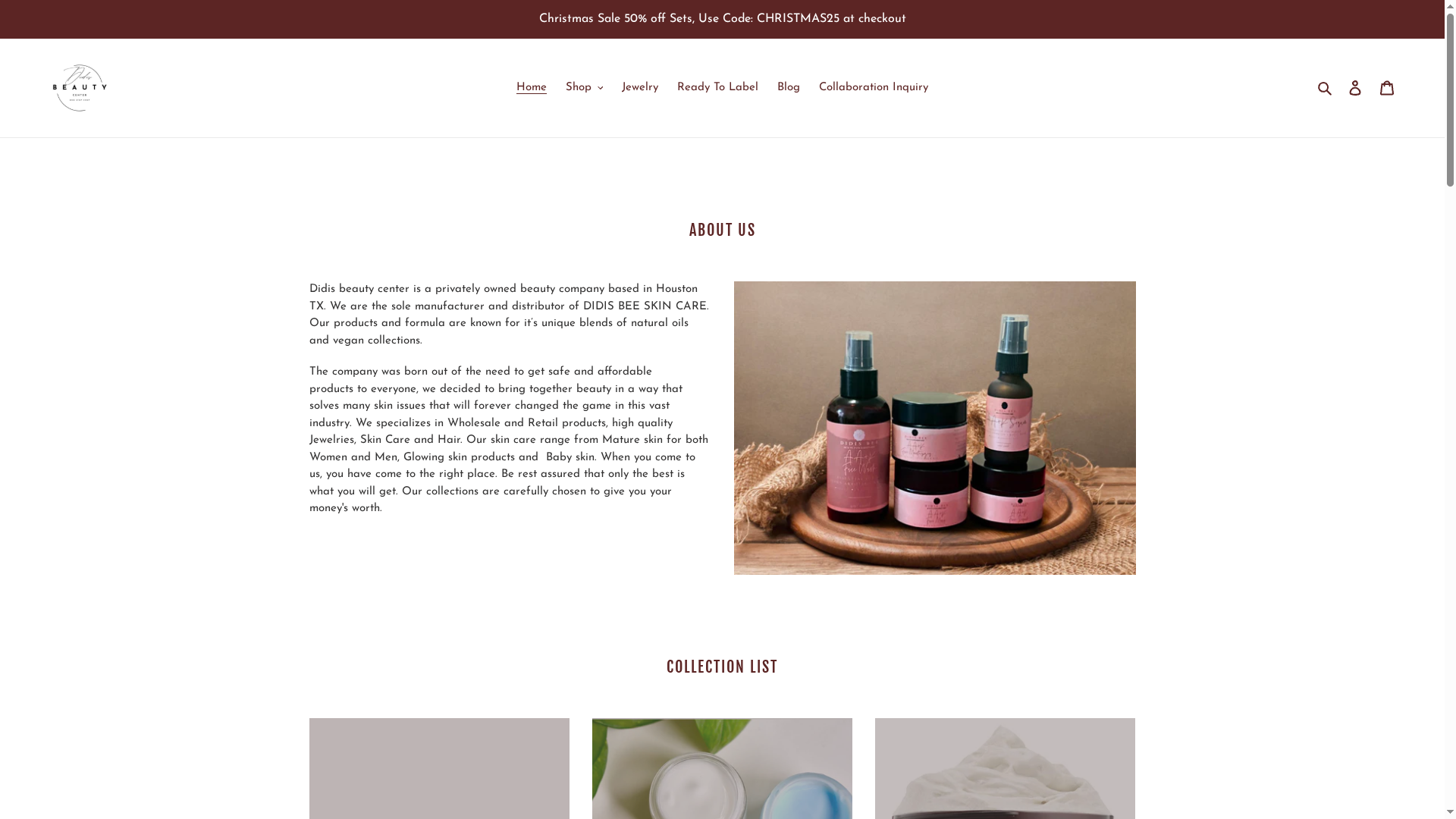
If you’re ready to simplify your routine without compromising on ethics or results, our all-in-one Daily Essential Bundle is a great place to start. It brings together certified, clean formulas designed for real, daily use. For entrepreneurs and small business owners who want to offer trusted, cruelty-free products under their own brand, our private label cruelty-free options make it simple to launch with confidence. Your values deserve a product line that matches them.
frequently asked questions
How can I tell if a skincare product is truly vegan and cruelty-free?
Look for credible third-party certifications like the vegan society or leaping bunny, since 78% of consumers now specifically seek verified vegan or cruelty-free products. Always check for brand-level sourcing transparency beyond the front-label claim.
Why are upcycled and waterless products trending in 2025 skincare?
Upcycled and waterless products reduce waste and save resources, directly addressing consumer demand for planet-friendly beauty. solid formats eliminate up to 80% of water, cutting packaging waste and carbon footprint significantly.
What ingredients actually work in natural or vegan skincare?
Clinically supported actives like peptides and ceramides are widely backed by dermatological research for improving skin health and long-term barrier function. These aren’t passing trends; they’re foundational.
How do I avoid greenwashing when buying skincare products?
Always verify third-party certifications, check for published clinical evidence, and review a brand’s full ingredient and sustainability disclosures. As certification builds consumer trust, brands that skip it tend to rely on vague marketing language instead.
Discourse (0)