


TL;DR:
- Skin-friendly toners should have balanced pH, gentle ingredients, and cruelty-free plant sources.
- Popular plant-based toners include rosewater, witch hazel, aloe vera, green tea, and chamomile.
- Effective toners support skin barrier health, improve absorption, and align with sustainability goals.
Choosing the right toner feels simple until you’re standing in front of dozens of options, each promising clearer, softer, more radiant skin. The real challenge is knowing which benefits are backed by real results and which are just clever marketing. pH balance, plant-based ingredients, cruelty-free sourcing, and skin barrier support all sound important, but how do you know what actually matters for your skin? This article walks you through the key criteria for picking a skin-friendly toner, the best plant-based types available, how they interact with your skin biology, and a practical comparison to help you decide which one fits your routine.
Table of Contents
- What makes a toner truly skin-friendly?
- Top plant-based and vegan skin-friendly toner types
- How skin-friendly toners support your skin barrier and health
- Comparing popular skin-friendly toners: Which is right for you?
- Our take: Evidence or marketing—what matters most in toner choice?
- Shop skin-friendly toners and vegan skincare essentials
- Frequently asked questions
Key Takeaways
| Point | Details |
|---|---|
| Balance matters | A good skin-friendly toner maintains pH and strengthens the skin barrier. |
| Opt for plant-derived | Plant-based, vegan toners offer safety and are gentle even for sensitive skin. |
| Evidence beats marketing | Focus on proven ingredients, not buzzwords, when choosing your toner. |
| Sustainability counts | Vegan toners support both skin health and environmental responsibility. |
What makes a toner truly skin-friendly?
Not every bottle labeled “natural” or “gentle” earns that title. A genuinely skin-friendly toner meets specific standards around pH, ingredient quality, sourcing ethics, and real-world performance. Understanding these criteria helps you cut through the noise and invest in products that actually support your skin.
Here are the core qualities to look for:
- Balanced pH (4.5 to 5.5): Your skin’s surface is naturally slightly acidic. A toner within this range helps maintain that balance after cleansing.
- Gentle, non-stripping formula: Avoid toners with high concentrations of alcohol, synthetic fragrance, or harsh astringents that disrupt your skin barrier.
- Humectants and antioxidants: Ingredients like glycerin, hyaluronic acid, and green tea extract attract moisture and fight environmental damage.
- Vegan and cruelty-free sourcing: Plant-derived ingredients sourced without animal testing align with both ethical and sustainability goals.
- Short, readable ingredient list: Fewer mystery ingredients means fewer chances for irritation.
As toner benefits and how to choose explains, toners serve multiple roles in a routine, from prepping skin for the next step to reinforcing the barrier. The key is matching those roles to your actual skin needs.
One important caveat: the science around pH-balanced skincare science is real, but marketing claims sometimes stretch beyond what clinical studies actually support. Toners restore pH, improve absorption, and support barrier function, and vegan options align well with sustainability goals. However, not every pH claim on a label reflects rigorous testing.
Pro Tip: Flip the bottle and read the first five ingredients. Those make up the bulk of the formula. If you see alcohol denat or synthetic fragrance in the top five, keep looking.
Vegan toners specifically rely on plant-derived actives rather than animal byproducts like collagen or beeswax. This matters for both ethical reasons and skin compatibility. Plant-based ingredients tend to be gentler on reactive skin, and their sourcing footprint is generally smaller.
Top plant-based and vegan skin-friendly toner types
Now that you know the criteria, let’s explore leading types of plant-based and vegan toners. Each has a distinct profile, and knowing what sets them apart helps you pick the one that fits your skin goals.
Witch hazel is one of the most recognized natural toners. It clarifies pores and controls excess oil without relying on synthetic astringents. Alcohol-free versions are available and work well for oily or combination skin without over-drying.
Rosewater is a classic for a reason. It soothes, lightly hydrates, and has natural anti-inflammatory properties that calm redness and irritation. It suits nearly every skin type and is especially popular for sensitive or dry skin.
Aloe vera toners deliver deep, gentle hydration. Aloe is one of the most studied plant ingredients for skin, known for supporting the skin barrier and reducing transepidermal water loss. It works well as a daily toner for anyone dealing with dryness or mild sensitivity.
Green tea extract brings powerful antioxidant activity. It calms redness, neutralizes free radicals from pollution and UV exposure, and has a low environmental footprint since green tea is widely and sustainably farmed.

Chamomile and cucumber toners are ideal for reactive or easily irritated skin. Both ingredients have well-documented soothing properties and are among the least likely to trigger reactions.
Here is a quick look at the key benefits of each:
- Witch hazel: clarifies, controls oil, minimizes pore appearance
- Rosewater: soothes, hydrates, reduces redness
- Aloe vera: deeply hydrates, supports barrier, calms irritation
- Green tea: antioxidant protection, calms inflammation
- Chamomile and cucumber: ultra-gentle, ideal for sensitive or reactive skin
All of these are cruelty-free, plant-sourced, and low in toxicity. Plant-derived toners are safe, non-toxic, and studies confirm moisturizing and irritation-reducing effects across multiple herbal formulations.
Pro Tip: If you have reactive skin, patch test any new toner on the inside of your wrist for 24 hours before applying it to your face. Even gentle botanicals can occasionally trigger a reaction in highly sensitive individuals.
For a deeper look at what goes into these formulas, natural toner ingredients covers the science behind plant actives and their skin benefits. You can also browse best cruelty-free toners for curated product recommendations that meet these standards.
How skin-friendly toners support your skin barrier and health
To see why these toners matter, let’s break down how they actually interact with your skin’s biology. The skin barrier is your first line of defense against moisture loss, bacteria, and environmental stressors. Keeping it intact is one of the most important things you can do for long-term skin health.
After cleansing, your skin’s surface pH temporarily rises, which can weaken the barrier and increase sensitivity. A well-formulated toner helps bring that pH back into the ideal range of 4.5 to 5.5. This matters because beneficial skin bacteria and key enzymes in the outer skin layer function best in that slightly acidic environment.
Here is how different toner ingredients support your skin at a biological level:
| Ingredient type | Primary function | Best for |
|---|---|---|
| Humectants (glycerin, aloe) | Attract and retain moisture | Dry, dehydrated skin |
| Antioxidants (green tea, vitamin C) | Neutralize free radicals | Aging, pollution-exposed skin |
| Anti-inflammatories (chamomile, rosewater) | Calm redness and irritation | Sensitive, reactive skin |
| Astringents (alcohol-free witch hazel) | Minimize pore appearance | Oily, combination skin |
Beyond pH, toners also prime the skin for better absorption of what comes next. Toners restore pH and can increase absorption by up to 10x, meaning your serum and moisturizer work harder when applied to toned skin. That is a significant efficiency gain for your entire routine.
“A toner is not just a finishing step after cleansing. It is the foundation that determines how well everything else in your routine performs.”
Herbal and plant-based toners consistently outperform alcohol-heavy alternatives for sensitive skin. Alcohol-based toners can disrupt the lipid layer that holds your barrier together, leading to dryness, tightness, and increased reactivity over time. For more on this, natural toner benefits breaks down the role toners play across different skin types. And if you want practical application guidance, using facial toners naturally covers the best techniques for getting the most out of your product.
Comparing popular skin-friendly toners: Which is right for you?
With the basics covered, let’s compare these options and find out which is best for different situations. The right toner depends on your skin type, your primary concern, and how much you value sustainability in your buying decisions.
| Toner type | Skin type | Primary benefit | Sustainability profile |
|---|---|---|---|
| Rosewater | All, especially dry/sensitive | Soothing, light hydration | High (widely grown, minimal processing) |
| Witch hazel | Oily, combination | Clarifying, pore control | High (alcohol-free versions preferred) |
| Aloe vera | Dry, sensitive | Deep hydration, barrier support | High (fast-growing plant) |
| Green tea | All, especially aging | Antioxidant, calming | High (sustainable farming) |
| Chamomile/cucumber | Sensitive, reactive | Ultra-gentle soothing | High (both low-impact crops) |
To narrow down your choice, work through these steps:
- Identify your primary skin concern. Is it oiliness, dryness, redness, or early signs of aging? Match your concern to the toner type that directly addresses it.
- Consider your skin’s reactivity. If you flush easily or react to new products, start with chamomile, cucumber, or rosewater.
- Check your existing routine. If you already use a serum with active ingredients like niacinamide or retinol, choose a toner that hydrates and soothes rather than one with strong actives.
- Evaluate your sustainability priorities. All plant-based options score well here, but look for brands that also use eco-conscious packaging.
- Ask whether you need a toner at all. Toners are optional if cleansing and actives are in place, but they add real value in the form of hydration, antioxidant support, and improved product absorption.
Pro Tip: If you are new to toners, start with rosewater. It is gentle enough for all skin types, affordable, and widely available in clean, vegan formulations. You can always layer in a more targeted option once you know how your skin responds.
For a broader guide on matching products to your needs, how to choose a toner offers a practical framework that works for beginners and experienced skincare users alike.
Our take: Evidence or marketing—what matters most in toner choice?
Having compared the major options, let’s dig into what really matters when choosing a toner. Here is our honest take: the skincare industry has a habit of turning real science into overblown marketing language, and toners are not immune to this.
The phrase “pH-balancing” appears on almost every toner label, but pH balancing claims may be overblown and clinical evidence remains limited for many botanical-only formulas. That does not mean toners are useless. It means you should not pay a premium based on vague pH promises alone.
What we look for instead: short ingredient lists with proven humectants like glycerin or aloe, antioxidants with real research behind them like green tea or vitamin C, and clear cruelty-free and vegan certification. Performance, safety, and sustainability are the three filters that matter. Buzzwords are not.
The science of pH-balanced skincare is worth understanding, but use it as a baseline, not a buying trigger. A toner with five clean, effective ingredients will outperform a “clinically pH-optimized” formula with a long list of fillers every time. Trust transparency over terminology.
Shop skin-friendly toners and vegan skincare essentials
Ready to put these tips into action? Here’s how to upgrade your routine with products that actually deliver on the natural, vegan promise.
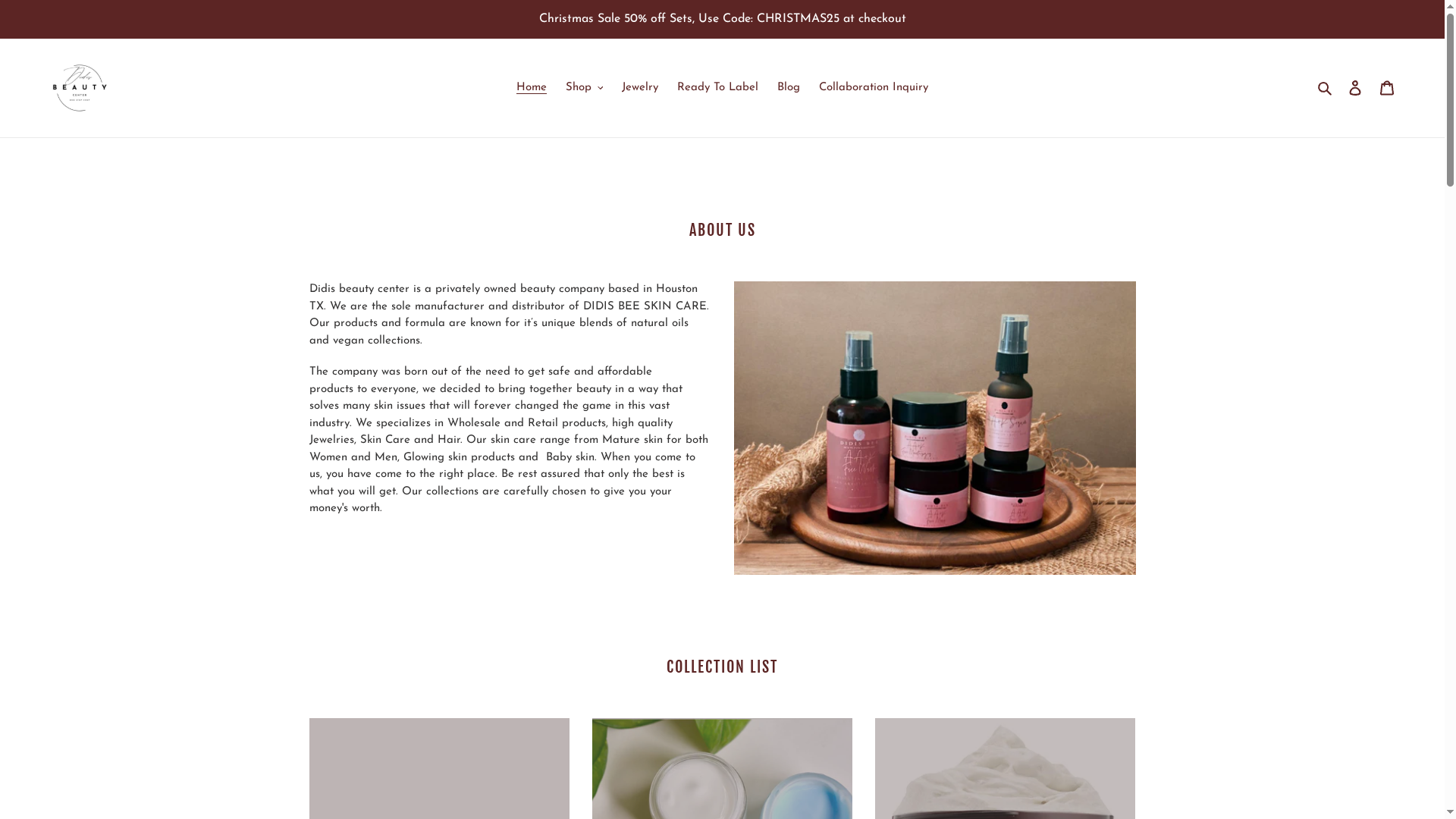
At Didis Beauty Center, we have curated vegan and cruelty-free skincare essentials that match the standards covered in this article. Whether you are building a routine from scratch or upgrading specific steps, our Daily Essential Bundle gives you a clean, plant-based foundation that covers your skin’s core needs. For a fuller routine with toner, cleanser, and moisturizer in one package, the Daily Routine Bundle is a practical, sustainable choice. Every product is formulated with ingredient transparency and skin health in mind, because your skin deserves honesty, not hype.
Frequently asked questions
What pH should a skin-friendly toner have?
A pH between 4.5 and 5.5 is ideal for most skin types, as it closely matches your skin’s natural surface acidity and helps maintain a healthy barrier.
Are plant-based toners better for sensitive skin?
Herbal toners reduce irritation and are more stable and moisturizing than synthetic or alcohol-based alternatives, making them a strong choice for sensitive or reactive skin.
Do I need a toner if I already use a cleanser and moisturizer?
A toner is optional if your routine already includes a gentle cleanser and active ingredients, but it can meaningfully add hydration, antioxidant support, and better absorption for the steps that follow.
Are vegan toners really more sustainable?
Vegan toners rely on plant-derived, cruelty-free ingredients that generally have a lower environmental impact, making them a better fit for anyone prioritizing sustainable beauty choices.
Discourse (0)