


TL;DR:
- Proper facial cleansing involves choosing a gentle, skin-type-specific soap and applying it with correct technique to preserve the skin barrier. Common mistakes like hot water, aggressive scrubbing, and reusing towels hinder skin health and should be avoided. Regular, twice-daily use of lukewarm water and fingertips with proper drying and moisturizing optimize skin condition.
Effective facial cleansing, the practice dermatologists call proper skin barrier care, means choosing a gentle cleanser matched to your skin type and applying it with the right technique, water temperature, and drying method. Most people focus entirely on which product to buy and ignore the how. Dr. Kathryn Anderson and the Cleveland Clinic both confirm that technique and product choice contribute equally to skin health outcomes. This guide covers how to use face soap effectively, from selecting the right formula to the exact steps that protect your skin barrier every single wash.
How to choose the right face soap for your skin type
The single biggest mistake people make before they even touch their face is reaching for the wrong cleanser. Facial skin is more irritation-prone than body skin, and body soaps are often too harsh for delicate facial tissue. A body bar formulated for the torso can strip the face’s thinner, more reactive skin layer in a single wash.
What ingredients to look for
Effective face soaps contain humectants like glycerin and hyaluronic acid, which draw moisture into the skin. Emollients such as shea butter and jojoba oil soften and smooth the skin surface. Occlusives like beeswax or petrolatum seal that moisture in. Look for these on the ingredient label before anything else.
Ingredients to avoid are just as telling. SLS, fragrances, and parabens can exacerbate eczema, dryness, and contact dermatitis, especially in sensitive skin types. This means a soap that smells luxurious in the store may be actively irritating your skin at home.
Matching soap to skin type
| Skin Type | Best Soap Format | Key Ingredients to Prioritize |
|---|---|---|
| Dry | Cream or oil-based bar | Shea butter, glycerin, ceramides |
| Oily | Gel or foaming liquid | Salicylic acid, niacinamide, clay |
| Sensitive | Fragrance-free gentle bar | Aloe vera, oat extract, no SLS |
| Acne-prone | Medicated liquid cleanser | Benzoyl peroxide, salicylic acid |
| Normal | Balanced bar or liquid | Glycerin, mild surfactants |
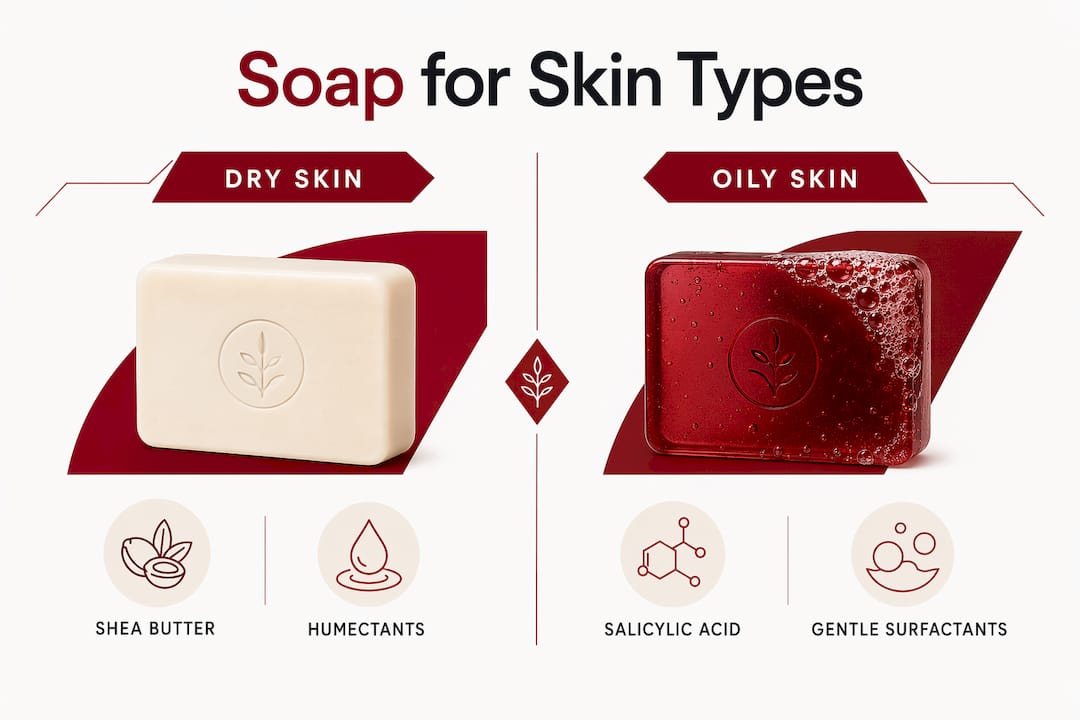
Bar soaps and liquid cleansers both work, but liquid formulas tend to have more controlled pH levels and are easier to formulate without harsh surfactants. For a deeper look at how natural face soaps compare across skin types, the science behind ingredient selection matters more than marketing claims.
Pro Tip: Flip any soap over and read the first five ingredients. If a sulfate or synthetic fragrance appears before glycerin or a plant oil, put it back on the shelf.
How to use face soap effectively: the step-by-step method
The correct technique takes under two minutes and makes a measurable difference in how your skin looks and feels over time. Follow these steps every time you cleanse.
-
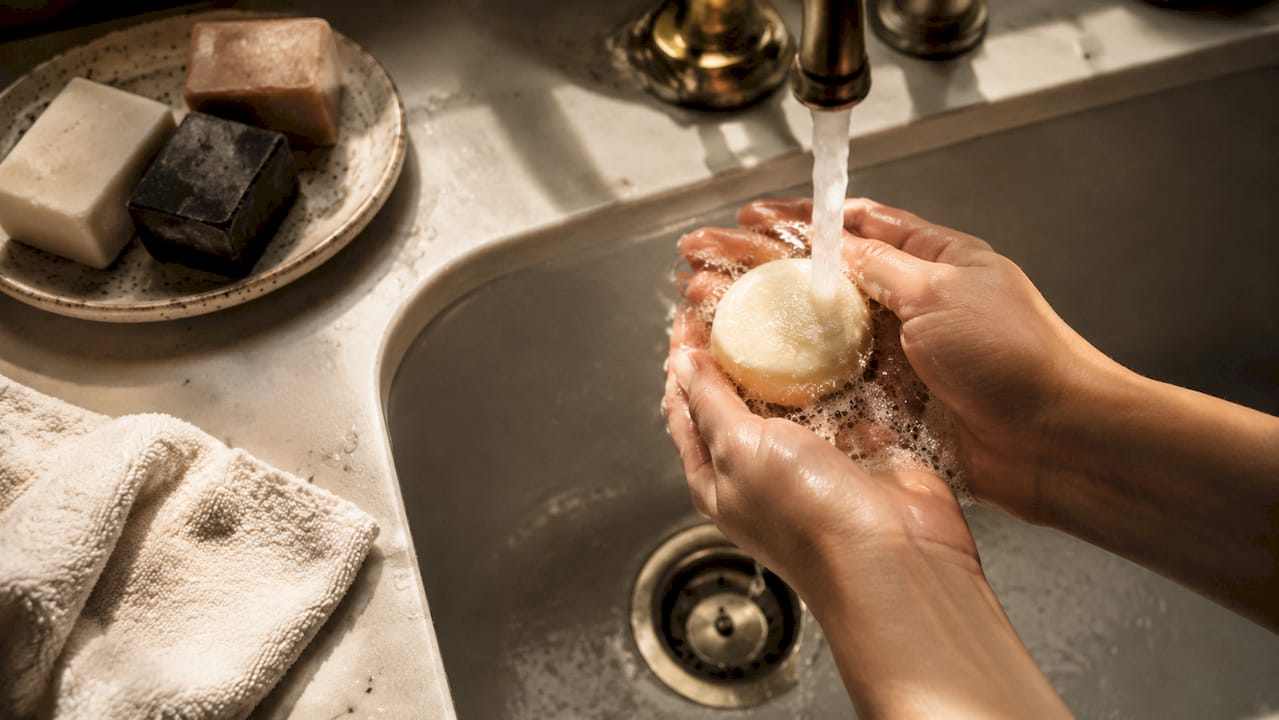
Wet your face with lukewarm water. Hot water strips the skin barrier and causes dryness and redness. Cold water does not open pores the way the myth suggests. Lukewarm is the only temperature that cleanses without triggering irritation.
-
Dispense a dime-sized amount of cleanser onto your fingertips. Avoid washcloths, silicone scrubbers, or cleansing brushes for daily use. These tools add friction that disrupts the skin barrier, especially when used with soap.
-
Apply the soap to your face using small, gentle circular motions. Work outward from the center of your face. Spend about 30 seconds on each zone: forehead, nose, cheeks, and chin. Gentle pressure is enough. Scrubbing harder does not remove more dirt.
-
Let medicated cleansers sit for 1 to 2 minutes before rinsing. Medicated cleansers containing acids need contact time to work. Standard non-medicated soaps should be rinsed off without delay to prevent over-stripping.
-
Rinse thoroughly with lukewarm water. Residual soap left on the skin is a common cause of dryness and clogged pores. Run water over your face until the skin feels completely clean, not tight.
-
Pat your face dry with a clean cotton towel. Applying cleanser with fingers and patting dry is the gentler approach that preserves the skin barrier. Never rub. Rubbing creates micro-friction that weakens the barrier over time.
-
Apply moisturizer within 60 seconds of drying. Damp skin absorbs moisturizer more effectively. This step locks in the hydration your cleanser preserved.
Pro Tip: Keep a dedicated face towel separate from your body towel and wash it every two to three days. A clean towel for drying prevents bacteria from reversing everything your cleanser just accomplished.
The goal of this entire process is not a squeaky-clean sensation. The goal of face cleansing is to remove dirt and oil without that tight, stripped feeling, which signals that natural oils have been removed along with the grime.
Common mistakes that undermine your cleansing routine
Most people who struggle with dull, dry, or breakout-prone skin are not using the wrong product. They are using the right product incorrectly. These are the errors that consistently show up.
- Using hot water. Hot water feels satisfying but actively damages the skin barrier. Switch to lukewarm and you will notice a difference within a week.
- Scrubbing aggressively. Over-scrubbing worsens irritation and dryness rather than improving cleansing. Your fingers apply enough pressure. Anything more is counterproductive.
- Using body soap on your face. Body soaps are formulated for thicker, less reactive skin. They disrupt the facial skin’s pH and strip its protective oils.
- Skipping moisturizer. Cleansing without moisturizing leaves the skin barrier exposed. Even oily skin needs a lightweight, non-comedogenic moisturizer after washing.
- Reusing old towels. Towels left on bathroom racks collect bacteria, mold spores, and skin cells. Towels sitting unused may harbor bacteria that transfer directly back onto freshly cleaned skin.
- Chasing the squeaky-clean feeling. That tight, squeaky sensation after washing means your cleanser removed too much. It is a warning sign, not a sign of success.
- Over-exfoliating. Exfoliating more than two to three times per week, especially with physical scrubs, tears down the skin barrier faster than it can rebuild.
“The skin barrier is not a problem to scrub away. It is a protective layer to preserve. Every cleansing decision should be made with that in mind.” — Dermatological principle cited by Verywell Health
Recognizing these mistakes is the first step. Correcting them costs nothing and often produces faster results than switching to a new product. For a broader look at face soap benefits and why the right routine matters, the science reinforces every point above.
How often should you use face soap?
Face washing frequency is generally twice daily, once in the morning and once at night. This applies to most skin types under normal conditions. The morning wash removes overnight oil buildup and prepares skin for moisturizer and sunscreen. The evening wash removes makeup, sunscreen, pollution, and the day’s accumulated debris.
Some skin types benefit from a modified schedule. People with dry or sensitive skin can skip soap in the morning and rinse with water only, then cleanse fully at night. This approach reduces the risk of over-stripping skin that already struggles to retain moisture.
Oily and acne-prone skin types may need a third wash after vigorous exercise. Sweat mixed with surface bacteria creates the exact environment that triggers breakouts. Washing within 30 minutes of heavy exercise removes that combination before it causes damage.
Over-cleansing strips natural oils, worsens dryness, and can actually increase oil production as the skin compensates for what it lost. This is why people with oily skin who wash four or five times a day often find their skin gets oilier, not less. Twice daily is the ceiling for most people, not the floor.
Combination skin responds well to zone-specific cleansing. Use a foaming or gel cleanser on the T-zone and a gentler formula on the cheeks, or simply reduce pressure and massage time on drier areas. The cleansing science behind face soaps explains why this targeted approach outperforms one-size-fits-all routines.
Key takeaways
Effective face soap use requires the right cleanser, lukewarm water, gentle finger application, and a clean cotton towel, applied consistently twice daily.
| Point | Details |
|---|---|
| Match soap to skin type | Dry skin needs humectants; oily skin benefits from salicylic acid or niacinamide formulas. |
| Use lukewarm water only | Hot water strips the skin barrier and causes dryness, redness, and long-term irritation. |
| Apply with fingers, not tools | Washcloths and scrubbing brushes add friction that disrupts the skin barrier over time. |
| Wash twice daily as a baseline | Morning and evening cleansing covers most skin types; adjust for dryness or post-exercise needs. |
| Pat dry with a clean towel | Reused towels harbor bacteria that reverse the benefits of cleansing. |
What I’ve learned from years of watching people get cleansing wrong
I have spent years reviewing skincare products and routines, and the pattern I see most often is not people using bad products. It is people using decent products with habits that cancel out every benefit. Someone buys a well-formulated gentle cleanser, then scrubs it in with a rough washcloth under hot water, towels off aggressively, and skips moisturizer. The cleanser never had a chance.
The shift that actually changes skin is not a new product. It is dropping the water temperature by ten degrees and patting dry instead of rubbing. Those two adjustments alone, applied consistently, produce visible results within two weeks for most people. I have seen it repeatedly.
What I find underappreciated is how much the “squeaky clean” myth costs people. Generations of soap marketing trained us to associate that tight, stripped feeling with cleanliness. It is the opposite. That sensation means your skin’s acid mantle is compromised and your barrier is working overtime to recover. Once you stop chasing that feeling, your skin stops fighting back.
My honest recommendation: pick a fragrance-free, SLS-free cleanser suited to your skin type, use it with lukewarm water and your fingertips, and follow immediately with a moisturizer. Do that twice a day for 30 days before you consider changing anything else. Consistency with a simple routine beats complexity with an expensive one every time.
— Gloria
Find the right face soap at Didisbeautycenter
Didisbeautycenter carries a curated range of gentle, natural, and vegan face soaps formulated for every skin type, from fragrance-free sensitive skin bars to brightening cleansers for oily and acne-prone skin. Every formula is selected with the same principles covered in this article: no SLS, no harsh parabens, and ingredients that protect rather than strip the skin barrier. If you are building your own skincare brand, Didisbeautycenter’s private label solutions let you launch custom-formulated face soaps under your own name, with natural and vegan credentials built in. Browse the full collection at Didisbeautycenter and find a cleanser your skin will actually thank you for.
FAQ
What is the best way to wash your face with soap?
Wet your face with lukewarm water, apply a dime-sized amount of gentle cleanser with your fingertips, massage in small circular motions for 30 to 60 seconds, rinse thoroughly, and pat dry with a clean cotton towel.
Can you use face soap every day?
Yes. Washing twice daily, morning and night, is the standard recommendation from dermatologists and the Cleveland Clinic. Dry or sensitive skin types can use water only in the morning and reserve soap for the evening wash.
Why does my face feel tight after washing?
Tightness after cleansing signals that your soap stripped the skin’s natural oils. Switch to a gentler, SLS-free cleanser, lower your water temperature to lukewarm, and apply moisturizer within 60 seconds of drying.
Should you use bar soap or liquid cleanser on your face?
Both work, but liquid cleansers tend to have more controlled pH levels and are easier to formulate without harsh surfactants. Bar soaps with humectants like glycerin are equally effective when formulated specifically for facial skin.
How do you know if a face soap is too harsh?
Redness, tightness, flaking, or increased oiliness after washing are all signs your cleanser is too aggressive. The goal of proper facial cleansing is skin that feels clean and comfortable, not stripped or irritated.
Discourse (0)