


TL;DR:
- Building an eco-conscious beauty routine begins with auditing products and setting clear standards.
- Understanding that terms like vegan, cruelty-free, and sustainable have specific, non-overlapping meanings is essential.
- Credible certifications and life-cycle assessments are key for verifying genuine environmental and ethical claims.
Choosing eco-conscious beauty products should feel empowering, but for most people it feels like navigating a maze of vague claims, recycled-looking packaging, and certifications that may or may not mean anything. Labels like “natural,” “green,” and “planet-friendly” are everywhere, yet none of them are legally regulated. That gap between wanting to do the right thing and actually knowing how is real, and it stops a lot of well-meaning shoppers in their tracks. The good news: a clear, evidence-based process cuts through the noise. Follow these steps and you will build a routine you can genuinely feel good about.
Table of Contents
- Audit your routine and set eco-conscious criteria
- Understand vegan vs cruelty-free vs sustainable
- Don’t get fooled—look for credible certifications and scoring
- Packaging pitfalls and real sustainability decisions
- The uncomfortable truth about ‘eco’ beauty routines
- Simplify your routine with verified eco-conscious picks
- Frequently asked questions
Key Takeaways
| Point | Details |
|---|---|
| Start with a self-audit | Evaluate your current routine and set clear, achievable eco-conscious goals before shopping. |
| Understand the claims | Learn the difference between vegan, cruelty-free, and sustainability to avoid misleading labels. |
| Prioritize credible certification | Choose products reviewed by trusted third parties and validated via full-lifecycle impact scoring. |
| Check packaging end-of-life | Opt for refillable or truly recyclable options, and manage disposal according to local rules. |
| Progress over perfection | Sustainable routines are about continuous improvement, so prioritize high-impact changes over flawless execution. |
Audit your routine and set eco-conscious criteria
With your motivation established, the best place to start is by auditing what you already use. Pull every product out of your cabinet and ask three questions: What does this do? How often do I use it? Could one product replace two? Most people discover they own far more than they need, and reducing product count is one of the highest-impact moves you can make before buying anything new.
Once you have your inventory, set specific eco-conscious criteria so you are not making judgment calls from scratch every time you shop. A practical approach, drawn from a cruelty-free shopping guide published by the Humane Society, follows this sequence:
- Audit your current products and simplify to essentials.
- Choose vegan and cruelty-free options backed by credible certification.
- Reduce churn by making gradual swaps rather than replacing everything at once.
- Apply products appropriately to avoid waste.
- Use refill or take-back programs whenever available.
- Recycle or return packaging according to program rules.
This framework matters because greenwashing, which means making misleading environmental claims, is rampant in beauty marketing. A brand can print a leaf on its label without meeting a single verified standard. Setting your own criteria before you shop means you evaluate brands against your benchmarks, not theirs.
For a deeper walkthrough of putting this into practice, the actionable sustainable beauty guide at Didis Beauty Center breaks the process down into manageable daily habits.
Pro Tip: Do not try to overhaul your entire routine overnight. Swap out one product category at a time, starting with the items you use most often. That is where your biggest environmental impact lives.
Understand vegan vs cruelty-free vs sustainable
After auditing your products and setting goals, it is critical to understand what popular eco terms actually mean, because they are not interchangeable.
Vegan means the product contains no animal-derived ingredients, including beeswax, lanolin, collagen, or carmine. Cruelty-free means the product and its ingredients were not tested on animals at any stage of production. Here is the catch: a product can be vegan but not cruelty-free, and it can be cruelty-free but still contain animal ingredients. Sustainable is the broadest and least regulated of the three, typically referring to environmental impact across the product’s full lifecycle.
| Term | Animal ingredients | Animal testing | Environmental scope |
|---|---|---|---|
| Vegan | None | Not addressed | Not addressed |
| Cruelty-free | May be present | Prohibited | Not addressed |
| Sustainable | Varies | Varies | Central focus |
The overlap is where the best products live. A product that is vegan, cruelty-free, and sustainably produced is the gold standard, but you will often need to verify each claim independently.
Top certifications worth recognizing:
- Leaping Bunny (Cruelty Free International): Covers the entire supply chain, including ingredient suppliers.
- PETA Beauty Without Bunnies: Requires a signed statement from the brand; does not audit suppliers.
- Vegan Society Trademark: Certifies no animal ingredients and no animal testing.
- COSMOS Organic/Natural: Covers ingredient sourcing, manufacturing, and packaging.
“A certification is only as strong as its audit process. Logos without supplier-level verification leave the door open to hidden animal testing at the ingredient stage.”
For practical guidance on building a routine around these standards, check out these vegan skincare routine tips that walk through real product choices step by step.
Don’t get fooled—look for credible certifications and scoring
Now that you know the terminology, here is how to navigate certification systems and environmental scores without getting misled.
The phrase “not tested on animals” is one of the most common examples of unregulated wording in beauty. It sounds reassuring, but it carries no legal weight and does not account for ingredient-level testing by third-party suppliers. Credible cruelty-free certifications require brands to audit their entire supply chain, not just their finished products. That distinction is everything.
Beyond animal welfare, environmental scoring is becoming more rigorous. Life-cycle assessment (LCA) is a method that measures a product’s environmental impact from raw material extraction through disposal. It is the most scientifically grounded way to compare products. The EcoBeautyScore framework evaluates beauty products across 16 environmental impact categories, including climate change, water use, and biodiversity. That level of detail makes it far more reliable than a single “eco” badge.
Here is a quick checklist for evaluating any eco claim you encounter:
- Is the claim backed by a named third-party certification?
- Does that certification audit ingredient suppliers, not just the finished product?
- Is there an LCA or footprint score available for the product?
- Does the brand publicly share its ingredient sourcing and manufacturing practices?
- Is the certification current, or has it lapsed?
For a broader look at how these standards apply to everyday choices, the eco-friendly skincare guide at Didis Beauty Center covers the most trusted labels in the market right now.
Packaging pitfalls and real sustainability decisions
With certification knowledge in hand, it is crucial to address packaging, often the most visible but misunderstood aspect of eco-beauty.
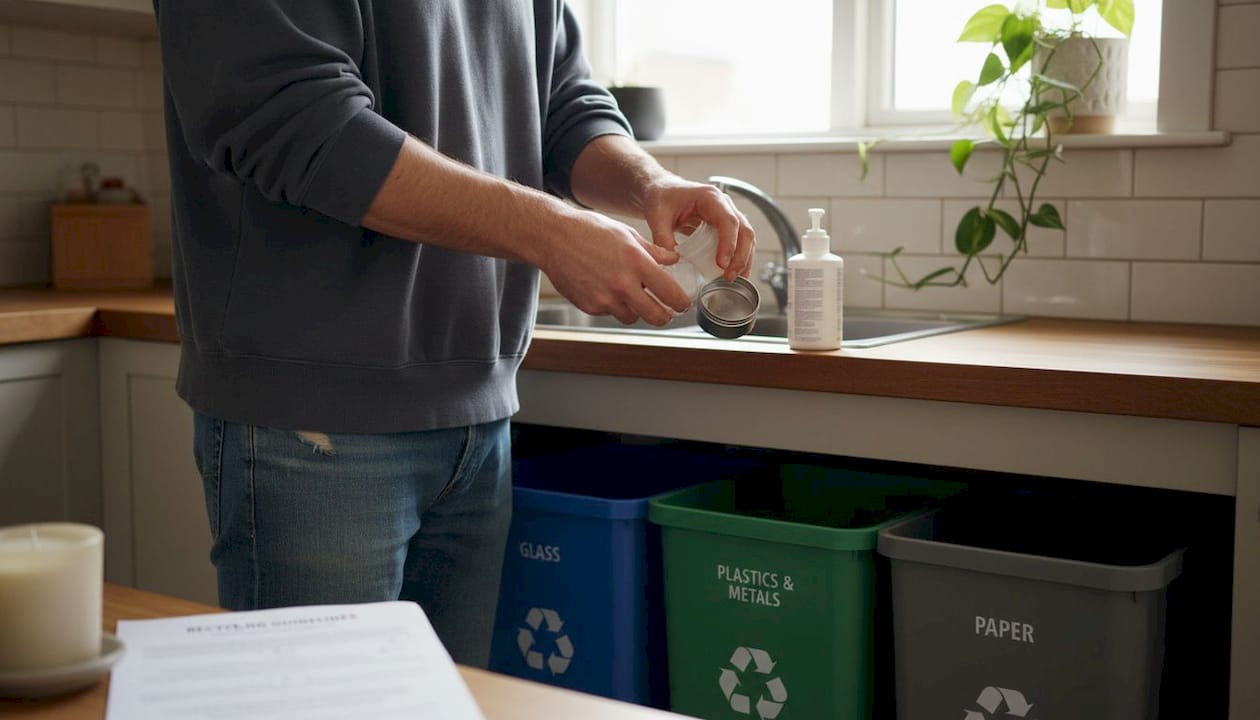
Biodegradable packaging sounds like an obvious win. It is not always. Research comparing end-of-life scenarios for conventional plastics versus biopolymers shows that biodegradable materials only outperform traditional packaging when they are disposed of through the correct pathway. Send biodegradable packaging to a landfill instead of an industrial composting facility, and it can actually generate more methane than the plastic it replaced.
Similarly, “natural” packaging made from paper or bamboo is not automatically lower impact. Manufacturing processes, transportation distance, and water use all factor into the true environmental cost. A refillable aluminum container used 10 times will almost always outperform a single-use “eco” pouch, regardless of what the label says.
Smart packaging actions to take right now:
- Choose refillable formats whenever a brand offers them. Refills typically cut packaging waste by 70 to 80 percent per use.
- Prioritize easily recycled materials like glass and aluminum over composite plastics that most curbside programs cannot process.
- Use brand take-back programs such as those offered by select clean beauty brands that accept empties for proper recycling or reuse.
- Check your local recycling rules before assuming a container is recyclable. What gets accepted varies widely by municipality.
For more ideas on reducing packaging impact without sacrificing your routine, these eco-accessory tips offer practical swaps that are easy to implement.
Pro Tip: Before buying a new product, check whether the brand offers a refill option or participates in a take-back program. A quick search on the brand’s website takes 30 seconds and can significantly reduce your long-term packaging footprint.
The uncomfortable truth about ‘eco’ beauty routines
Now for some hard-won perspective on what really works in everyday eco-conscious beauty.
No routine is perfectly sustainable. Not yours, not ours, not anyone’s. Every product has some environmental cost, and the goal is not zero impact but less impact, made consistently over time. The beauty industry knows that perfectionism paralyzes shoppers, and some brands exploit that by positioning their products as the guilt-free solution. They are not. There is no such thing.
What actually moves the needle is applying critical thinking to the highest-impact decisions: what you buy most often, what you throw away most often, and where your money goes most consistently. Use independent data like LCA scores and third-party certifications rather than relying on brand storytelling. Adjust your approach as new information becomes available, because the science and the standards genuinely do evolve.
The eco-friendly beauty checklist is a useful reference point for keeping your criteria current without getting overwhelmed. Real eco-conscious beauty is a practice, not a destination. Each swap, each refill, each certification check adds up. Celebrate the progress, not just the ideal.
Simplify your routine with verified eco-conscious picks
Ready to put these steps into practice? Start with essentials that make doing good simpler.
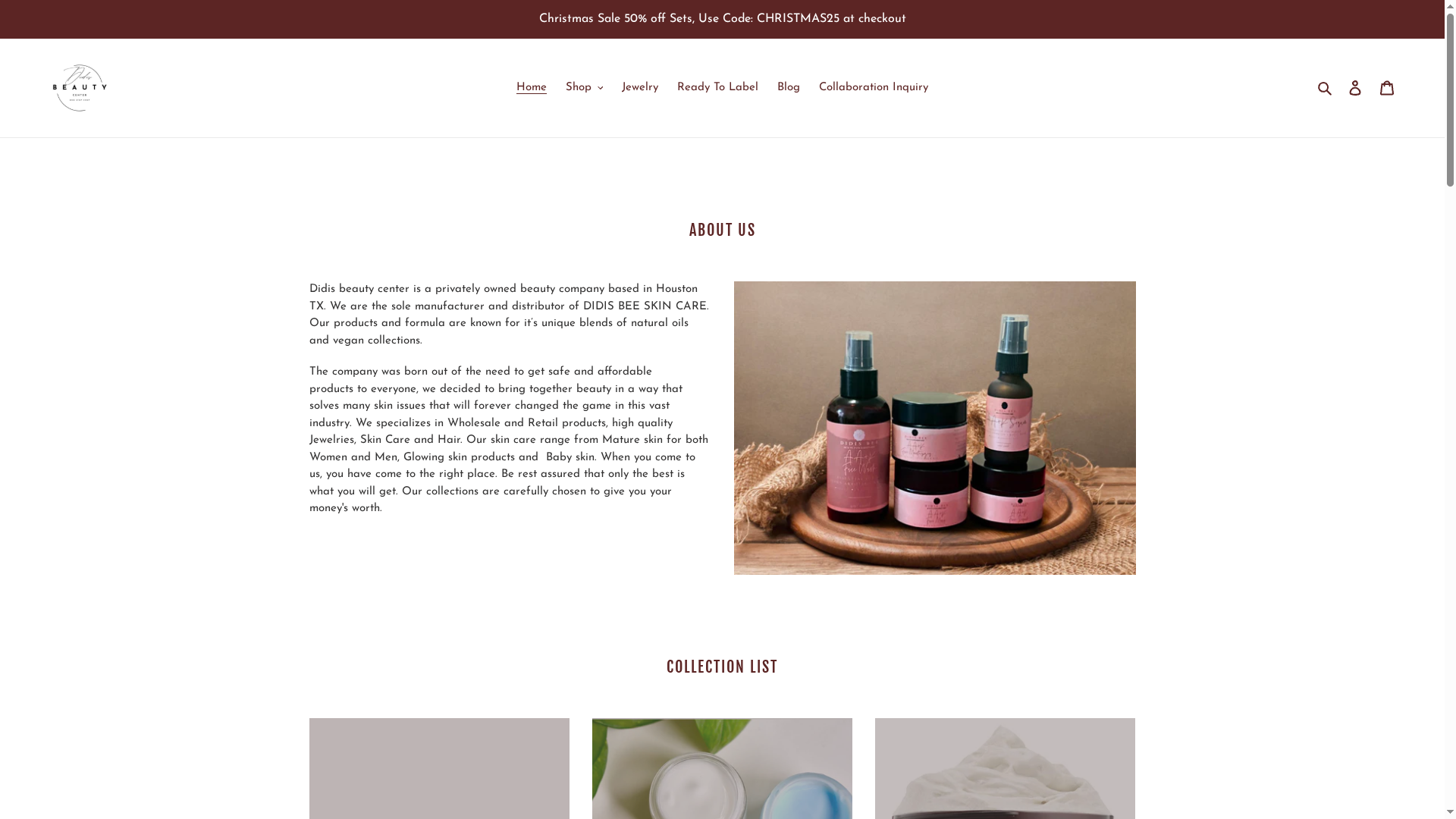
At Didis Beauty Center, we have curated vegan, cruelty-free formulations designed to simplify your routine without compromising on results. The Daily Essential Bundle gives you a streamlined starting point built around clean, verified ingredients. If nighttime recovery is a priority, the Detox Nightwear Face Cream works while you sleep with a formula free from animal-derived ingredients. For a complete overhaul, the Daily Routine Bundle covers every step of your day with products you can trust. Each option is chosen to make the evidence-based steps in this article easy to act on, starting today.
Frequently asked questions
How do I tell if a beauty brand is truly cruelty-free?
Look for third-party certifications from Leaping Bunny or Cruelty Free International rather than relying on unregulated phrases like “not tested on animals”, which carry no legal requirement for supply-chain auditing.
What’s the difference between vegan and cruelty-free beauty products?
Vegan means no animal ingredients; cruelty-free means no animal testing at any stage. A product can meet one standard without meeting the other, so always check both.
Does biodegradable packaging mean the product is eco-friendly?
Not automatically. Biodegradable packaging outcomes depend entirely on correct disposal; if it ends up in a landfill instead of an industrial composting facility, it can create more environmental harm than conventional plastic.
How do I stay updated about sustainable beauty certifications?
Follow independent initiatives like EcoBeautyScore’s LCA-based scoring and major animal welfare organizations, both of which update their criteria regularly as science and industry practices evolve.
Discourse (0)