


More than 80 percent of American shoppers now say they consider animal welfare when choosing beauty products. The demand for cruelty-free options is changing how companies develop and test everything from skincare to makeup. As more people rethink their routines, understanding what truly makes a product cruelty-free helps you make better choices that align with both ethical values and personal care priorities.
Table of Contents
- Defining Cruelty-Free Testing In Beauty
- How Cruelty-Free Differs From Animal Testing
- Recognizing Certified Cruelty-Free Products
- Key Laws And Global Certification Standards
- Impact On Brands, Consumers, And Sustainability
Key Takeaways
| Point | Details |
|---|---|
| Cruelty-Free Standards | Cruelty-free testing eliminates animal experiments during cosmetic development, focusing on alternative methods to ensure product safety and animal welfare. |
| Consumer Awareness | Understanding cruelty-free certification is essential, as not all claims are equal; consumers should look for reputable certification logos. |
| Global Regulations | Many countries have banned animal testing in cosmetics, reflecting a global commitment to ethical standards in product development. |
| Impact on Stakeholders | Embracing cruelty-free practices provides brands with enhanced reputation, while consumers gain increased transparency and align with ethical purchasing. |
Defining Cruelty-Free Testing in Beauty
In the beauty and cosmetics world, cruelty-free testing represents a critical ethical standard that protects animal welfare during product development. Cruelty-free cosmetics are products that do not involve animal testing during their manufacturing process, ensuring no harm comes to animals throughout research and production stages.
At its core, cruelty-free testing means completely eliminating animal experiments that were traditionally used to assess product safety. This comprehensive approach includes avoiding tests such as toxicity assessments, skin and eye irritation studies, and reproductive toxicity evaluations on animals. The term signifies that no harm is inflicted on animals at any stage of a cosmetic product’s development, from initial ingredient selection through final product formulation.
The movement towards cruelty-free testing reflects a growing global awareness about animal welfare and ethical product development. Beauty brands adopting these standards demonstrate a commitment to compassionate research methods that prioritize animal protection without compromising product quality or consumer safety. This approach involves:
- Using alternative testing methods like in-vitro cell cultures
- Leveraging advanced computer modeling techniques
- Conducting human volunteer patch tests
- Utilizing existing ingredient safety data
By embracing cruelty-free principles, companies can create innovative skincare solutions that respect both animal life and consumer expectations for ethical, high-performance products.
How Cruelty-Free Differs From Animal Testing
Animal testing and cruelty-free approaches represent fundamentally different philosophies in product safety research. The term ‘cruelty-free’ lacks a universal definition, leading to varying interpretations, which creates complexity in understanding what truly constitutes ethical product development.
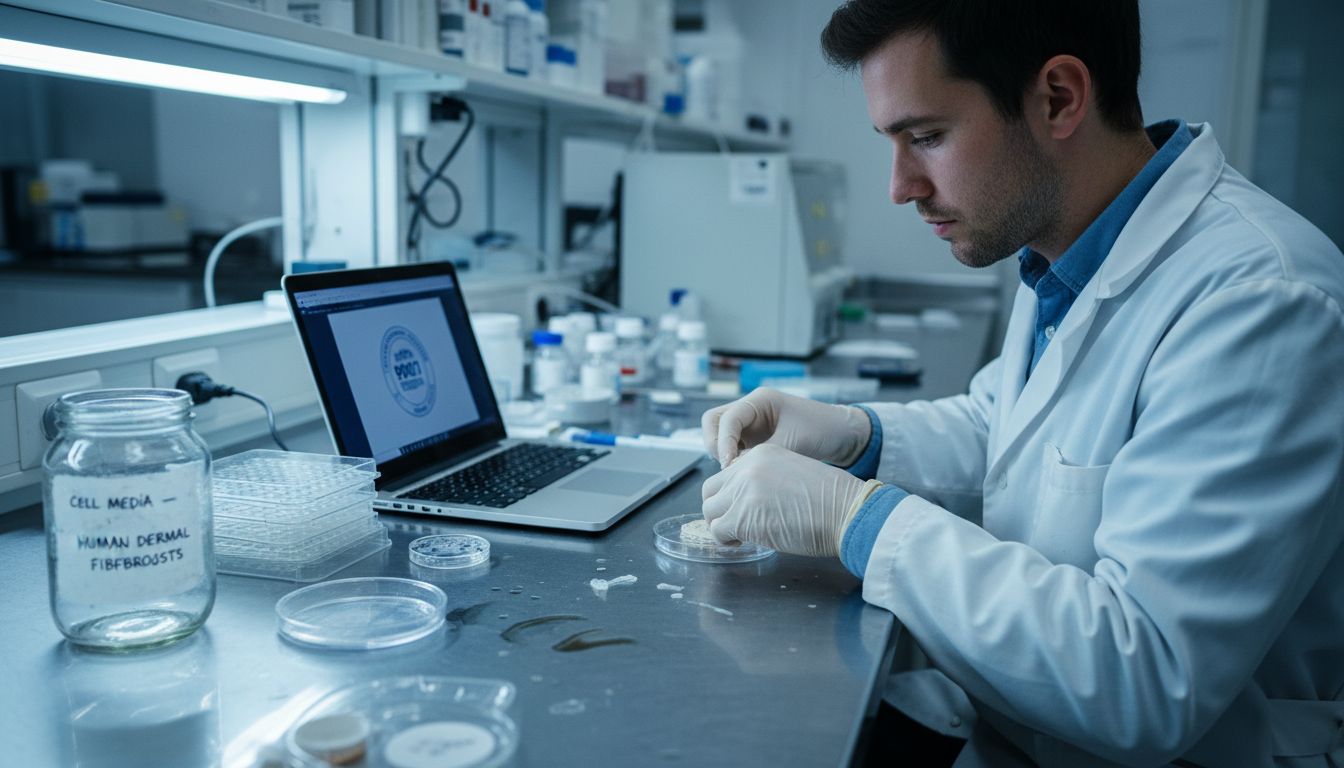
Traditional animal testing involves conducting experiments on live animals to assess product safety, toxicity, and potential side effects. This approach typically requires subjecting animals like rabbits, mice, and guinea pigs to invasive procedures that can cause significant physical and psychological harm. In stark contrast, cruelty-free testing eliminates animal experiments entirely, focusing instead on alternative methods that protect animal welfare while maintaining rigorous safety standards.
Interestingly, products labeled as ‘cruelty-free’ may still contain animal-derived ingredients, as the term primarily addresses the absence of animal testing rather than the complete elimination of animal products. This nuanced distinction means consumers must look beyond simple ‘cruelty-free’ labels to understand a product’s true ethical standing. Key differences include:
- Animal Testing: Involves direct experimentation on live animals
- Cruelty-Free: Uses alternative testing methods like:
- Computer modeling
- Human cell cultures
- Volunteer human patch testing
- Existing safety data analysis
Consumers committed to ethical purchasing should research brands thoroughly, understanding that cruelty-free certification represents a commitment to compassionate research methodologies that prioritize both animal welfare and product safety.
Recognizing Certified Cruelty-Free Products
Understanding how to identify genuine cruelty-free products requires careful attention to specific certification details and labeling standards. Authentic cruelty-free certifications, such as the Leaping Bunny, confirm that products are free from animal testing at all stages of development, providing consumers with a reliable method to verify ethical production practices.
When searching for truly cruelty-free products, consumers should look for recognized certification logos from reputable organizations. These logos serve as definitive proof that a brand has undergone rigorous independent verification processes. Not all cruelty-free claims are created equal, so understanding the nuances of certification becomes crucial for making informed purchasing decisions.
Key indicators of a legitimate cruelty-free certification include:
- Official certification logos from recognized organizations
- Third-party verification statements
- Comprehensive documentation of testing practices
- Transparent supply chain information
- Commitment to animal welfare throughout product development
Consumers should remain vigilant and research beyond surface-level marketing claims. Some brands may use misleading language or create their own self-proclaimed certifications, making it essential to cross-reference claims with established certification bodies that maintain strict standards for animal welfare in product development.
Key Laws and Global Certification Standards
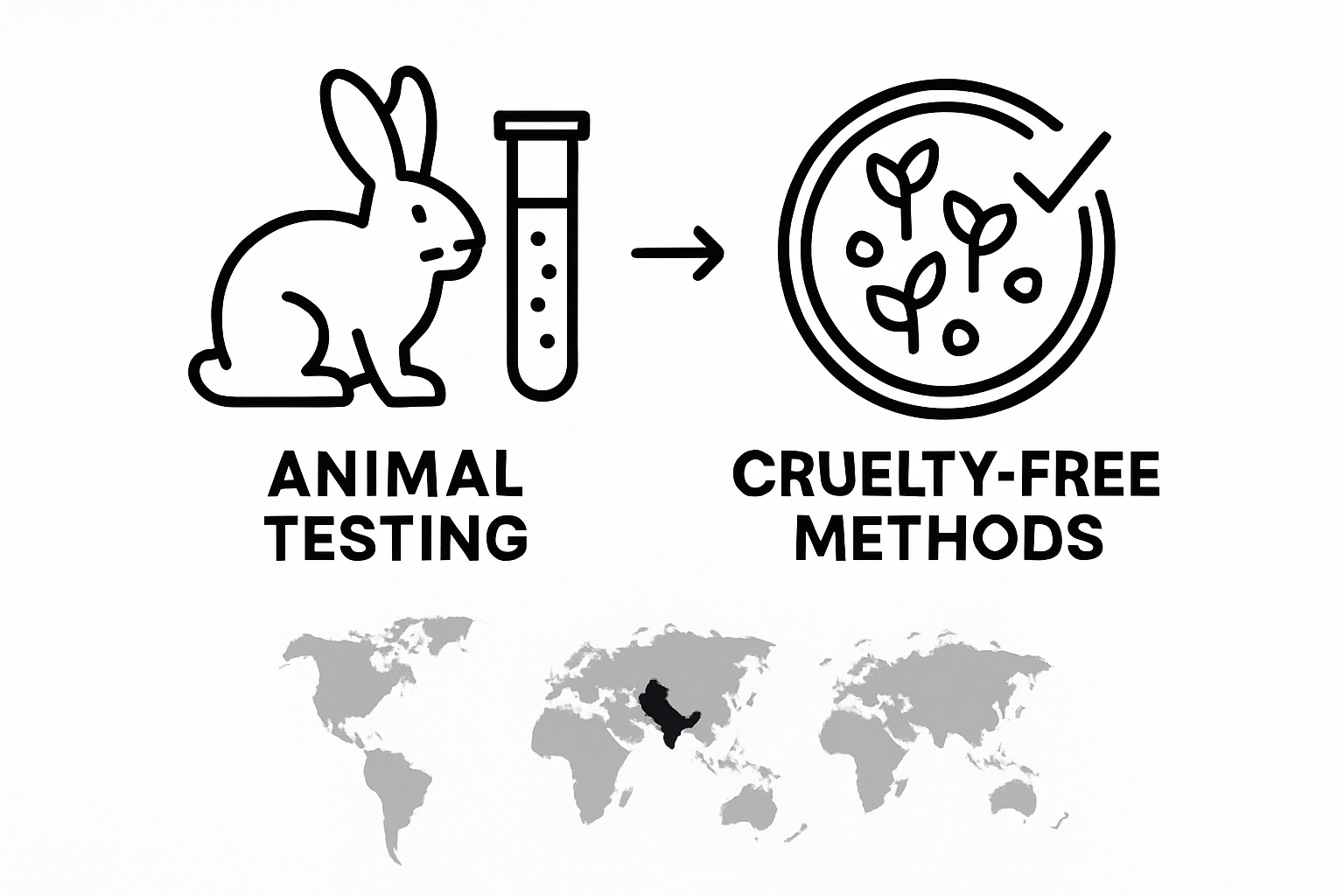
Cosmetic animal testing is banned in many parts of the world, including the European Union, the United Kingdom, India, and Norway, reflecting a significant global shift towards more ethical product development practices. These legislative actions represent a critical milestone in protecting animal welfare within the beauty and cosmetics industry.
The Fixed Cut-Off Date (FCOD) Animal Testing Policy provides an important benchmark for cruelty-free standards. This policy establishes a specific date after which no ingredients in a company’s products have been tested on animals, creating a clear framework for companies to demonstrate their commitment to ethical research methodologies.
Global certification standards typically encompass several key principles:
- Complete prohibition of animal testing
- Verification of ingredient sourcing
- Transparent supply chain documentation
- Independent third-party audits
- Ongoing compliance monitoring
As consumer awareness increases, more countries are expected to adopt stringent regulations that prioritize animal welfare and promote alternative testing methodologies. Brands committed to ethical practices will continue to play a crucial role in driving these transformative changes within the global beauty industry.
Impact on Brands, Consumers, and Sustainability
Cruelty-free practices address animal welfare issues and align with Sustainable Development Goal 12, which focuses on responsible consumption and production. This holistic approach transforms the beauty industry by creating a more ethical ecosystem that benefits animals, consumers, and the environment simultaneously.
Brands face significant challenges in navigating the complex landscape of ethical production. The complexity of defining ‘cruelty-free’ can lead to consumer confusion and potential deception, requiring companies to develop transparent and verifiable ethical standards. This shift demands comprehensive changes in research, sourcing, and manufacturing processes.
Key impacts on stakeholders include:
- For Brands:
- Enhanced reputation
- Access to ethical consumer markets
- Reduced environmental footprint
- For Consumers:
- Increased product transparency
- Alignment with personal values
- More responsible purchasing options
- For Sustainability:
- Reduced animal suffering
- Promotion of alternative research methods
- Support for global welfare standards
As ethical consumption continues to grow, cruelty-free practices represent more than a trend. They signal a fundamental reimagining of product development that prioritizes compassion, scientific innovation, and global responsibility.
Embrace True Cruelty-Free Beauty with Didis Beauty Center
Understanding the challenge of finding genuinely cruelty-free products means recognizing the value of ethical testing methods that protect animals without sacrificing quality. If you care deeply about supporting brands that uphold the highest standards in cruelty-free practices and want skincare solutions aligned with your values, Didis Beauty Center offers a trusted selection of natural, vegan products designed with compassion and safety in mind. These products avoid harmful animal testing and promote sustainable beauty choices that reflect your commitment to responsible consumption.
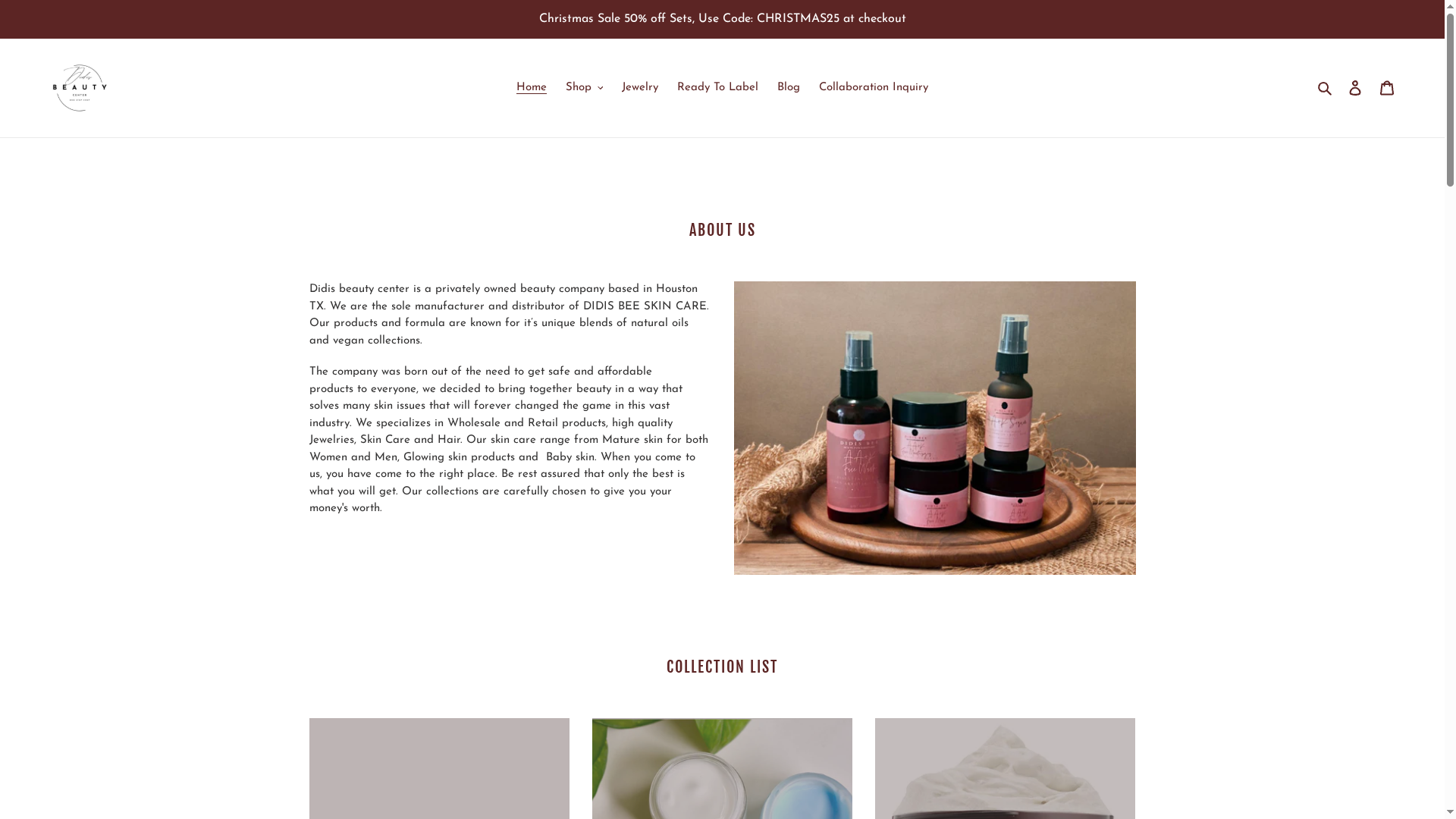
Discover the power of skincare that truly honors cruelty-free principles by exploring our carefully curated collections. Whether you are a conscious consumer or an entrepreneur looking to launch ethical personal care lines with ready-to-label packs, Didis Beauty Center provides high-quality options and transparent information to guide your journey. Act now to join a community that prioritizes animal welfare and sustainability without compromising effectiveness. Start your ethical beauty experience today by visiting Didis Beauty Center and learn more about cruelty-free standards on our blog to make fully informed choices.
Frequently Asked Questions
What does cruelty-free testing mean in the beauty industry?
Cruelty-free testing refers to the practice of developing cosmetic products without using animal testing at any stage, ensuring that no harm comes to animals during research and production.
How does cruelty-free testing differ from traditional animal testing?
Cruelty-free testing eliminates the use of live animals for experiments, instead using alternative methods such as in-vitro testing, computer modeling, and existing safety data to assess product safety.
How can I identify if a product is genuinely cruelty-free?
Look for recognized cruelty-free certification logos, such as the Leaping Bunny, and verify that the brand undergoes independent verification processes for ethical production practices.
Why is cruelty-free testing important for consumers?
Cruelty-free testing is important as it aligns with ethical values regarding animal welfare, provides transparency in product development, and encourages responsible purchasing practices that can lead to a more compassionate beauty industry.
Discourse (0)