


TL;DR:
- Effective skincare relies on simple routines with key ingredients rather than high-end brands.
- Prioritizing proven actives saves money and offers similar results as luxury products.
- Consistency and proper layering are more important than product complexity or cost.
Skincare aisles are packed with hundreds of products, each claiming to be the solution your skin needs. The truth is, building an effective routine doesn’t require a luxury budget. Many affordable products contain the exact same active ingredients as their high-end counterparts, and affordable skincare importance is something dermatologists have been talking about for years. What separates glowing skin from frustrated skin isn’t the price tag. It’s smart choices, the right ingredients, and showing up for your skin every single day. This guide breaks down everything you need to know, from building your core routine to going eco-friendly, so you can spend less and get more.
Table of Contents
- Build your budget skincare essentials
- Prioritize ingredients, not brands
- Smart ways to use and layer products
- Go natural and eco: DIY tips and sustainable swaps
- Customize for your skin: Affordably targeting your concerns
- Why simple, consistent routines beat expensive trends
- Where to find quality, affordable skincare options
- Frequently asked questions
Key Takeaways
| Point | Details |
|---|---|
| Focus on essentials | A simple cleanser, treatment, moisturizer, and SPF provide an effective base for any affordable routine. |
| Ingredient quality wins | Key actives like retinol, niacinamide, and ceramides matter more than the brand label. |
| Layer with care | Introduce new products gradually and stick to your routine for 6-8 weeks to see results. |
| Think green to save | DIY and refillable products cut waste and cost, but always patch test for safety. |
| Adapt for your skin | Customize affordable products by skin type and concerns to maximize results without overspending. |
Build your budget skincare essentials
Every effective skincare routine rests on four pillars: a gentle cleanser, a targeted treatment, a moisturizer, and daily SPF. That’s it. You don’t need a 12-step regimen or a cabinet full of serums to see real results. Dermatologists consistently recommend starting simple, and the core affordable routine they suggest includes exactly these four steps.
The ingredients inside those products matter far more than the label on the bottle. Niacinamide, retinol, ceramides, and broad-spectrum SPF are clinically proven workhorses. Niacinamide reduces redness and evens skin tone. Ceramides restore the skin barrier. Retinol speeds up cell turnover. These aren’t luxury ingredients. They’re available in drugstore products at a fraction of the cost of prestige brands.
Here’s what to look for when building your affordable routine:
- Cleanser: Look for gentle, sulfate-free formulas. Avoid anything that leaves skin feeling tight.
- Treatment: Choose based on your concern. Niacinamide for uneven tone, salicylic acid for acne, or adapalene 0.1% FDA-approved for texture and acne.
- Moisturizer: Ceramide-rich options work for almost every skin type and cost well under $20.
- SPF: A broad-spectrum SPF 30 or higher is non-negotiable. Mineral or chemical, both work.
One of the most surprising facts in skincare? 73% of dermatologists use products priced under $30 in their own routines. That stat alone should shift how you think about spending. Reading ingredient lists is a skill worth developing. If the active ingredient in a $15 drugstore moisturizer matches the one in a $90 department store cream, you’re getting the same result for a fraction of the price.
Prioritize ingredients, not brands
Once you understand the foundations, the next move is learning to shop by ingredient, not by brand recognition. Marketing budgets drive luxury prices, not formula quality. The science behind skincare is surprisingly democratic. Most proven actives are widely available and affordable.
Here’s a quick comparison of common skincare goals and what to look for:
| Skin concern | Key ingredient | Budget option | Luxury option |
|---|---|---|---|
| Dullness | Niacinamide | Under $15 | $60+ |
| Wrinkles | Retinol | Under $20 | $80+ |
| Dryness | Hyaluronic acid | Under $12 | $70+ |
| Acne | Salicylic acid | Under $10 | $50+ |
| Barrier repair | Ceramides | Under $18 | $65+ |
Studies show that budget multi-active formulas can deliver 30 to 38% wrinkle reduction and over 70% hydration gains. Those numbers are hard to argue with. Affordable doesn’t mean inferior when the actives are the same.
Shopping smart also means timing your purchases. Many drugstore brands run seasonal sales, and store-brand versions of popular products often use identical formulations. Prioritizing actives over brand names is one of the most consistent recommendations from dermatologists who specialize in accessible skincare.
When is it worth spending more? Sunscreen with elegant textures can improve daily compliance, so if you’ll actually wear a pricier SPF every day, that’s a reasonable splurge. Same goes for prescription-strength treatments if over-the-counter options aren’t cutting it.
Pro Tip: Compare the first five ingredients on any two products. If they match, the cheaper one is almost always the better buy.
Smart ways to use and layer products
Having the right products is only half the equation. How you use them determines whether you see results or just frustration. The biggest mistake people make is loading up on actives all at once. Your skin needs time to adjust.
Here’s a simple eight-week introduction plan:
- Weeks 1 and 2: Start with cleanser and moisturizer only. Let your skin settle.
- Weeks 3 and 4: Add SPF every morning. This alone makes a measurable difference.
- Weeks 5 and 6: Introduce one treatment, like niacinamide or a gentle retinol, every other night.
- Weeks 7 and 8: Increase treatment frequency if skin tolerates it. Assess and adjust.
The rule of thumb is one new active every 2 to 3 weeks, with patch testing before each addition. Apply a small amount to your inner arm or behind your ear for 24 hours before putting anything new on your face.
“Consistency beats complexity in affordable skincare.” Sticking to a simple, steady routine outperforms a complicated one used sporadically every time.
Over-cleansing is another common mistake. Washing your face more than twice a day strips the skin barrier and causes rebound oiliness. Once in the morning, once at night. That’s enough. For layering, apply products from thinnest to thickest: toner, serum, moisturizer, then SPF in the morning. Learning vegan skincare layering techniques can also help you get more from plant-based formulas without irritation.
Pro Tip: If your skin feels tight or looks red after introducing a new product, scale back to every third night before building up again. Slow and steady wins here.
Go natural and eco: DIY tips and sustainable swaps
For those who want to take their routine in a greener direction, natural and DIY options can be both budget-friendly and effective. The key is knowing what works and what to watch out for.
Some of the most useful natural DIY ingredients include:
- Honey: A natural humectant and mild antibacterial. Works well as a gentle mask.
- Oatmeal: Calms irritation and reduces redness. Great for sensitive skin.
- Aloe vera: Soothes and hydrates. Effective after sun exposure.
- Diluted apple cider vinegar: Can work as a toner, but must be diluted to avoid irritation.
DIY options have real advantages. They cut packaging waste, cost very little, and let you control exactly what goes on your skin. The tradeoff is that they’re less standardized than formulated products and carry a higher risk of irritation if not used carefully. Patch testing is essential with any DIY mix.

Sustainable swaps are another way to save money and reduce your environmental footprint. Choosing refillable or concentrated products and bar cleansers cuts both cost and plastic waste. Multi-use products, like a tinted moisturizer with SPF, replace two or three separate items at once.
| Option | Average monthly cost | Eco impact | Evidence level |
|---|---|---|---|
| DIY honey mask | Under $3 | Very low waste | Moderate |
| Bar cleanser | $4 to $8 | Minimal packaging | High |
| Refillable moisturizer | $10 to $20 | Low waste | High |
| Standard bottled routine | $20 to $50 | Higher waste | High |
For more ideas on reducing your footprint without reducing results, the eco-friendly skincare tips on our blog cover practical swaps for every step of your routine.
Customize for your skin: Affordably targeting your concerns
Affordable skincare works best when it’s tailored to your actual skin, not a generic routine copied from a beauty influencer. Different skin types need different actives, and knowing which ones apply to you saves both money and frustration.
Here’s a quick breakdown by skin type:
- Dry skin: Look for ceramide-rich moisturizers and hyaluronic acid. Avoid harsh exfoliants. Use a cream-based cleanser.
- Oily or acne-prone skin: Salicylic acid and benzoyl peroxide are your best tools. Lightweight, non-comedogenic moisturizers prevent that greasy feeling.
- Aging skin: Retinol and vitamin C are the gold standard. Start with a low-strength retinol and work up slowly.
- Sensitive skin: Stick to ceramides, avoid acids and fragrance, and keep your routine minimal. Ceramide-rich products are especially effective here.
The less-is-more principle applies across all skin types. A three-step routine done consistently outperforms a ten-step routine done twice a week. When you’re first starting out, resist the urge to address every concern at once. Pick your top priority and build from there.
Pro Tip: If your skin isn’t responding after eight consistent weeks, that’s a good time to consult a dermatologist. Many offer telehealth appointments that are surprisingly affordable and can save you money by pointing you to exactly what you need.
Knowing when to spend more is also part of customizing smartly. Prescription-strength retinoids or targeted treatments for conditions like rosacea or hyperpigmentation may be worth the investment when over-the-counter options plateau.
Why simple, consistent routines beat expensive trends
Here’s the perspective that most skincare content skips over: the beauty industry profits from complexity. New launches, limited editions, and trending ingredients create a cycle of buying and discarding that benefits brands, not your skin. The uncomfortable truth is that 73% of dermatologists recommend drugstore basics over luxury alternatives for everyday use.
The real cost of expensive skincare isn’t just financial. It’s the confusion, the over-layering, and the skin irritation that comes from constantly switching products chasing the next miracle. A simple routine with proven actives, used consistently for months, will outperform any trending serum you swap in and out every few weeks.
Natural and DIY options add another layer to this. They save money and reduce packaging waste, which matters. But they carry more variability than tested formulas. The sweet spot is a core routine of affordable, evidence-based products supplemented with natural options where the evidence supports it. Simplicity and consistency aren’t limitations. They’re the strategy.
Where to find quality, affordable skincare options
Ready to put this into practice? At Didis Beauty Center, we’ve built our entire product line around the idea that effective skincare shouldn’t cost a fortune. Our formulas are natural, vegan, and designed to deliver real results at prices that make sense for everyday routines.
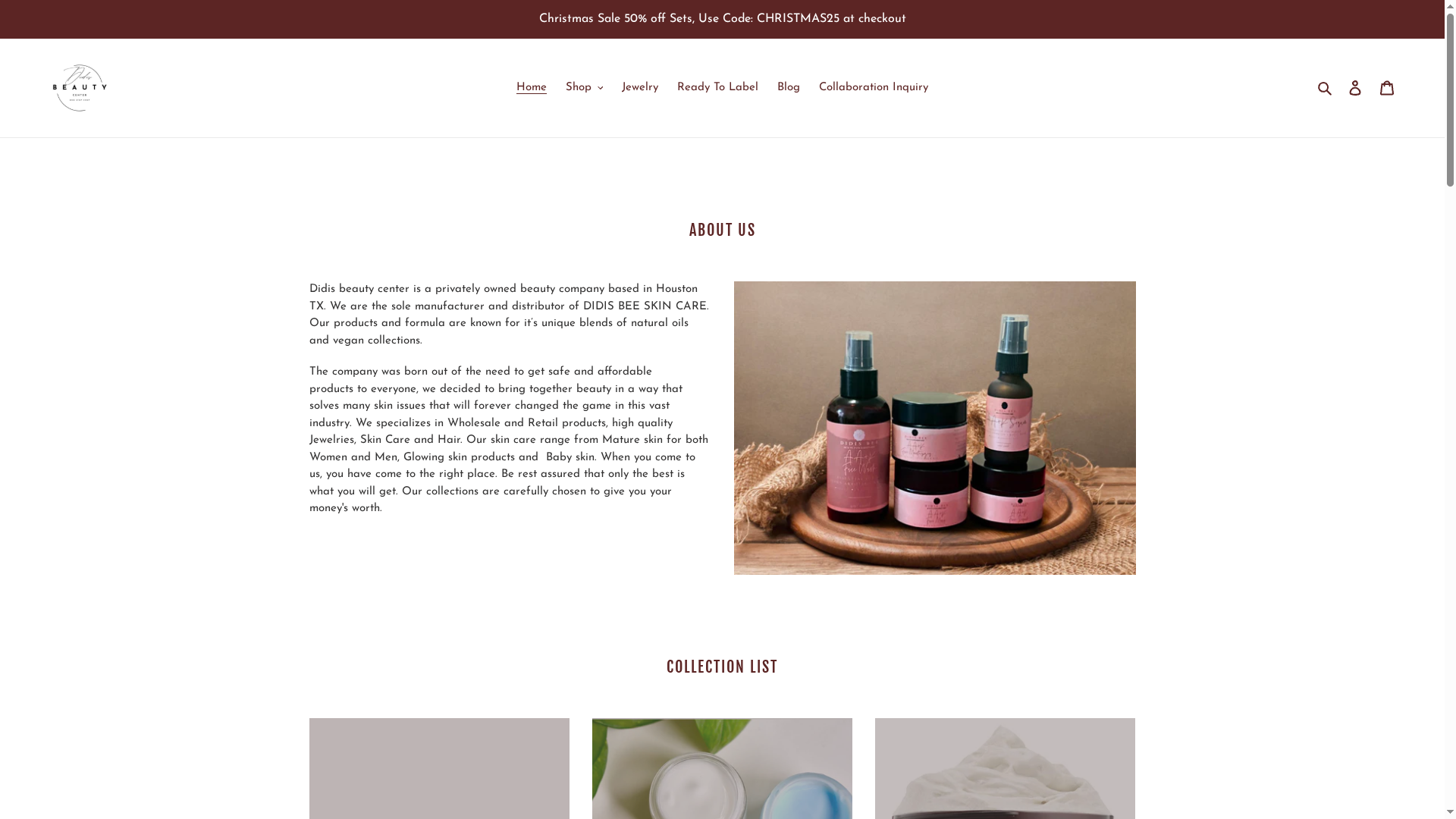
If you’re interested in going further, our private label skincare program lets you create your own branded line using the same quality formulas, which is a smart option for anyone looking to turn their skincare passion into a small business. Whether you’re building your personal routine or exploring a business idea, we have options that align with everything covered in this article.
Frequently asked questions
What’s the most important step for affordable skincare?
Daily SPF is the most cost-effective way to protect your skin and prevent premature aging. Sunscreens prevent photoaging in clinical trials, making them the single highest-return product in any routine.
Can natural ingredients really replace mainstream skincare products?
Natural ingredients like honey, oatmeal, and aloe vera can save money and reduce waste, but they’re generally less standardized than formulated products. Patch testing is essential before using any DIY mix on your face.
How can I customize a budget routine for sensitive skin?
Opt for ceramide-rich products, skip fragrances and harsh acids, and keep your routine to three steps or fewer. Ceramide-rich options are specifically recommended for sensitive and dry skin types.
Are drugstore brands as effective as luxury skincare?
For most everyday basics, yes. Drugstore beats luxury for routine steps according to the majority of dermatologists, especially when the active ingredients are identical.
How long does it take to see results from affordable skincare?
Most people see visible changes after six to eight weeks of consistent use. Consistent use for 6 to 8 weeks is the standard benchmark dermatologists recommend before evaluating whether a product is working.
Discourse (0)