


TL;DR:
- There is no legal standard for clean beauty in the US, so label claims should be scrutinized.
- Building a simple routine with affordable, multi-use clean products offers effective skincare on a budget.
- Consumers must read ingredient lists carefully and avoid greenwashing to ensure product safety and trust.
Finding beauty products that are genuinely safe, ethically made, and easy on your wallet feels like solving a puzzle with missing pieces. Shelves are packed with labels screaming “natural,” “pure,” and “green” but those words mean almost nothing without context. The clean beauty space has exploded in popularity, yet the rules around it remain frustratingly vague. This guide cuts through the noise. You’ll learn exactly what clean beauty means, how to spot brands worth trusting, and how to build a simple, effective routine without spending a fortune. Whether you’re a skincare lover or an aspiring beauty entrepreneur, this is your no-nonsense starting point.
Table of Contents
- What is clean beauty and why does it matter?
- Building your affordable clean beauty toolkit
- Your simple step-by-step clean beauty routine
- Avoiding greenwashing and common mistakes
- Our take: What most clean beauty guides miss
- Bring affordable clean beauty into your routine with Didis Beauty Center
- Frequently asked questions
Key Takeaways
| Point | Details |
|---|---|
| Know clean beauty basics | Understand what makes products truly clean—not just marketing claims. |
| Build on a budget | Quality clean beauty routines can cost less than $100 using smart brand and product choices. |
| Simplify your routine | A few proven steps outperform complicated regimens every time. |
| Spot greenwashing | Learn to recognize real certifications and check ingredient lists for safety. |
| Empower your choices | Ingredient awareness and product consistency matter more than hype for results and well-being. |
What is clean beauty and why does it matter?
With common confusion in mind, let’s clarify exactly what makes a product “clean” and why these distinctions matter.
Here’s the uncomfortable truth: there is no legal FDA definition for clean beauty in the United States. The European Union bans over 1,300 cosmetic ingredients, while the US restricts fewer than 30. That gap is enormous, and it means brands can slap “clean” on almost anything without consequences. Knowing this changes how you shop.
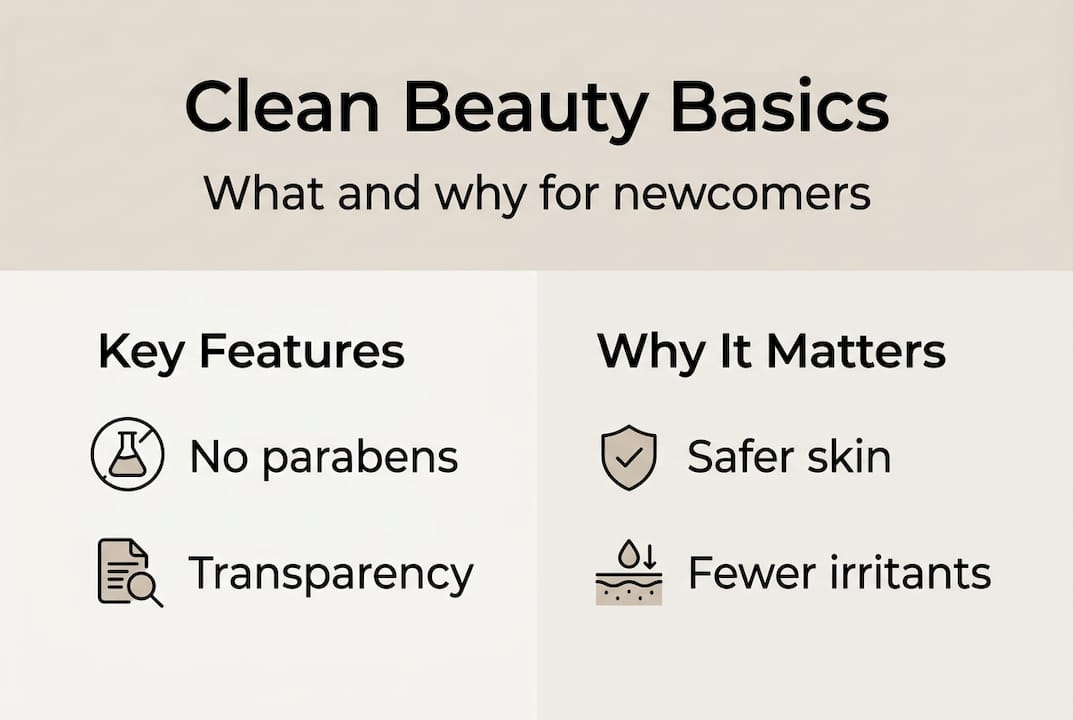
At its core, clean beauty defined comes down to a few non-negotiable principles. Products should be free from ingredients with known health risks, formulated transparently, and ideally produced with minimal environmental harm. Clean beauty emphasizes natural, vegan, non-toxic, and cruelty-free standards, though even those terms vary by brand.
So what should you actually look for? Here are the key criteria that separate genuinely clean products from clever marketing:
- No parabens (preservatives linked to hormone disruption)
- No phthalates (plasticizers often hidden in “fragrance”)
- No formaldehyde or formaldehyde-releasing preservatives
- No synthetic fragrances (a catch-all that can hide hundreds of undisclosed chemicals)
- Cruelty-free certification from recognized bodies like Leaping Bunny or PETA
- Eco-conscious packaging made from recycled or biodegradable materials
- Full ingredient transparency on the label and the brand’s website
Ingredient safety and company transparency matter far more than any single “natural” label. A product can be 100% plant-derived and still contain allergens or irritants. Conversely, some lab-created ingredients are extremely safe and well-studied. Understanding non-toxic skincare benefits means looking past marketing and reading the actual ingredient list.
Worth knowing: Dermatologists consistently point out that “natural” is not a safety guarantee. What matters is whether an ingredient has been tested, at what concentration it’s used, and whether the brand is transparent about its sourcing and formulation process.
The rise of clean beauty regulations globally is pushing brands toward greater accountability, but consumer awareness remains your best protection right now. Read labels. Ask questions. And never assume a pretty green package means a clean product inside.
Building your affordable clean beauty toolkit
Once you understand what makes a beauty product clean, you can start building an affordable toolkit that works for your skin and wallet.
The good news? You don’t need a 12-step routine or a luxury budget. Affordable clean beauty brands offer essentials for $5 to $30, and complete routines can come in well under $100. The key is knowing which products actually earn their place in your bathroom cabinet.
Start with four essentials: a gentle cleanser, a lightweight moisturizer, SPF protection, and a multipurpose tinted product if you like a little color. That’s it. Everything else is optional. For a deeper look at building this out, a step-by-step vegan skincare guide can help you layer products correctly.
| Product type | Affordable brand examples | Typical price range |
|---|---|---|
| Gentle cleanser | Cetaphil, Acure, Burt’s Bees | $6 to $15 |
| Moisturizer | CeraVe, Andalou Naturals, Yes To | $8 to $20 |
| SPF (mineral) | Badger, Thinksport, Alba Botanica | $10 to $25 |
| Tinted moisturizer | Ilia, Pacifica, W3LL People | $14 to $30 |
| Toner or serum | The Ordinary, Thayers, Herbivore | $7 to $25 |
Shopping smart makes a real difference. Here are practical tips to stretch your clean beauty budget:
- Buy bundles or starter kits from brands that offer discounted sets
- Check drugstore shelves for clean-certified options from brands like Burt’s Bees and Pacifica
- Shop online sales and subscribe for brand newsletters to catch promotions
- Look for multipurpose products like a tinted SPF that combines three steps in one
- Try a clean beauty starter kit to test a full routine before committing to full-size purchases
- Follow a natural skincare routine framework to avoid buying products you don’t need
Pro Tip: Multi-use products are your biggest budget ally. A tinted moisturizer with SPF replaces three separate products and cuts both cost and clutter. Always check if a product can serve double duty before adding it to your cart.
Your simple step-by-step clean beauty routine
With your toolkit in hand, follow these steps to build a routine you’ll stick to, regardless of your skin type or budget.
Simplicity wins. 98% saw improved skin after switching to a streamlined 4 to 6 step clean routine. More products don’t mean better results. They often mean more irritation, more spending, and more confusion about what’s actually working.
Here’s a clean routine that covers all the bases:
- Cleanse in the morning and evening with a gentle, sulfate-free cleanser. Massage in circular motions, rinse with lukewarm water.
- Tone or prep with a hydrating toner or essence. Apply with clean hands or a reusable cotton pad.
- Treat with a lightweight serum if you have a specific concern like uneven tone or dryness. One targeted serum is enough.
- Moisturize with a formula suited to your skin type. Apply while skin is still slightly damp to lock in hydration.
- Protect every morning with a mineral SPF of at least 30. This is non-negotiable for skin health and anti-aging.
- Tint (optional) with a clean tinted moisturizer or BB cream if you want light coverage.
For a vegan skincare routine that works across skin types, layering order matters. Always go thinnest to thickest consistency.
| Routine step | Dry skin | Oily skin | Sensitive skin |
|---|---|---|---|
| Cleanser | Cream or oil-based | Gel or foam | Micellar or fragrance-free |
| Toner | Hydrating, hyaluronic acid | Balancing, witch hazel | Calming, rosewater |
| Moisturizer | Rich cream or balm | Lightweight gel | Fragrance-free lotion |
| SPF | Moisturizing mineral SPF | Oil-free mineral SPF | Mineral, titanium dioxide |
Pro Tip: Evening routines can skip SPF and go heavier on moisture. Your skin repairs itself overnight, so a nourishing night moisturizer or a few drops of a plant-based facial oil can do a lot of work while you sleep.
Avoiding greenwashing and common mistakes
As you bring clean beauty into your routine, it’s crucial to sidestep greenwashing and maximize your investment in safe, effective products.
Greenwashing is common across the beauty industry. Certifications like EWG Verified and USDA Organic help, but even these aren’t completely foolproof. The most important skill you can develop is reading ingredient lists with a critical eye.
Watch out for these red flags when evaluating a brand:
- Vague label language like “natural,” “pure,” or “eco” with no certification to back it up
- Proprietary blends that hide individual ingredient names
- Missing ingredient lists on websites or packaging
- No third-party testing or safety certifications mentioned
- Excessive essential oils without dilution guidance (these can be potent irritants)
- Claims that sound medical but aren’t backed by clinical data
For a broader look at how to navigate this space, the clean beauty guide for 2026 breaks down current certification standards and what they actually verify.
Safety reminder: Natural does not always mean gentle. Lavender, citrus oils, and tea tree are all “natural” but can cause contact dermatitis in sensitive skin types. Always patch test a new product on your inner wrist for 24 to 48 hours before applying it to your face.
Credible clean brands are transparent. They publish full ingredient lists, explain why each ingredient is included, and make their testing data accessible. If a brand’s website is light on specifics and heavy on lifestyle imagery, that’s worth noticing. Explore sustainable beauty tips to learn which certifications and practices actually signal a trustworthy brand.
The biggest mistake most people make is assuming price equals purity. Some of the most effective, genuinely clean products are affordable. And some expensive “clean” products are mostly water and marketing. Price is not your compass. Ingredients are.
Our take: What most clean beauty guides miss
Having covered the practical steps, let’s pull back and offer an industry-insider perspective on affordable clean beauty’s tangled reality.
Here’s what we’ve learned working in this space: the obsession with labels is often a distraction from what actually matters, which is how your skin responds to a product over time. A “clean” certification doesn’t guarantee your skin will love it. Your skin is personal. Your routine should be too.
For entrepreneurs, this is especially important. Building a clean beauty brand on buzzwords alone is a short-term strategy. What builds lasting trust is product efficacy, honest ingredient sourcing, and real lab testing. Customers are getting smarter. They read labels now. They Google ingredients. They share reviews. A brand that cuts corners on formulation but invests in green packaging will not survive long-term scrutiny.
For consumers, consistency beats novelty every time. Chasing the newest trending ingredient or the most talked-about serum rarely leads to better skin. A simple, well-chosen routine used consistently for 8 to 12 weeks will outperform a complicated, ever-changing one. Understanding non-toxic beauty insights gives you the foundation to make choices based on evidence, not hype. That’s the real clean beauty advantage.
Bring affordable clean beauty into your routine with Didis Beauty Center
Armed with know-how, now is the perfect time to explore solutions that help put these clean beauty principles into practice.
At Didis Beauty Center, we’ve built our entire catalog around the idea that clean beauty should be accessible, not aspirational. Our product lines feature natural, vegan formulations including face soaps, brightening treatments, and toners that are designed for real results at real prices.
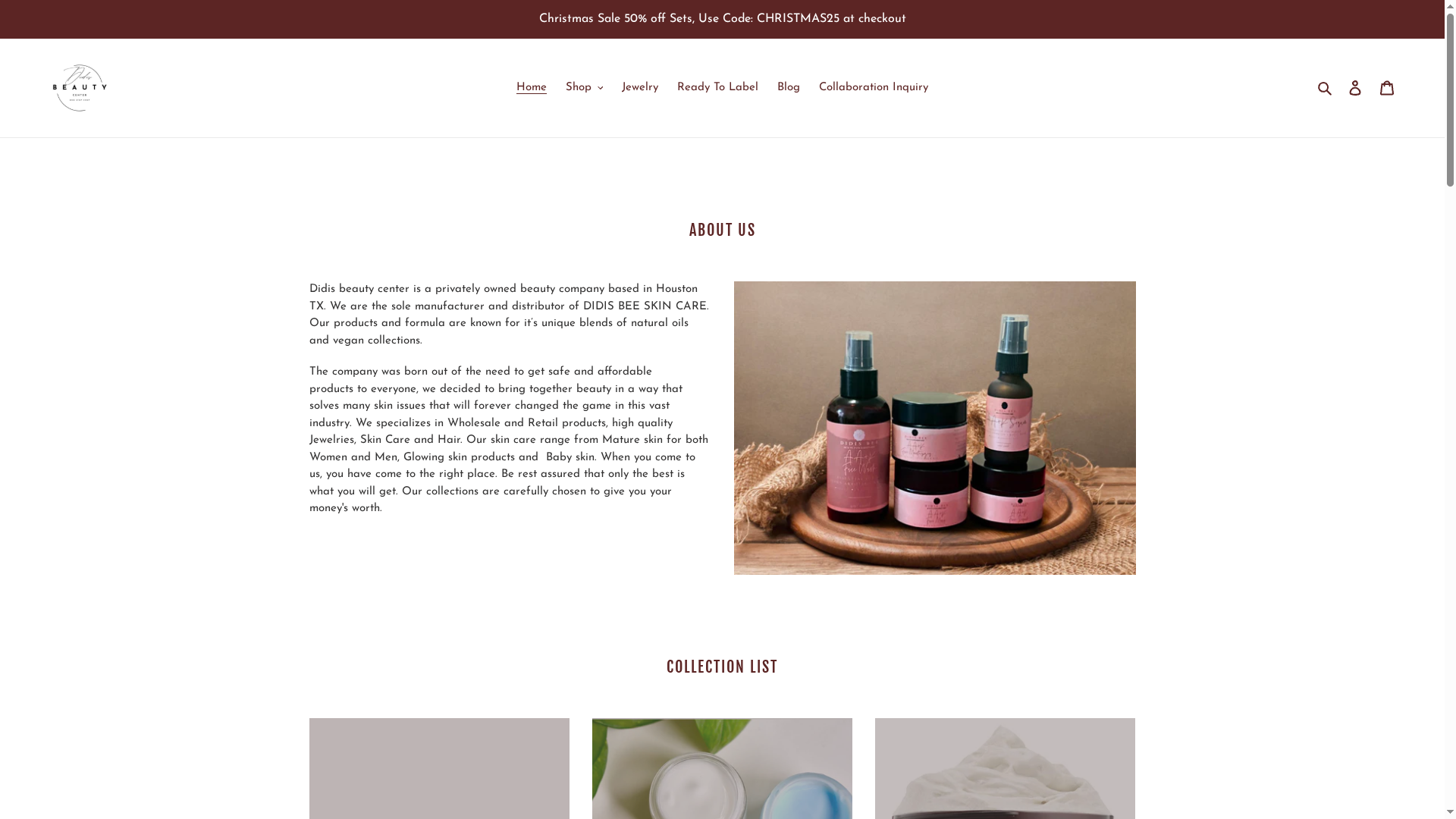
If you’re an aspiring entrepreneur ready to enter the clean beauty market, our private label beauty products program gives you access to tested, safe formulations with eco-conscious packaging, so you can launch your brand with confidence. For everyday shoppers, browse our full range of affordable clean beauty options and find the essentials your routine has been missing. Clean beauty that works for your skin and your budget is right here.
Frequently asked questions
What ingredients should I avoid in affordable clean beauty products?
Steer clear of parabens, phthalates, sulfates, formaldehyde, synthetic fragrances, and PEGs when choosing clean products. These common chemicals to avoid are flagged by clean beauty advocates and health-focused dermatologists alike.
Can clean beauty really be affordable?
Absolutely. Many proven brands offer effective clean beauty essentials between $5 and $30, and full routines under $100 are widely available when you shop smart and prioritize multi-use products.
What is “greenwashing” in clean beauty?
Greenwashing is when brands use misleading marketing to appear eco- or health-friendly without genuine safety or sustainability. Greenwashing remains common in the beauty industry, so always look beyond the label.
Are natural ingredients always safer than synthetic ones?
No. Some natural ingredients can cause irritation or allergic reactions, and certain lab-tested synthetics are considered very safe in regulated amounts. Natural does not equal safe is a principle every informed beauty consumer should keep in mind.
How can entrepreneurs enter the affordable clean beauty market?
By focusing on evidence-based formulations, transparent ingredient sourcing, and avoiding greenwashing, entrepreneurs can build trusted clean brands. Empirical testing and upcycled ingredients are increasingly recognized as key strategies for credible market entry.
Discourse (0)