


Finding truly non-toxic skincare can feel like navigating a maze when bold claims are everywhere but clear standards are not. The term “non-toxic” often appears on labels with confidence, yet lacks legal definition or regulatory enforcement in the beauty industry. For eco-conscious consumers and small beauty entrepreneurs, understanding the real meaning of non-toxic becomes critical for wellness and authentic business. Confusion about what is genuinely safe versus what is simply marketed as safe shapes everyday skincare decisions and long-term trust.
Table of Contents
- Defining Non-Toxic Skincare And Common Myths
- Key Ingredients And Types Of Formulations
- How Non-Toxic Skincare Supports Health
- Environmental And Ethical Impacts
- Risks Of Conventional Skincare Products
- Alternative Solutions And How To Choose Safely
Key Takeaways
| Point | Details |
|---|---|
| Understanding Non-Toxic | Non-toxic skincare lacks a legal definition, and many products labeled as such may still contain harmful chemicals. Consumers must critically evaluate ingredient safety beyond marketing claims. |
| Myths Awareness | Common myths suggest that natural equals safe and that higher prices guarantee better quality; however, these beliefs can lead to misleading assumptions about product safety and efficacy. |
| Ingredient Transparency | For small beauty entrepreneurs, building a brand on transparency and genuine non-toxic claims fosters consumer trust and loyalty amidst growing skepticism of greenwashing. |
| Environmental Responsibility | Choosing non-toxic skincare not only protects personal health but also supports environmental sustainability and ethical labor practices within the beauty industry. |
Defining Non-Toxic Skincare and Common Myths
Non-toxic skincare sounds straightforward until you start reading product labels. The term “non-toxic” floats across marketing materials, social media posts, and brand websites with remarkable confidence, yet it lacks any legal definition or regulatory enforcement in the cosmetics industry. This absence of oversight creates a murky landscape where companies can claim their products are non-toxic without submitting to third-party testing or verification. For eco-conscious consumers and small beauty entrepreneurs building their brands, understanding what non-toxic actually means becomes essential. A genuinely non-toxic product should be free from harmful chemicals and substances that pose risk to skin health and overall wellness. But here’s the reality: many products labeled as non-toxic may still contain chemicals that accumulate in your body over long-term exposure, even if they’re technically legal. The distinction between safe and marketed-as-safe has never been wider.
Social media influencers and wellness bloggers have amplified confusion around this term significantly. When you scroll through Instagram or TikTok, you’ll encounter countless posts declaring products “clean,” “natural,” or “non-toxic” without substantiation. This lack of standardized definitions means brands can make virtually any claim they want. One product might avoid synthetic fragrances but contain preservatives linked to endocrine disruption. Another might boast natural ingredients while using extraction methods that involve harmful solvents. For small beauty entrepreneurs, this confusion presents both a challenge and an opportunity. If you’re developing your own skincare line, understanding these distinctions allows you to make genuine non-toxic claims that resonate with your target market. Consider what “non-toxic” actually means for your formulations: Which specific ingredients are you excluding and why? What testing or certifications verify your safety claims? Being transparent about these decisions builds trust with consumers who have grown skeptical of greenwashing.
The most pervasive myths surrounding non-toxic skincare deserve direct attention. The first myth states that “natural equals safe,” but natural ingredients can be equally problematic as synthetic ones. Certain plant oils, essential oils, and herbal extracts trigger allergic reactions, cause photosensitivity, or interact negatively with other skincare ingredients. The second myth suggests that “non-toxic” means zero chemicals, when in reality, water is a chemical, and every skincare product contains chemicals of some kind. What matters is the specific chemical composition and whether those chemicals pose genuine health risks. The third myth assumes that expensive products are safer than affordable ones. Price point has virtually nothing to do with safety or efficacy. A well-formulated product from an affordable skincare brand can outperform a luxury item in terms of safety and performance. The fourth myth claims that regulatory bodies like the FDA thoroughly vet skincare ingredients before they reach consumers. The reality is more complicated. In the United States, skincare companies don’t require FDA approval before selling products. They operate under much looser oversight than pharmaceutical companies, which creates gaps where potentially harmful substances slip through. When considering ethical choices in skincare, transparency about ingredient sourcing and manufacturing practices matters as much as the final formulation.
For small beauty entrepreneurs developing private label products or building your own skincare brand, the path forward requires education and deliberate ingredient selection. Start by learning which ingredients have genuine safety concerns backed by scientific research rather than relying on fear-based marketing. Ingredients like parabens, sulfates, and silicones have become villainized unfairly in wellness culture, yet they perform legitimate functions in skincare formulations. This doesn’t mean you must include them in your products, but it does mean your decision to exclude them should be intentional, not reactive. Building non-toxic skincare that actually works means finding the balance between safety, efficacy, and stability. You’ll need to understand preservative systems, pH balance, emulsification, and shelf stability if you’re creating your own formulations or working with manufacturers on private label solutions. The most successful non-toxic skincare brands understand their ingredients at a deep level and can articulate why each component matters to their customers.
Pro tip: When evaluating skincare products for your personal use or your business inventory, request a full ingredients list and independently research each component using scientific databases rather than relying solely on brand claims or social media reviews.
Key Ingredients and Types of Formulations
Understanding what goes into your skincare products separates marketing hype from genuine quality. Non-toxic skincare relies on a carefully curated selection of ingredients that work with your skin rather than against it. The foundation of effective non-toxic formulations starts with recognizing which ingredients deliver real benefits and which ones you want to avoid. When you’re sourcing products for personal use or building inventory for your skincare business, knowing the difference between a performance ingredient and a filler becomes critical. Quality non-toxic products feature ingredients like coconut oil, shea butter, beeswax, and sweet almond oil that provide genuine nourishment and protection. These naturally derived components offer moisture retention, skin barrier support, and anti-inflammatory properties without the baggage of synthetic additives. They’re also recognizable to consumers, which builds confidence when someone reads your ingredient label.
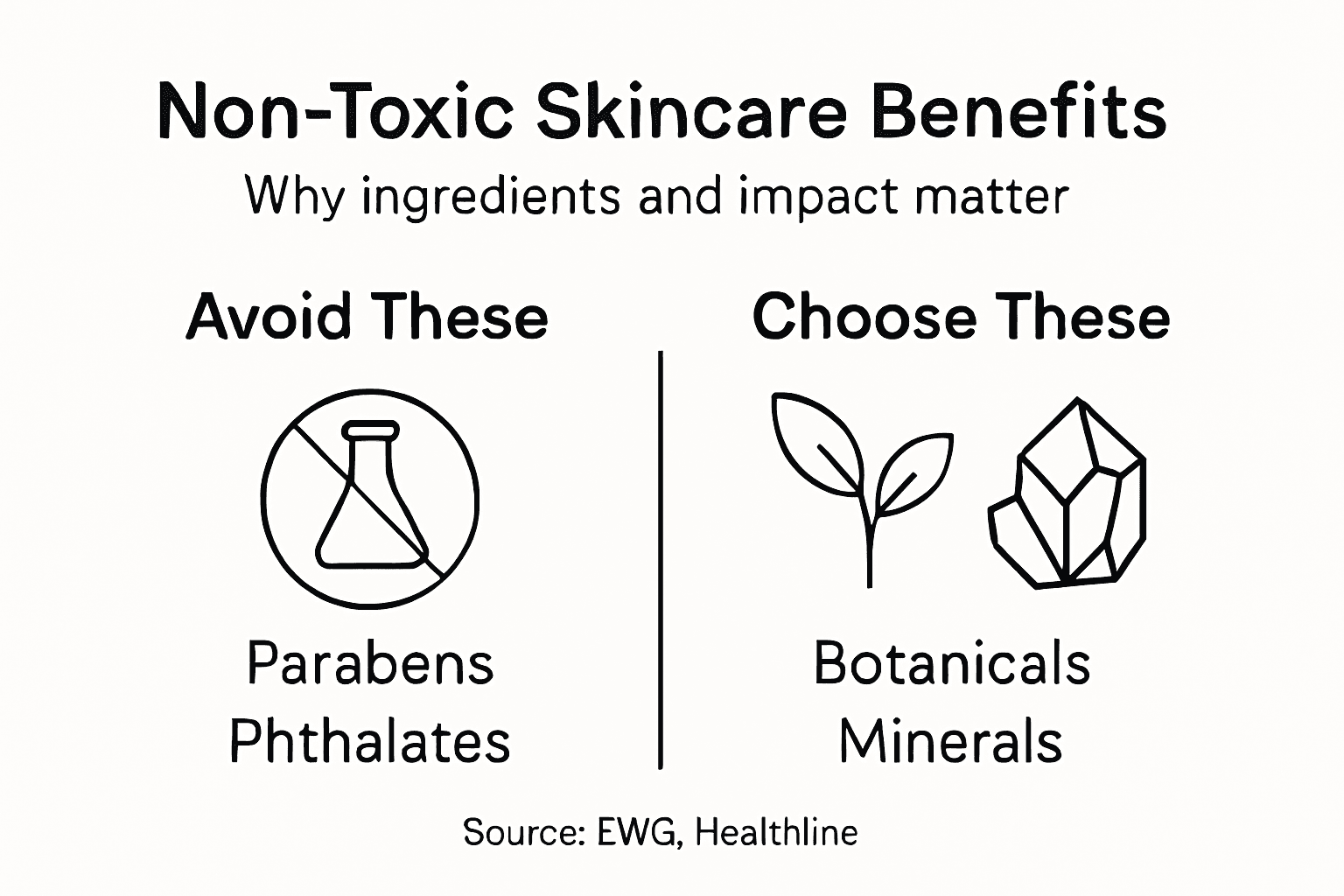
Equally important is understanding what to exclude from formulations. Conventional skincare has long relied on parabens as preservatives, but many consumers now actively avoid them due to concerns about hormone disruption. Phthalates, commonly found in fragrances and plasticizers, accumulate in body tissues and carry potential health risks. Oxybenzone, a chemical sunscreen ingredient, absorbs into the skin and can trigger allergic reactions or endocrine disruption in certain individuals. When you’re developing your own skincare line or choosing products to carry in your business, avoiding these ingredients demonstrates a commitment to genuine safety. However, the removal of these ingredients requires replacing them with effective alternatives. This is where formulation science becomes essential. You need preservative systems that actually protect products from microbial growth without synthetic preservatives. Natural preservative options exist, but they require precise knowledge about their effectiveness ranges, pH compatibility, and shelf stability implications.
Different formulation types serve different purposes, and non-toxic skincare encompasses several categories. Oil-based serums deliver concentrated nutrients and work beautifully for dry or mature skin types. Water-based gels provide lightweight hydration ideal for oily or combination skin. Cream formulations balance oil and water components to create products with rich texture and lasting nourishment. Toners and essences prep skin for other products and can range from hydrating to exfoliating depending on their active ingredients. Face soaps and cleansers must be formulated carefully to remove debris without stripping natural skin oils. Each formulation type requires different ingredient combinations and manufacturing processes. For small beauty entrepreneurs working with private label manufacturers or developing your own products, understanding these distinctions helps you create lines that address specific skin concerns authentically. A brightening toner needs different ingredients than a calming serum, and both require different preservation and stability considerations.
The relationship between ingredients and formulation stability cannot be overlooked. When you combine natural oils, botanical extracts, and water without proper emulsifiers and preservatives, products separate, spoil, or lose efficacy within weeks. This creates a real challenge for non-toxic brands because many synthetic emulsifiers and stabilizers have fallen out of favor. Natural alternatives exist, such as lecithin or certain gums, but they require expertise to use effectively. You might develop a beautiful formula that feels luxurious in the jar but oxidizes and becomes rancid within three months. This is why many successful non-toxic skincare brands work closely with experienced formulators who understand how to balance effectiveness, safety, and stability. When you’re evaluating products or considering starting your own brand, ask manufacturers specific questions about preservative systems, shelf life testing, and oxidation prevention methods. The most transparent and trustworthy brands can articulate exactly how they maintain product integrity without relying on questionable chemicals.
Pro tip: Request a stability report and shelf life data from any manufacturer you work with, and look for products that have been tested for microbial contamination and oxidation to ensure you’re getting formulations that perform consistently throughout their lifespan.
Here’s a summary highlighting safe and risky ingredient choices for non-toxic and conventional skincare:
| Ingredient Type | Common Examples | Health Impact | Usage Notes |
|---|---|---|---|
| Nourishing Naturals | Shea butter, almond oil | Moisturize, soothe, protect | Support skin barrier, low risk |
| Harsh Preservatives | Parabens, formaldehyde | Endocrine disruption, cancer | Avoid for safer alternatives |
| Gentle Alternatives | Vitamin E, beeswax | Antioxidant and mild preservative | Used in non-toxic formulations |
| Harmful Synthetics | Phthalates, silicones | Hormonal imbalance, pollution | Avoid in clean beauty efforts |
How Non-Toxic Skincare Supports Health
Your skin is your body’s largest organ, and what you apply to it matters far more than many people realize. When you use conventional skincare products filled with synthetic chemicals, those substances don’t just sit on the surface. Triclosan, parabens, and phthalates penetrate through skin layers and enter your bloodstream, where they circulate throughout your body and accumulate in tissues over time. These chemicals have been linked to hormonal imbalances, disrupted endocrine function, and reproductive health concerns. Non-toxic skincare interrupts this cycle by eliminating these harmful compounds entirely. Instead of introducing foreign chemicals into your system daily, non-toxic products nourish your skin with ingredients that your body recognizes and can process safely. The shift from conventional to non-toxic skincare represents a fundamental change in how you approach wellness. You’re not just treating your skin; you’re protecting your entire body from unnecessary chemical exposure.
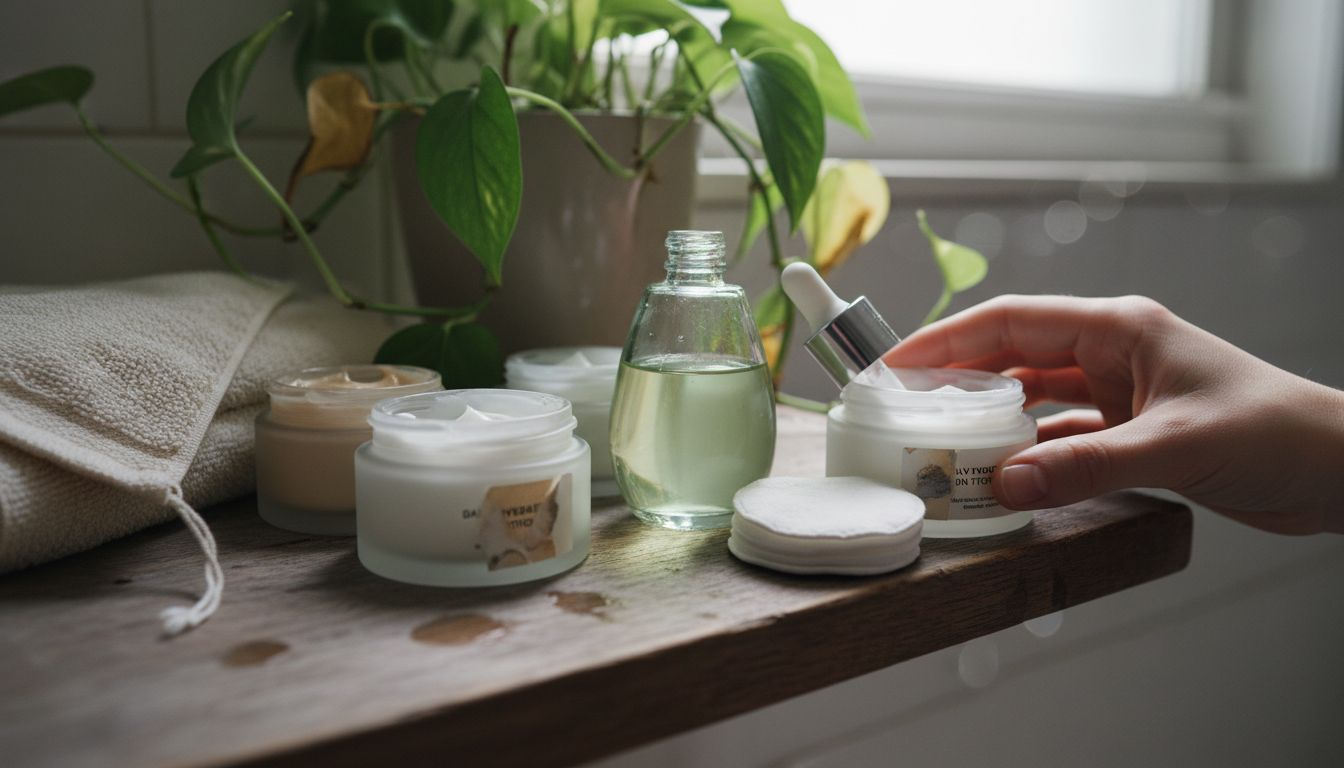
The health benefits extend beyond avoiding harmful chemicals. Reducing exposure to chemicals that disrupt hormones directly impacts your metabolic function, mood regulation, and immune response. When your endocrine system operates without interference from hormone-disrupting chemicals, your body maintains better balance across multiple systems. For women, this means more stable hormonal cycles and potentially fewer menstrual irregularities. For everyone, it means better energy levels, clearer thinking, and improved skin barrier function. Non-toxic skincare supports what dermatologists call the skin’s “microbiome,” the delicate ecosystem of beneficial bacteria living on your skin’s surface. Conventional products with harsh preservatives and antimicrobial agents destroy this microbiome, leaving skin vulnerable to infections and irritation. Natural preservative systems used in non-toxic products maintain this protective ecosystem. Your skin becomes more resilient, less prone to breakouts, and better able to regulate itself. You’ll notice this after switching to genuine non-toxic skincare, usually within two to four weeks as your skin adjusts and its natural functions restore.
Microbial safety represents another critical health dimension often overlooked. Conventional products sometimes harbor dangerous pathogens due to inadequate preservative systems or manufacturing shortcuts. Safer preservative choices and manufacturing standards in non-toxic skincare dramatically reduce the risk of bacterial and fungal contamination. This matters tremendously for people with compromised immune systems, skin conditions like eczema or psoriasis, or those taking medications that affect immune function. Contaminated skincare products can cause serious infections. Non-toxic brands prioritize rigorous testing and quality control because they understand that safety is non-negotiable. For small beauty entrepreneurs launching your own skincare line, implementing robust microbial testing protocols isn’t optional. It’s the foundation of responsible business practice and customer trust. When you source ingredients and formulations from reputable suppliers, you’re ensuring that your customers receive products that actively support their health rather than threaten it.
The wellness connection deepens when you consider the cumulative impact over years. If you’ve been using conventional skincare products since your teens, you’ve likely introduced thousands of doses of endocrine disruptors into your system. Switching to non-toxic skincare at any age begins reversing this accumulation. Your liver gradually processes and eliminates stored chemicals. Your skin becomes more resilient. Your hormonal function stabilizes. The psychological benefit matters too. When you understand exactly what ingredients you’re putting on your body and why, you experience greater agency over your health. You’re making conscious choices aligned with your values, whether you’re an eco-conscious consumer concerned about your personal wellness or a small beauty entrepreneur building a brand you can stand behind. Non-toxic skincare isn’t just about avoiding harm; it’s about actively supporting your body’s natural functions and making wellness a daily practice. You’re investing in yourself.
Pro tip: Track your skin and overall wellness changes for 6 weeks after switching to non-toxic skincare, noting improvements in energy, sleep quality, hormone symptoms, and skin appearance to recognize the tangible health benefits beyond what you see in the mirror.
Environmental and Ethical Impacts
When you choose non-toxic skincare, you’re not just making a decision about what touches your skin. You’re participating in a global movement that impacts ecosystems, wildlife, and communities across the planet. Conventional skincare ingredients create cascading environmental damage that most consumers never consider. Palm oil, widely used in cosmetics for its emollient properties, drives massive deforestation in Southeast Asia, destroying orangutan habitats and contributing to climate change. Many synthetic chemicals in conventional skincare don’t biodegrade, meaning they persist in soil and water systems indefinitely. When you wash your face, residues of oxybenzone and other chemical sunscreen ingredients flow into waterways and damage coral reefs. Microplastics from conventional products accumulate in oceans and eventually enter the food chain. Non-toxic skincare eliminates these environmental threats by relying on biodegradable, sustainably sourced ingredients. When you purchase non-toxic products, you’re voting with your wallet for a skincare industry that respects planetary boundaries.
Ethical considerations extend beyond environmental protection to animal welfare and human rights. The conventional beauty industry has a notorious history of animal testing. Companies test skincare formulations on rabbits, guinea pigs, and other animals to verify safety and efficacy. Non-toxic brands overwhelmingly reject this practice. Cruelty-free certification means no animals were harmed during product development or ingredient sourcing. For eco-conscious consumers, this alignment between personal values and purchasing decisions creates genuine peace of mind. For small beauty entrepreneurs, adopting cruelty-free practices from the beginning builds brand loyalty among consumers who actively seek ethical alternatives. When you develop your skincare line without animal testing, you’re creating a competitive advantage. You’re also honoring the reality that animal testing contradicts modern safety science. Advanced computer modeling and human cell cultures can predict safety outcomes more accurately than animal models ever could. Choosing non-toxic skincare means choosing ingredients that were tested using methods that respect both human and animal life.
The chemical restrictions embodied in legislation like the Toxic-Free Cosmetics Act reflect growing recognition that certain restricted chemicals harm both ecosystems and human health. These restrictions prevent accumulation of persistent, bioaccumulative toxins in the environment and in human bodies. Non-toxic skincare formulations go beyond legal minimums by proactively avoiding substances that pose any potential risk. This approach benefits entire communities, not just individual consumers. When manufacturing facilities use safer ingredients with less toxic runoff, they protect local water sources and the health of workers handling raw materials. Sustainable sourcing practices ensure that ingredient farming doesn’t exploit laborers or destroy ecosystems. Fair trade certifications guarantee that farmers growing botanical ingredients receive fair compensation. When you purchase non-toxic skincare from ethical brands, you’re supporting supply chains that respect human dignity. For beauty entrepreneurs sourcing ingredients or manufacturing products through partners, transparency about supply chain practices becomes a core business value. You can ask manufacturers about their waste management, worker safety protocols, and community impact.
The connection between personal wellness and planetary wellness runs deeper than many realize. Your body and the environment aren’t separate systems; they’re interconnected. Chemicals that harm ecosystems bioaccumulate and eventually affect human health through water contamination and food sources. Choosing non-toxic skincare creates a positive feedback loop. You reduce your personal chemical exposure while simultaneously reducing the pollution that accumulates in shared ecosystems. Multiply this by millions of conscious consumers and small brands choosing ethical practices, and you see genuine environmental transformation. Forests remain standing because companies source ingredients responsibly. Coral reefs stay healthy because fewer chemical sunscreen ingredients pollute oceans. Water systems remain safe because non-toxic formulations break down naturally. Wildlife populations stabilize because habitat destruction for ingredient farming slows. Your individual choice matters far more than skincare companies suggest. You’re part of a movement toward genuine sustainability in beauty.
Pro tip: When evaluating non-toxic brands, research their supply chain transparency, look for third-party certifications like Leaping Bunny or Fair Trade, and prioritize companies that publicly share their environmental impact goals and progress reports.
Risks of Conventional Skincare Products
Conventional skincare products line pharmacy shelves and dominate online retailers, creating a false impression of safety through sheer ubiquity. The reality is far more troubling. Some products contain ingredients so dangerous that they’ve been banned in multiple countries yet remain legal in others. Mercury shows up in certain skin-lightening creams and anti-aging products, particularly those from unregulated manufacturers or sold through informal channels. Mercury accumulates in your body over time, damaging the nervous system, kidneys, and reproductive organs. The problem intensifies for vulnerable populations. Pregnant women using mercury-containing products risk severe fetal damage. Children exposed to these toxins experience developmental delays and neurological problems. Severe poisoning from mercury in skincare happens quietly, often without consumers realizing the source of their symptoms until significant harm has occurred. Many of these dangerous products are illegally manufactured or poorly labeled, making it impossible for consumers to know what they’re actually applying to their skin. The regulatory gaps that allow this to happen reveal a fundamental problem with how the skincare industry operates.
Beyond toxic heavy metals, conventional products damage skin at a cellular level through common irritants and harmful preservatives. Hydrogen peroxide, found in many brightening treatments, disrupts skin cells and destroys the beneficial bacteria that protect your skin barrier. Sodium lauryl sulfate, a foaming agent in cleansers, strips away natural oils and leaves skin vulnerable to infection and irritation. Certain synthetic fragrances contain undisclosed chemicals that trigger allergic reactions ranging from mild itching to severe contact dermatitis. The problem compounds because many skincare products contain irritants that damage the skin barrier, leading to inflammation that worsens existing conditions like acne, eczema, and rosacea. You use a product intended to improve your skin, and it actually makes things worse. This creates a cycle where consumers buy more products trying to fix the damage caused by previous products. Conventional brands profit from this cycle. They formulate products to be mildly irritating enough to trigger a response that users interpret as effectiveness, even when that response indicates damage. After weeks of use, your skin becomes sensitized and reactive. What seemed like an improvement was actually accelerating deterioration.
The long-term accumulation of chemicals from conventional skincare creates systemic health problems that develop silently over years. Parabens mimic estrogen in your body, disrupting hormonal balance and potentially increasing cancer risk with decades-long exposure. Phthalates affect reproductive function and have been linked to decreased sperm quality in men and irregular menstrual cycles in women. Silicones create a barrier on skin that prevents natural moisture regulation, making your skin dependent on continued use. You stop using these products and your skin feels dry and uncomfortable because it has forgotten how to maintain its own hydration. Conventional skincare creates dependency. Formaldehyde releasers, used as preservatives in many products, slowly convert to formaldehyde on your skin, causing chronic low-level exposure to a known carcinogen. Most consumers have no idea they’re exposing themselves to this risk. Product labels don’t clearly indicate these dangers because regulations allow vague ingredient names. Fragrance can hide dozens of undisclosed chemicals. Natural fragrance sounds innocent but may contain allergens or irritants. Preservatives go by technical names most people cannot recognize. You read an ingredients list and think you’re making an informed decision when you’re actually seeing a carefully crafted illusion of transparency.
For small beauty entrepreneurs, understanding these risks becomes a competitive advantage and an ethical imperative. When you formulate with genuine non-toxic ingredients and transparent labeling, you’re building trust with customers who’ve been burned by conventional products. You’re also protecting yourself legally. Companies that knowingly use harmful ingredients face lawsuits and regulatory action. Those that use misleading marketing claims face consumer protection violations. Building your skincare brand on actual safety and efficacy protects your business long-term. When you source sustainable beauty alternatives with transparent ingredients, you’re positioning yourself as a trustworthy alternative to companies that prioritize profit over wellness. Your customers will recommend you because they actually see improvement without side effects. You’ll build a loyal community of repeat customers who value integrity. This matters far more than chasing trends or copying competitor formulations with cheap, harmful ingredients.
Pro tip: Before purchasing any skincare product, use the Environmental Working Group’s Skin Deep database to check ingredient safety ratings, and purchase only from brands that clearly list all ingredients and provide third-party testing documentation.
Alternative Solutions and How to Choose Safely
Choosing non-toxic skincare requires developing a new literacy around product labels and ingredient sourcing. Start by abandoning the assumption that mainstream brands are automatically safe. Instead, treat every product like a puzzle you need to solve before applying it to your skin. The foundation of smart selection begins with transparent ingredient lists. If a brand refuses to disclose what’s in their products or uses vague terms like “proprietary blend,” that’s a red flag. Look for products that name every single ingredient clearly and explain why each one is included. Natural oils like jojoba, argan, and rosehip provide documented benefits for skin hydration and repair. Shea butter and cocoa butter offer nourishment without synthetic additives. Beeswax acts as a natural emollient and preservative. These ingredients appear on ingredient lists in forms you can pronounce and research independently. Avoiding known harmful substances becomes straightforward when you know what to exclude. Products free from parabens, phthalates, sulfates, synthetic fragrances, and oxybenzone eliminate major sources of harm. But absence of bad ingredients alone doesn’t make a product good. You need assurance that what remains actually works.
Third-party certifications provide verification beyond marketing claims. Cruelty-free certifications from organizations like Leaping Bunny guarantee that no animals were harmed in product development or testing. USDA organic certification means ingredients meet stringent agricultural standards and were grown without synthetic pesticides. EWG verification indicates that the Environmental Working Group has independently assessed the product’s safety. Verified cruelty-free certifications and independent safety evaluations reduce your risk of purchasing products with hidden harmful ingredients or unethical practices. When shopping, prioritize products that display multiple legitimate certifications rather than brands making unsubstantiated claims. Understanding how cosmetic labeling regulations work empowers you to identify what information manufacturers must disclose and what gaps might hide problems. The FDA requires ingredient lists, but loopholes remain. Fragrance doesn’t require full disclosure. Inactive ingredients can sometimes be grouped. Manufacturing dates aren’t required, so you might purchase expired products. This is why certification matters more than regulatory compliance alone.
The table below compares third-party certifications relevant to non-toxic skincare and their significance:
| Certification | Verifies | Key Benefit | Suited For |
|---|---|---|---|
| Leaping Bunny | Cruelty-free status | Ethical assurance | Animal-conscious shoppers |
| USDA Organic | Ingredient sourcing | No synthetic pesticides | Organic-focused consumers |
| EWG Verified | Ingredient safety | Lower health risks | Safety-driven buyers |
| Fair Trade | Ethical labor practices | Supports communities | Ethically minded shoppers |
For small beauty entrepreneurs developing your own skincare line or selecting products for private label partnerships, due diligence becomes critical. Request comprehensive documentation from manufacturers covering ingredient sourcing, manufacturing processes, preservative systems, and safety testing results. Ask about supplier audits and quality control protocols. Request certificates of analysis for raw ingredients to verify purity and absence of contaminants. When formulating, work with experienced cosmetic chemists who understand non-toxic preservative systems and can explain how your formulations maintain stability and safety throughout their shelf life. Your sourcing decisions define your brand’s integrity. If you’re private labeling products, verify that manufacturers actually produce what they claim rather than relying on existing formulations. Visit manufacturing facilities when possible to assess quality control and worker conditions. Build relationships with suppliers who share your commitment to safety and ethics. Your reputation depends on every decision in your supply chain.
The practical process of switching to non-toxic skincare involves gradual transition rather than sudden replacement. Your skin adapts to conventional products, so switching everything at once can trigger adjustment reactions. Replace one product at a time, starting with items that directly contact skin longest, like night creams or serums. Give each new product 3 to 4 weeks before evaluating whether it’s working. Some adjustment reactions are normal as your skin detoxifies and rebalances. True negative reactions involve persistent redness, severe itching, or signs of allergic response. If negative reactions occur, discontinue use and patch test the product on a small area before full application. Keep detailed notes about what you use and how your skin responds. This personal data becomes invaluable for identifying products that work specifically for your skin type and concerns. When you find non-toxic products that actually deliver results, you’ve discovered your foundation. Build your routine around those products rather than constantly chasing new trends. Consistent use of quality, non-toxic products produces better results than rotating through dozens of conventional products.
Pro tip: Create a personal ingredient sensitivity list by testing new products one at a time with a 3 to 4 week observation period, and keep a skincare journal noting ingredients, reactions, and results so you can identify patterns and avoid problematic components in future purchases.
Embrace Wellness with Genuine Non-Toxic Skincare Solutions
The challenge many face today is navigating the confusing world of so-called non-toxic skincare where claims often lack transparency and true safety. At Didis Beauty Center we understand your goal to protect your skin and overall health by choosing products crafted with care and supported by authentic ingredient knowledge. Our curated Skin Care Collection - Face Body Oils features thoughtfully formulated items free from harmful chemicals and full of natural goodness to nurture your skin’s microbiome and support hormonal balance.
Take control of your wellness journey now with our reliable Toners Collection: Facial Toners for Skincare designed for effective hydration and gentle care. Whether you are a dedicated consumer or an entrepreneur seeking private label opportunities committed to clean beauty principles, explore how our products and expertise can empower your skin health and business vision. Visit Didis Beauty Center today and start investing in truly safe skincare solutions that honor your body and the planet.
Frequently Asked Questions
What are the benefits of using non-toxic skincare products?
Non-toxic skincare products are formulated without harmful chemicals, reducing the risk of hormonal imbalances, skin irritation, and long-term health issues. They nourish your skin with natural ingredients that your body can process safely, contributing to overall wellness.
How can I identify non-toxic skincare products?
Look for transparent ingredient lists that clearly state all components without vague terms. Avoid products with known harmful substances like parabens, phthalates, and synthetic fragrances. Third-party certifications, such as cruelty-free or organic, can also indicate safer choices.
Are natural ingredients always safe in skincare?
Not necessarily. While many natural ingredients can be beneficial, some can cause allergic reactions or other skin sensitivities. It is important to research individual ingredients and consider patch testing new products before widespread use.
How does switching to non-toxic skincare affect my skin’s health?
Switching to non-toxic skincare can enhance your skin’s natural barrier function, reduce inflammation, and support a healthy skin microbiome. Many users report improvements in their skin’s appearance and overall health within a few weeks of making the switch.
Recommended
- Eco-Friendly Skincare: Why It Matters for You – Didis Beauty Center
- Eco-Friendly Skincare: Why It Matters for You – Didis Beauty Center
- 7 Essential Eco-Friendly Beauty Tips for Natural Skincare – Didis Beauty Center
- 7 Essential Eco-Friendly Beauty Tips for Natural Skincare – Didis Beauty Center
- Specialised Skin Treatments for Various Demographics - The Aesthetics Room
- 7 Key Paraben-Free Haircare Advantages for Healthy Hair – LUXEVA
- Healthy Natural Hair Products: Better Growth and Safety | MyHair
Discourse (0)