
Why choose vegan beauty? Top benefits for skin & planet
Vegan beauty has moved well past the health food store shelf. It’s now a mainstream force reshaping how millions of people shop for skincare, and the people driving that shift aren’t all vegans. In fact, 39% of women buying vegan beauty don’t identify as vegan at all. That tells you something important: this isn’t about a lifestyle label. It’s about wanting products that are safer, more ethical, and genuinely effective. Whether you’re a skincare enthusiast or an entrepreneur building a beauty brand, understanding why vegan beauty is winning over so many people is the first step to making smarter choices.
Table of Contents
- What makes beauty products vegan?
- Why consumers are switching to vegan beauty
- Skin-friendly benefits and effectiveness of vegan beauty
- Environmental & ethical advantages of vegan beauty
- Limitations and challenges of vegan beauty
- How to choose trustworthy vegan beauty brands
- Explore vegan beauty with Didis Beauty Center
- Frequently asked questions
Key Takeaways
| Point | Details |
|---|---|
| Beyond labels | Vegan beauty goes further than cruelty-free by banning all animal ingredients and testing. |
| Proven skin benefits | Clinical studies show vegan cosmetics are effective and gentle, matching traditional options. |
| Ethics impact choices | Mainstream shoppers value vegan beauty for ethical and transparency reasons, not just dietary beliefs. |
| Sustainability matters | Vegan products usually have a lower environmental impact but look for full supply chain responsibility. |
| Smart selections | Certifications, ingredients, and transparency are key to choosing or creating trustworthy vegan beauty products. |
What makes beauty products vegan?
The term “vegan beauty” gets used a lot, but it’s worth being precise about what it actually means. A product is vegan when it contains no animal-derived ingredients AND has not been tested on animals. That second part matters more than most people realize.
Here’s where it gets nuanced. “Cruelty-free” only means no animal testing. A cruelty-free product can still contain beeswax, lanolin (a wax from sheep’s wool), or carmine (a red pigment made from crushed beetles). Vegan beauty, by contrast, excludes animal-derived ingredients and animal testing, giving you a higher level of ethical assurance. You can explore a full vegan beauty definition to understand how these distinctions play out across product categories.
Certification bodies help cut through the noise:
- Vegan Trademark (The Vegan Society): Verifies no animal ingredients and no animal testing at any stage.
- Leaping Bunny: Focuses specifically on cruelty-free testing standards.
- COSMOS Organic: Covers organic and natural claims but doesn’t automatically mean vegan.
“Not all ethical labels are equal. A product can be natural, organic, and cruelty-free without being vegan. Always check the specific certification.”
For consumers who care about inclusive vegan skincare that works across different skin tones and types, these certifications are a reliable starting point.
Why consumers are switching to vegan beauty
The motivations behind the vegan beauty boom are more layered than you might expect. Yes, animal welfare is a big driver. But so is a growing distrust of synthetic chemicals and a desire for ingredient transparency that traditional beauty brands haven’t always offered.
A striking data point: 39% of vegan beauty buyers don’t identify as vegan. That means the market is being shaped largely by people who simply want better products, not by ideological commitment alone.
The top reasons consumers are making the switch:
- Ethical assurance: Knowing no animals were harmed in production.
- Ingredient transparency: Shorter, more recognizable ingredient lists.
- Skin sensitivity: Plant-based formulas tend to have fewer synthetic irritants.
- Environmental concern: A desire to reduce personal environmental impact.
- Trust in certifications: Third-party verification builds confidence in brand claims.
Exploring the full range of types of vegan skincare available today shows just how broad this category has become, from cleansers and toners to serums and SPF. Brands that prioritize ethical sourcing for vegan beauty are also gaining loyalty from consumers who want the full picture, not just a label.
Skin-friendly benefits and effectiveness of vegan beauty
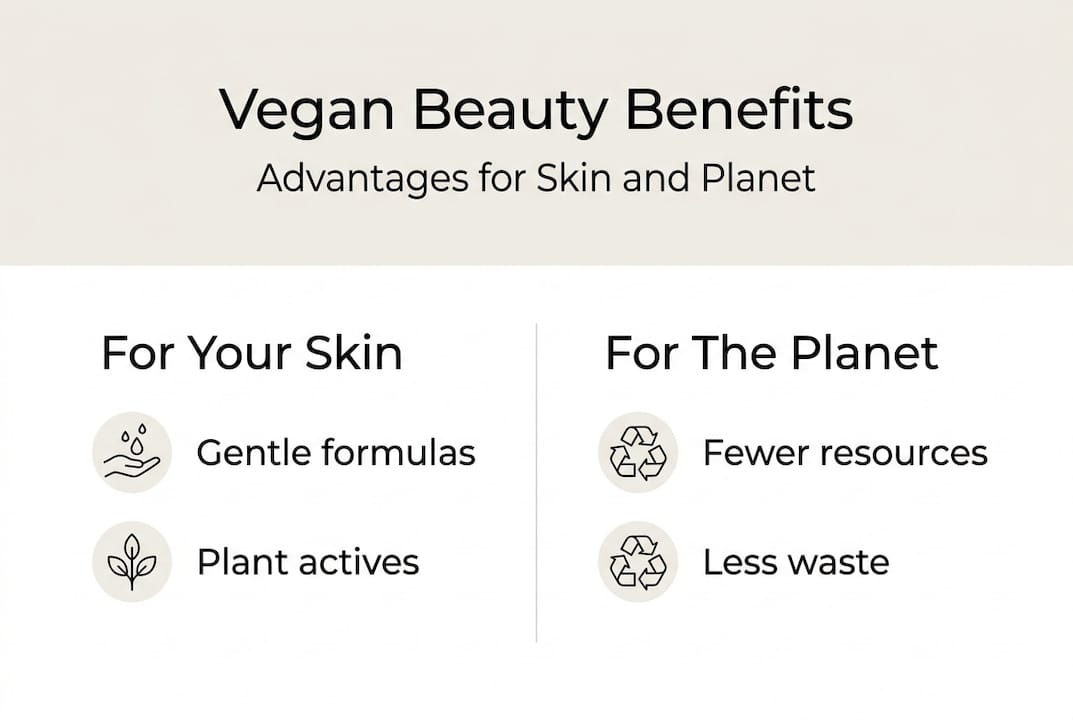
Skeptics often ask: do vegan products actually work as well? The clinical evidence is increasingly clear. Plant-derived materials show safety and efficacy comparable to animal-derived ingredients, with no irritation in clinical tests. That’s not marketing copy. That’s peer-reviewed research.
One of the best examples is bakuchiol (pronounced buh-KOO-chee-ol), a plant extract from the babchi plant. Studies confirm that bakuchiol equals retinol in anti-aging performance but causes significantly less redness and peeling. For anyone who has struggled with retinol sensitivity, that’s a meaningful upgrade.
| Ingredient | Source | Benefit | Irritation risk |
|---|---|---|---|
| Bakuchiol | Plant (babchi) | Anti-aging, firming | Low |
| Retinol | Animal-derived (liver) | Anti-aging, cell turnover | Moderate to high |
| Plant peptides | Soy, pea, rice | Hydration, firmness | Very low |
| Hyaluronic acid | Vegan (fermented) | Deep hydration | Very low |
| Collagen (vegan) | Algae, plant-based | Skin support | Low |
Plant peptides, derived from sources like soy and pea protein, are another standout. They signal the skin to produce more of its own collagen, which supports firmness and elasticity over time. This is especially valuable for people with sensitive or reactive skin who can’t tolerate harsher actives.
Pro Tip: Layer your plant-based actives strategically. Apply lighter serums (like hyaluronic acid) before heavier ones (like bakuchiol oil). This maximizes absorption and lets each ingredient do its job without competing. You can find a step-by-step approach in this vegan beauty results guide.
Environmental & ethical advantages of vegan beauty
Your skincare routine has a footprint. Vegan beauty generally keeps that footprint smaller. Vegan skincare uses fewer resources and produces less pollution than conventional beauty, largely because it sidesteps the resource-heavy processes tied to animal agriculture.

| Factor | Conventional beauty | Vegan beauty |
|---|---|---|
| Animal testing | Often required | Excluded by definition |
| Animal agriculture impact | High | Minimal |
| Synthetic irritants | Common | Reduced |
| Water usage | Higher | Generally lower |
| Packaging transparency | Variable | Often prioritized |
That said, not all vegan products are equally sustainable. A vegan serum packaged in single-use plastic with ingredients shipped across three continents isn’t doing the planet many favors. The key factors to watch:
- Packaging: Look for recycled, refillable, or biodegradable options.
- Sourcing: Locally or regionally sourced ingredients reduce transport emissions.
- Certifications: Brands with vegan beauty certifications are more likely to be transparent about their full supply chain.
- Brand values: Does the company publish sustainability reports or ingredient sourcing policies?
This principle extends beyond skincare. Even in adjacent categories like hair extensions, ethically sourced hair is becoming a benchmark for conscious consumers.
Pro Tip: When evaluating a brand’s sustainability, look beyond the product itself. Check their website for packaging commitments, carbon offset programs, or partnerships with environmental organizations. A truly ethical brand is transparent about the whole picture.
Limitations and challenges of vegan beauty
Honesty matters here. Vegan beauty has real limitations, and pretending otherwise doesn’t help anyone make good decisions.
- Collagen replication is hard. Animal-derived collagen has a molecular structure that’s difficult to replicate exactly with plant sources. Vegan collagen boosters work differently, stimulating the skin’s own production rather than delivering collagen directly.
- Texture and performance gaps exist. Some emulsifiers and thickeners derived from animals create textures that plant alternatives haven’t fully matched yet.
- Higher production costs. Sourcing certified vegan ingredients and investing in R&D to replace animal-derived components costs more. Those costs often pass to the consumer.
- Brand instability. Some vegan brands have struggled due to performance perceptions and the financial pressure of reformulating existing products.
- Innovation pressure. Entrepreneurs face formulation challenges and need continuous investment in plant-based substitutes to stay competitive.
“Customers care about efficacy as much as ethics. A product that doesn’t perform won’t survive on ethics alone, no matter how clean the label.”
For entrepreneurs, this is actually useful information. The brands that succeed in vegan beauty are the ones that treat performance as non-negotiable, not a secondary concern. Understanding the challenges in vegan cosmetics helps you build a brand that lasts.
How to choose trustworthy vegan beauty brands
Navigating the vegan beauty market confidently comes down to a few consistent habits. Whether you’re shopping for yourself or sourcing products for a brand, these steps apply.
Vegan beauty appeals to ethics-driven consumers who want cruelty-free and sustainable options backed by real certifications. Here’s how to find brands that actually deliver:
- Check for recognized certifications. The Vegan Trademark and Leaping Bunny are the most reliable. Don’t accept “vegan-friendly” as a substitute for actual certification.
- Read the full ingredient list. Common animal-derived ingredients to watch for include beeswax, lanolin, keratin, gelatin, and carmine.
- Research the brand’s sourcing practices. A brand committed to ethics will tell you where their ingredients come from. If that information isn’t available, that’s a red flag.
- Look at packaging choices. Sustainable packaging signals that a brand thinks beyond the formula.
- For entrepreneurs: Test your products rigorously for performance before launch. Communicate your certifications and sourcing clearly. Customers who care about ethics also care about proof.
Knowing how to source vegan skincare from ethical suppliers is one of the most important skills for anyone building in this space. It protects your brand and your customers.
Explore vegan beauty with Didis Beauty Center
Ready to put this knowledge into practice? Whether you’re looking for high-performance vegan skincare for your own routine or you’re an entrepreneur ready to build a cruelty-free brand, Didis Beauty Center has you covered.
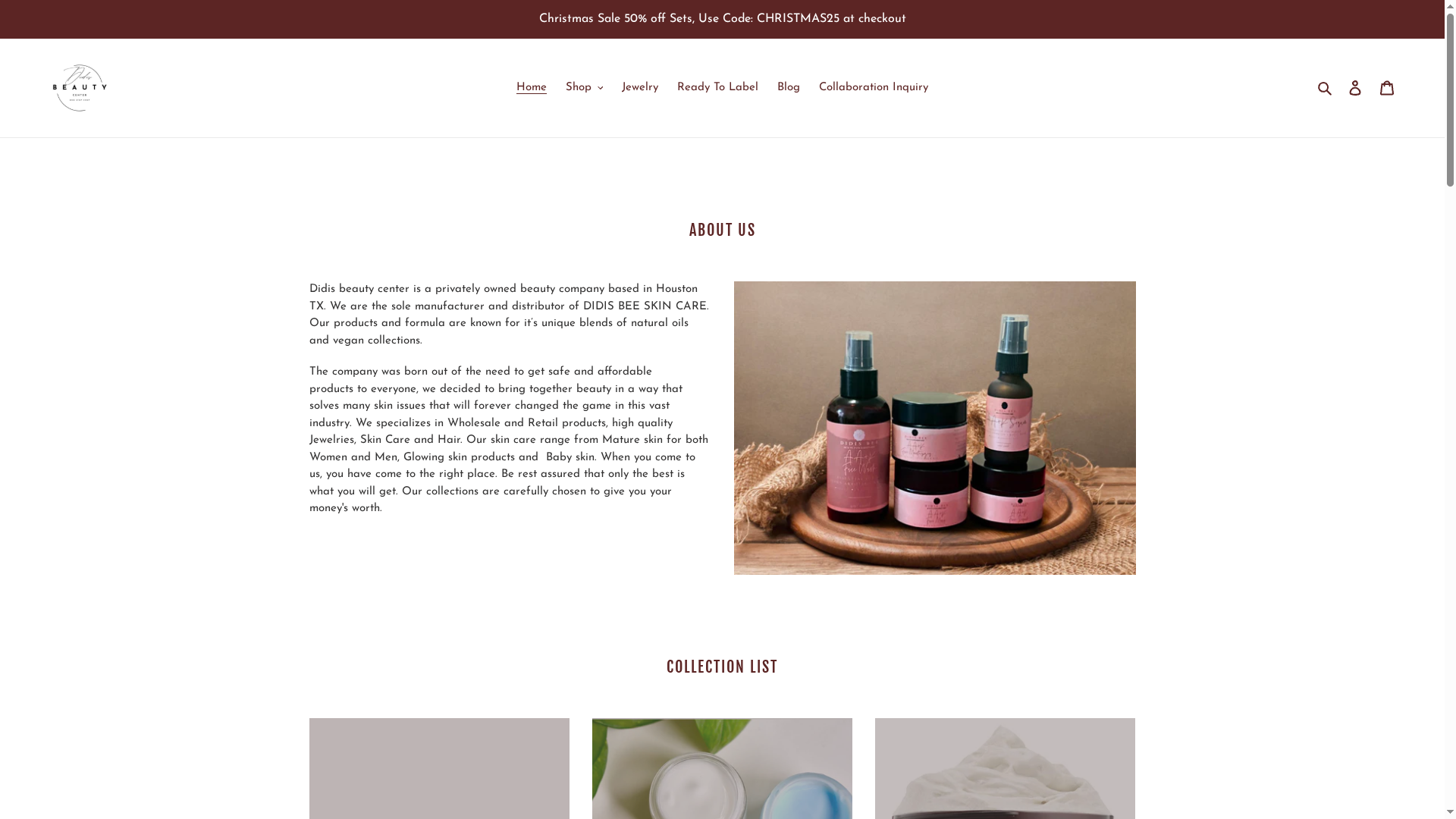
Our product line is built around natural, vegan formulations that meet real skin needs without compromising on ethics. From brightening toners to face soaps and ready-to-label packs, every product is designed with both effectiveness and transparency in mind. If you’re thinking bigger, our private label vegan beauty program gives entrepreneurs a clear path to launching their own certified vegan line. Explore our full range of vegan beauty brand solutions and take the next step toward a beauty business built on values that last.
Frequently asked questions
Are vegan beauty products suitable for all skin types?
Yes. Vegan formulas rely on gentle plant-based ingredients that tend to have fewer synthetic irritants, making them a strong choice for sensitive, dry, and oily skin alike.
How can I tell if a beauty product is truly vegan?
Look for the Vegan Trademark or Leaping Bunny certification, and check the ingredient list for animal-derived substances. Products that exclude animal-derived ingredients and animal testing meet the full vegan standard.
Do vegan beauty products perform as well as non-vegan ones?
Clinical research confirms that plant-derived materials show efficacy comparable to animal-derived ingredients, and some vegan alternatives like bakuchiol are actually gentler while delivering the same results.
Are vegan beauty products more sustainable?
Generally yes, but it depends on the full picture. Vegan beauty has a lower resource footprint than conventional beauty, but packaging choices and supply chain practices also matter significantly.