


Choosing between homemade skincare and store-bought brands can feel confusing for anyone passionate about natural beauty. For eco-conscious creators and ambitious entrepreneurs, DIY beauty is much more than mixing ingredients at your kitchen table. It is a hands-on journey that celebrates personalized formulations and plant-based ingredients, blending creativity with mindful self-care. This guide clears up myths, explains project benefits, and shows how DIY methods support both healthy skin and sustainable business goals.
Table of Contents
- Defining DIY Beauty and Common Myths
- Types of DIY Beauty Projects and Their Uses
- Benefits of Natural Vegan Ingredients in DIY Skincare
- Essential Safety and Legal Considerations
- Risks, Challenges, and What to Avoid
- Comparing DIY to Commercial Beauty Products
Key Takeaways
| Point | Details |
|---|---|
| DIY Beauty Focuses on Personalization | Individuals can create customized skincare products, allowing for creativity and control over ingredients. |
| Safety and Research are Essential | Understanding safety protocols and conducting ingredient research is crucial to prevent contamination and ensure product efficacy. |
| DIY is a Complement, Not a Replacement | DIY products can enhance personal care routines but should not completely replace professionally formulated skincare solutions. |
| Natural Ingredients Offer Many Benefits | Using vegan and natural ingredients can lead to improved skin health and environmental sustainability while minimizing chemical exposure. |
Defining DIY Beauty and Common Myths
DIY Beauty represents a creative, hands-on approach to crafting personalized skincare solutions using accessible ingredients and home tools. DIY beauty is an emerging hobby that empowers individuals to experiment with customized beauty formulations outside traditional commercial product lines.
At its core, DIY beauty isn’t about replacing professional skincare products, but rather exploring personal creativity and understanding ingredient interactions. This approach allows beauty enthusiasts to:
- Create small batch skincare products
- Customize formulations to personal preferences
- Understand ingredient functionality
- Reduce packaging waste
- Control ingredient quality
Contrary to popular misconceptions, DIY beauty isn’t inherently safer or superior to commercial products. Professional formulators invest significant research into product stability, preservation, and effectiveness - elements challenging to replicate at home. The goal is experimentation and personal enjoyment rather than producing professional-grade skincare.
DIY beauty is more about the journey of creation than achieving perfect, marketable products.
Key distinctions between DIY and commercial beauty include ingredient sourcing, preservation techniques, and scientific testing. While home enthusiasts can create wonderful products, they should approach DIY beauty as a complementary hobby rather than a complete replacement for professionally developed skincare.
Pro tip: Start your DIY beauty journey by mastering simple recipes like facial masks or body scrubs, and always patch test new formulations carefully.
Types of DIY Beauty Projects and Their Uses
DIY Beauty Projects represent a creative spectrum of personal care solutions that allow individuals to craft customized skincare and beauty products at home. DIY beauty encompasses a wide range of product types designed to meet diverse personal care needs while encouraging experimentation and self-expression.
The most common DIY beauty project categories include:
-
Facial Care Projects
- Face masks
- Toners
- Scrubs
- Moisturizing creams
-
Body Care Projects
- Body lotions
- Exfoliating scrubs
- Natural deodorants
- Body butters
-
Makeup and Cosmetic Projects
- Lip balms
- Foundation
- Mascara
- Blush
-
Hair Care Projects
- Hair masks
- Leave-in conditioners
- Hair oils
- Styling products
Each project type serves specific skincare purposes, from hydration and cleansing to nourishment and cosmetic enhancement. The appeal lies in controlling ingredient quality, reducing packaging waste, and tailoring products to individual skin types and preferences.
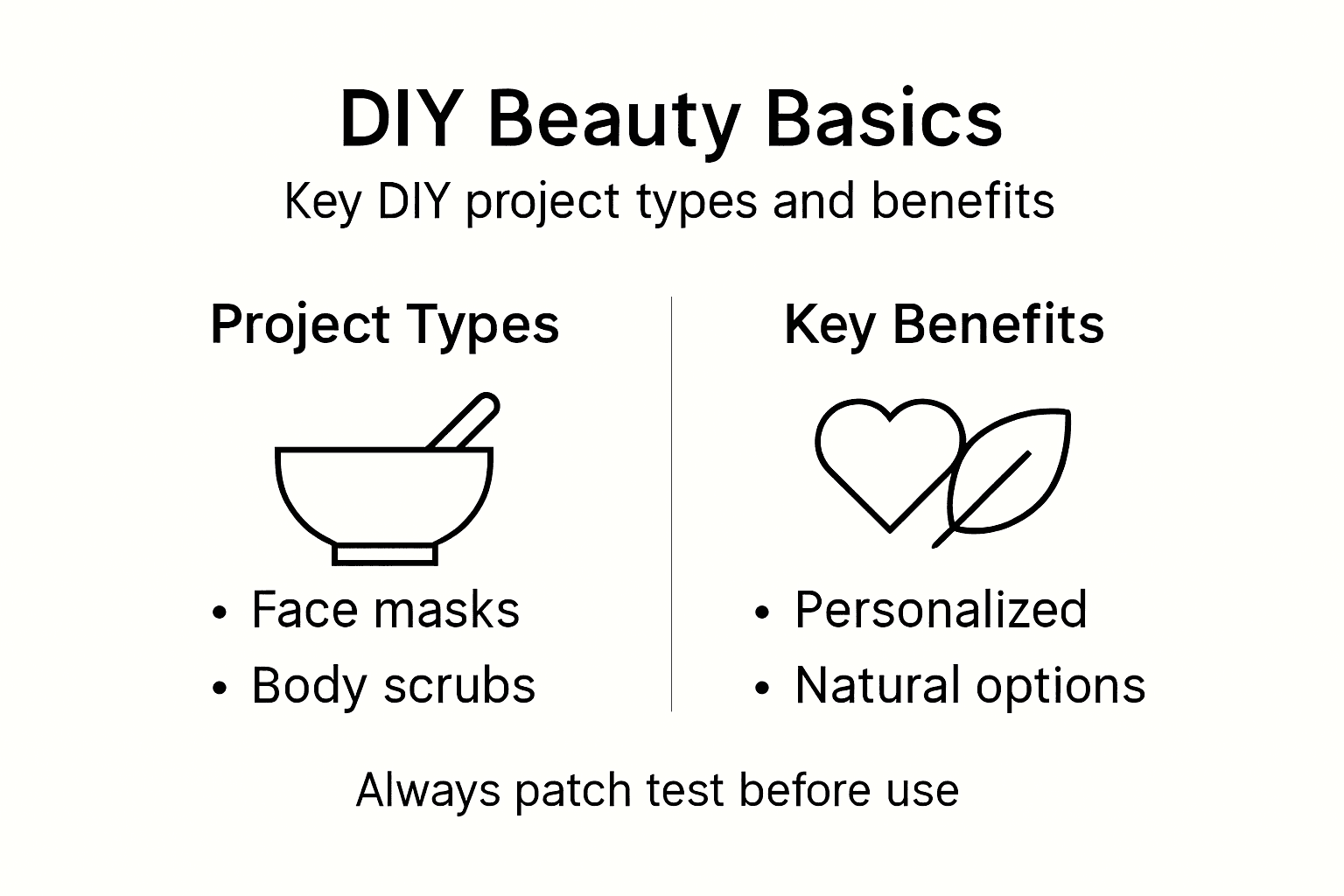
Here’s a concise comparison of common DIY beauty project types and their main uses:
| Project Type | Typical Purpose | Customization Level | Popular Ingredients |
|---|---|---|---|
| Facial Care | Cleansing, hydration | High | Clay, oils, botanical extracts |
| Body Care | Nourishment, exfoliation | Medium | Sugar, salt, natural butters |
| Makeup & Cosmetics | Color, enhancement | Variable | Beeswax alternatives, pigments |
| Hair Care | Strengthening, shine | Moderate | Coconut oil, herbal infusions |
DIY beauty projects transform personal care into a creative, empowering experience.
While these projects offer exciting opportunities for customization, home enthusiasts should approach formulation with careful research and understanding of ingredient interactions. Professional guidance and thorough ingredient knowledge are crucial for creating safe and effective beauty products.
Pro tip: Start with simple recipes, invest in high-quality ingredients, and always conduct patch tests before using new homemade skincare formulations.
Benefits of Natural Vegan Ingredients in DIY Skincare
Vegan skincare ingredients offer a powerful approach to personal care that combines ethical considerations with exceptional skin health benefits. Natural and plant-based ingredients provide remarkable skincare advantages, delivering comprehensive nourishment while supporting environmental sustainability.
Key benefits of natural vegan ingredients include:
-
Skin Nourishment
- Rich in antioxidants
- Promotes cellular regeneration
- Provides deep hydration
- Supports natural skin barrier
-
Holistic Health Advantages
- Minimizes chemical exposure
- Reduces environmental impact
- Supports ethical production
- Avoids animal-derived ingredients
-
Performance Benefits
- Anti-inflammatory properties
- Natural anti-aging effects
- Enhanced skin healing
- Balanced nutrient delivery
Botanical extracts and marine algae emerge as particularly potent ingredients, offering multifunctional benefits that synthetic compounds often cannot replicate. These natural ingredients work synergistically to address various skin concerns while maintaining gentle, sustainable interactions with human physiology.
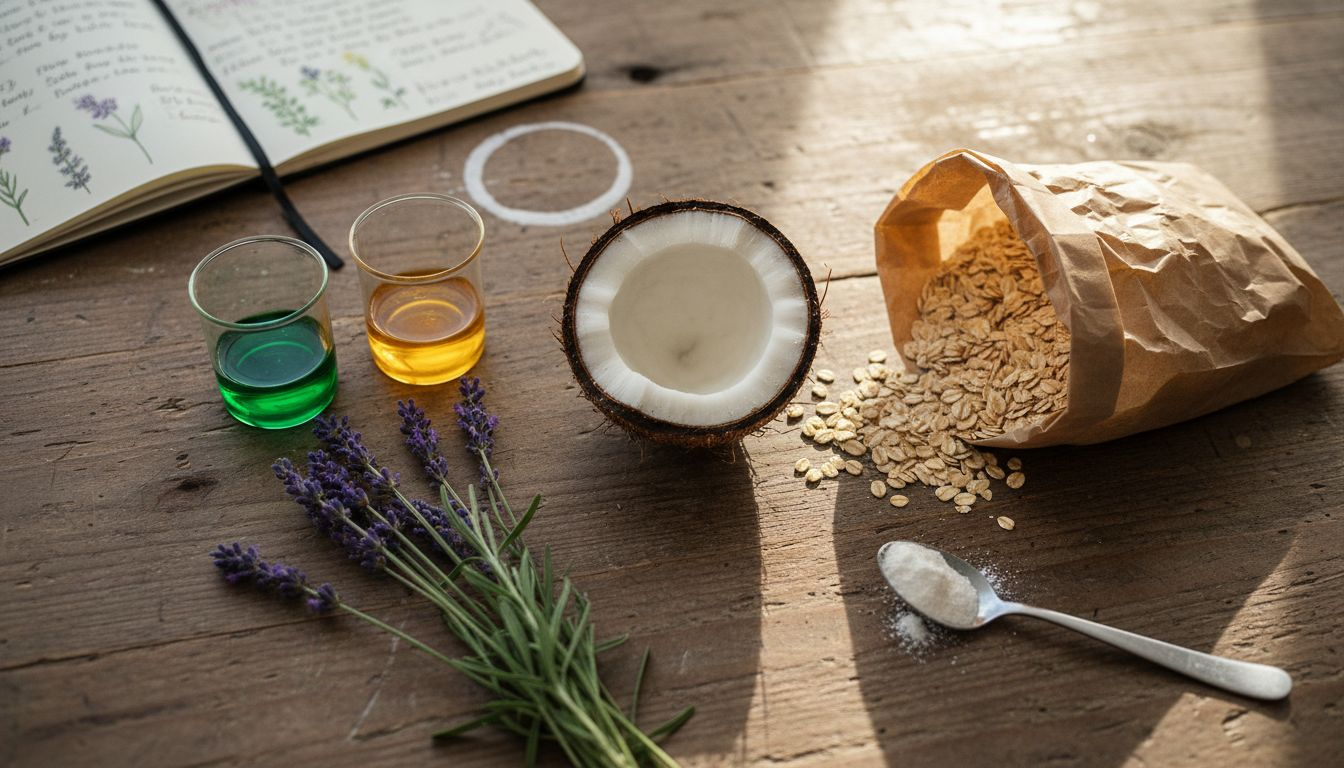
This summary highlights how natural vegan ingredients support skincare goals:
| Benefit Area | How Vegan Ingredients Help | Example Ingredient |
|---|---|---|
| Skin Nutrition | Deliver antioxidants, minerals | Jojoba oil, marine algae |
| Sustainability | Reduce ecological impact | Aloe vera, shea butter |
| Ethical Production | Avoid animal-derived sources | Plant extracts, seed oils |
| Healing Properties | Calm redness, aid repair | Calendula, chamomile |
Natural vegan ingredients transform skincare from a cosmetic routine into a holistic wellness practice.
Understanding ingredient interactions and sourcing high-quality botanical components is crucial for creating effective DIY skincare formulations. Home enthusiasts should research each ingredient’s specific properties and potential synergies to maximize their skincare potential.
Pro tip: Research individual plant-based ingredients thoroughly, start with small batches, and document your formulation process to refine your DIY skincare approach.
Essential Safety and Legal Considerations
DIY Beauty requires a comprehensive understanding of safety protocols and legal regulations to protect both creators and potential consumers. Cosmetics regulations impose strict quality and safety standards that apply equally to commercial and homemade skincare products, emphasizing the critical importance of responsible formulation.
Key safety considerations for DIY beauty projects include:
-
Ingredient Management
- Verify ingredient purity
- Check for potential allergens
- Understand interactions between components
- Source from reputable suppliers
-
Hygiene Protocols
- Sterilize all equipment
- Use clean, dedicated workspace
- Maintain strict personal hygiene
- Prevent cross-contamination
-
Documentation Requirements
- Record precise formulations
- Track ingredient sources
- Document batch preparation
- Keep safety test results
-
Legal Compliance
- Accurate ingredient labeling
- Understand local regulations
- Disclose potential allergens
- Avoid medical claims
The complexity of DIY beauty extends beyond simple recipe creation. Home enthusiasts must approach formulation with the same rigor as professional manufacturers, understanding that personal safety and legal compliance are paramount.
Safety in DIY beauty is not optional - it’s an absolute necessity.
While the creative process is exciting, DIY skincare creators must prioritize comprehensive research, meticulous documentation, and adherence to established safety guidelines. This approach transforms DIY beauty from a casual hobby into a responsible, potentially professional endeavor.
Pro tip: Invest in professional-grade testing equipment, maintain detailed production logs, and consider consulting with a cosmetic safety specialist before selling any homemade skincare products.
Risks, Challenges, and What to Avoid
DIY Beauty demands careful navigation through numerous potential pitfalls that can compromise personal safety and product effectiveness. DIY beauty products frequently omit critical safety elements that professional formulations meticulously incorporate, creating significant risks for unsuspecting enthusiasts.
Major risks in DIY skincare include:
-
Contamination Hazards
- Bacterial growth
- Mold development
- Uncontrolled microbial spread
- Lack of preservative systems
-
Ingredient Interaction Risks
- Unexpected chemical reactions
- pH level disruptions
- Skin barrier damage
- Allergic reactions
-
Formulation Challenges
- Inconsistent product quality
- Unstable ingredient combinations
- Ineffective therapeutic outcomes
- Potential skin irritation
-
Technical Limitations
- Insufficient scientific knowledge
- Lack of professional testing
- Complex ingredient interactions
- Limited understanding of skin biology
Professional cosmetic laboratories invest significant resources in ensuring product safety, stability, and effectiveness - elements challenging to replicate in home environments. Social media often glamorizes DIY beauty while obscuring the complex scientific processes required for safe formulation.
DIY beauty without proper knowledge is like performing surgery with kitchen utensils.
Home enthusiasts must recognize that natural ingredients are not inherently safe. Substances like lemon juice or baking soda can severely disrupt skin pH and compromise dermal health. Comprehensive research, professional consultation, and rigorous testing are non-negotiable for responsible DIY skincare creation.
Pro tip: Always conduct thorough ingredient research, perform patch tests, and consult dermatology professionals before introducing any homemade skincare product to your routine.
Comparing DIY to Commercial Beauty Products
Beauty Product Creation represents a nuanced spectrum of approaches, with DIY and commercial strategies offering distinct advantages. DIY beauty products emphasize creativity and personal customization while commercial formulations prioritize scientific precision and consistent performance.
Key comparative aspects include:
-
Ingredient Control
- DIY: Complete ingredient transparency
- Commercial: Standardized ingredient selections
- DIY: Personal ingredient curation
- Commercial: Scientifically validated combinations
-
Cost Considerations
- DIY: Initial high equipment investment
- Commercial: Predictable pricing
- DIY: Potential long-term savings
- Commercial: Economies of scale
-
Safety and Reliability
- DIY: Variable quality control
- Commercial: Rigorous testing protocols
- DIY: Potential contamination risks
- Commercial: Regulatory compliance
-
Customization Potential
- DIY: Unlimited creative expression
- Commercial: Limited personalization
- DIY: Tailored to individual needs
- Commercial: Mass-market solutions
Many consumers find value in a hybrid approach, utilizing DIY techniques for creative exploration while maintaining commercial products as foundational skincare solutions. This balanced strategy allows for personal experimentation without compromising overall skin health.
True skincare wisdom lies in understanding both DIY creativity and professional formulation.
Ultimately, successful skincare depends on understanding individual skin needs, ingredient interactions, and personal wellness goals. While DIY approaches offer exciting possibilities, they should complement rather than completely replace professionally developed skincare products.
Pro tip: Approach DIY beauty as a complementary practice, not a total replacement for professionally formulated skincare, and always prioritize skin health and safety.
Embrace Safe and Natural DIY Beauty with Didis Beauty Center
Struggling to balance creativity with safety in your DIY beauty journey The article highlights the challenges of ingredient knowledge, contamination risks, and the importance of high-quality, natural vegan components. At Didis Beauty Center we understand your goals: to craft effective, personalized skincare products while avoiding the pitfalls of unsafe formulations and unstable recipes. Our curated selection of natural and vegan ingredients plus ready-to-label kits empowers you to experiment confidently without compromising safety or quality.
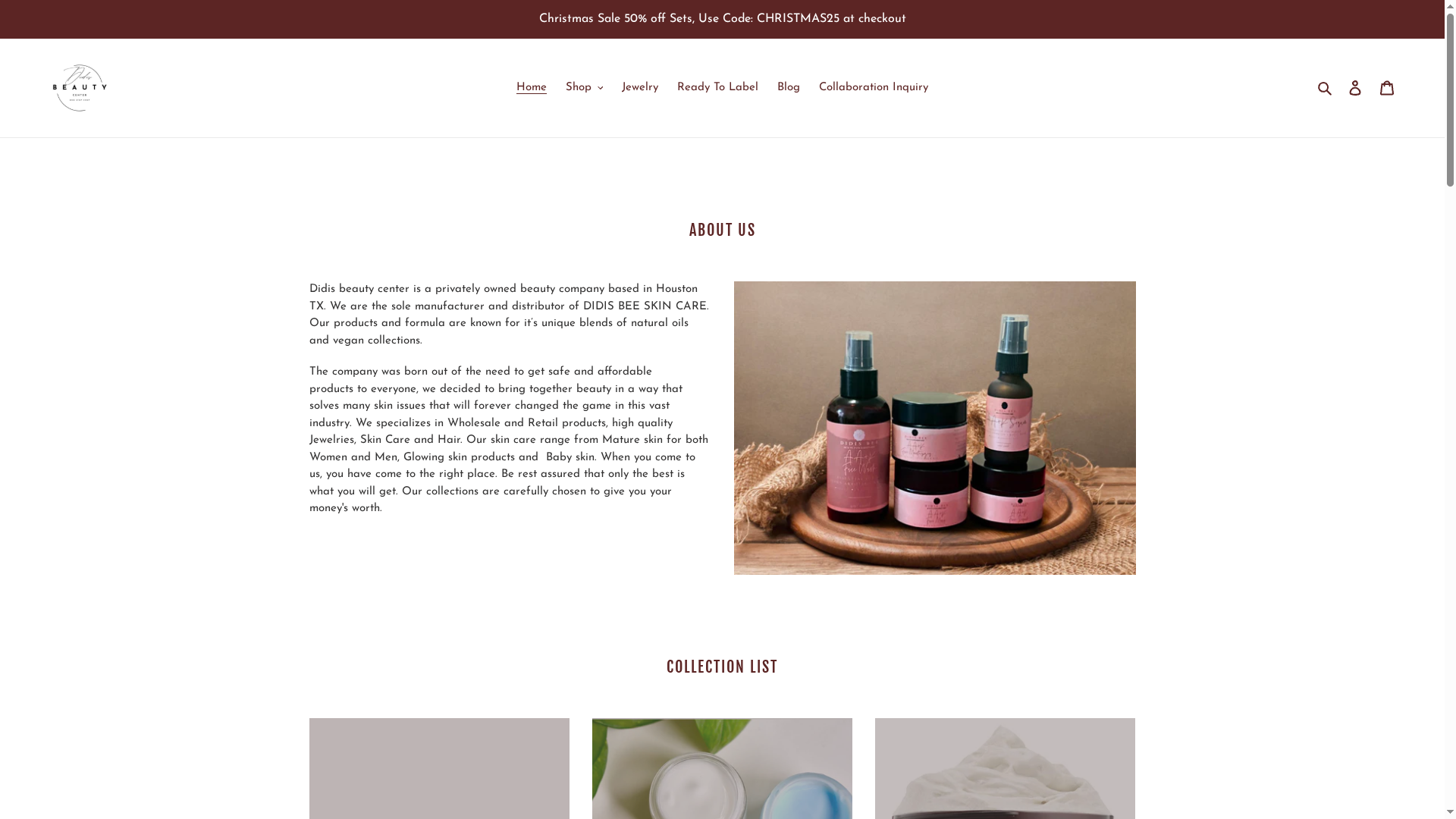
Discover our range of Beauty example products designed for DIY enthusiasts and entrepreneurs who demand transparency and efficacy. Whether you want to create your own facial toners or nourishing body lotions, our collection supports your passion with ethically sourced ingredients and expert formulation guidance. Visit Didis Beauty Center today and take advantage of our seasonal promotions or explore our private labeling options to launch your own brand. Turn your DIY beauty dreams into reality responsibly and with confidence.
Frequently Asked Questions
What is DIY beauty?
DIY beauty is a creative approach to crafting personalized skincare solutions using accessible ingredients and home tools. It encourages individuals to experiment with customized formulations, focusing on personal creativity rather than replacing professional products.
What are the main types of DIY beauty projects?
Common DIY beauty project categories include facial care (face masks, toners), body care (body lotions, scrubs), makeup and cosmetics (lip balms, foundation), and hair care (hair masks, leave-in conditioners). Each category serves specific skincare purposes and allows for customization.
What are the benefits of using natural vegan ingredients in DIY skincare?
Natural vegan ingredients provide numerous benefits, including skin nourishment, reduced chemical exposure, and environmental sustainability. They can deliver antioxidants and support skin healing while avoiding animal-derived components.
What safety precautions should I consider when making DIY beauty products?
When creating DIY beauty products, prioritize ingredient management, hygiene protocols, and thorough documentation. Always verify the purity of ingredients, maintain a clean workspace, and be aware of local regulations to ensure safety and compliance.
Recommended
- Beauty Entrepreneurship: Creating Eco-Conscious Brands – Didis Beauty Center
- Beauty Entrepreneurship: Creating Eco-Conscious Brands – Didis Beauty Center
- Role of Small Businesses in Beauty: Empowering Change – Didis Beauty Center
- Role of Small Businesses in Beauty: Empowering Change – Didis Beauty Center
Discourse (0)