


TL;DR:
- A disciplined workflow from research to launch is essential for success in clean and vegan skincare.
- Advanced technologies like AI, biotech, and upcycling offer speed and quality advantages for indie brands.
- Building repeatable processes and supply chain redundancy ensures long-term growth and brand trust.
Launching a skincare product without a structured workflow is one of the fastest ways to burn through your budget and miss your market window. For natural and vegan formulations specifically, the stakes are even higher because ingredient sourcing, claim verification, and testing requirements add layers that conventional brands never face. Brands that skip even one phase of a disciplined development process risk costly reformulations, regulatory pushback, or launches that simply fall flat. This guide walks you through every stage of an effective workflow, from the tools you need on day one to the advanced technologies reshaping how indie brands compete in 2026.
Table of Contents
- Essential tools and requirements for modern product development
- Step-by-step workflow: From concept to launch
- Troubleshooting common mistakes and workflow pitfalls
- Innovations shaping skincare workflows: AI, biotech, and upcycling
- Optimizing workflows for sustainability and market fit
- A hard-won lesson: What actually determines skincare launch success
- Scale your success with expert skincare development support
- Frequently asked questions
Key Takeaways
| Point | Details |
|---|---|
| Workflow discipline matters | A structured, evidence-based workflow is the key to launching successful skincare products. |
| Testing can’t be skipped | Rushing or skipping real-world stability and user tests leads to most failures. |
| Sustainability is essential | Aligning with clean and sustainable standards is now a market and regulatory necessity. |
| Leverage new tools | AI and biotech can offer advantages, but proven, repeatable systems are just as important. |
Essential tools and requirements for modern product development
Before diving into the step-by-step workflow, let’s ensure you have every critical tool and requirement lined up.
Building a clean or vegan skincare line is not just about swapping out synthetic ingredients. As formulation requirements make clear, natural and vegan products aren’t inherently less stable than conventional ones, but they do require expertise in biotech alternatives, green chemistry, and upcycled ingredients to perform at the same level. That means your toolkit needs to go well beyond a basic lab setup. Understanding clean beauty standards from the start will save you from reformulating halfway through development.
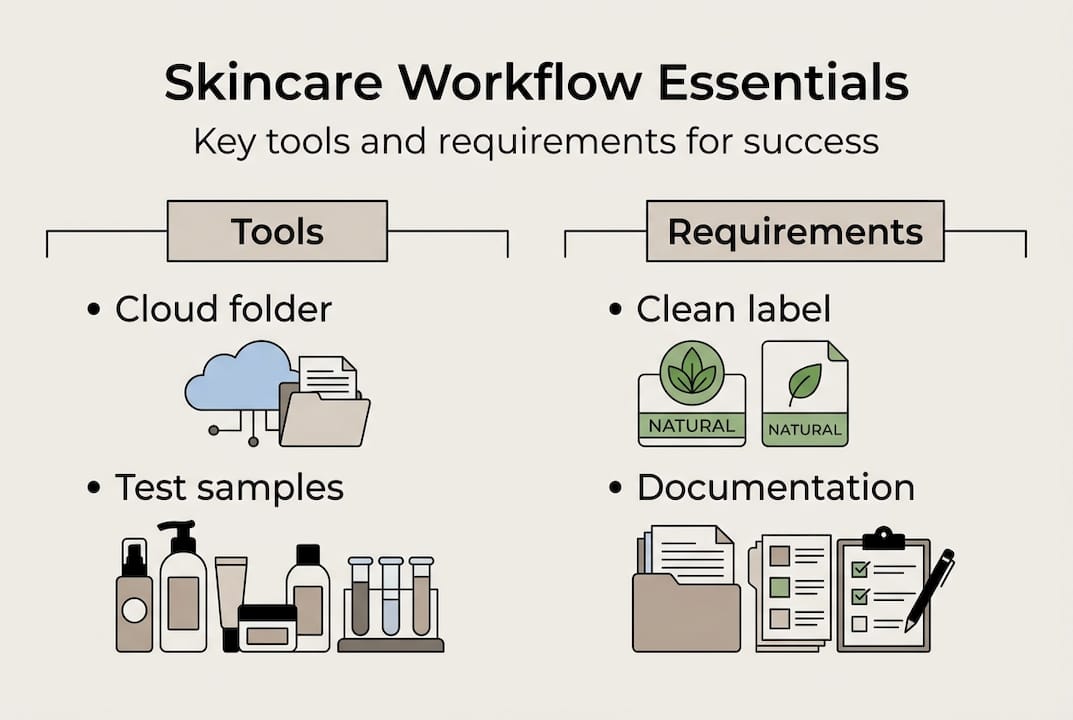
Here’s a quick overview of the core equipment and software that support each workflow stage:
| Stage | Equipment/tool | Purpose |
|---|---|---|
| Formulation | Digital scale, pH meter, homogenizer | Precision mixing and stability checks |
| Documentation | Formulation software (e.g., Chemist Corner) | Batch records, INCI lists, SDS sheets |
| Testing | Stability chamber, microbial testing kit | Shelf-life and safety validation |
| Compliance | Regulatory database (e.g., CosDNA) | Ingredient screening and claim support |
| Supply chain | Supplier management platform | Contract tracking, COA storage |
Beyond physical equipment, you need a set of often-overlooked prerequisites before your first batch:
- Access to a certified third-party testing lab for stability and challenge testing
- Verified supply chain partners who can provide certificates of analysis (COAs)
- A digital records system for ingredient documentation and supplier contracts
- Familiarity with regional regulations (FDA for the US, EU Cosmetics Regulation for exports)
- A clear ingredient exclusion list aligned with your vegan and clean claims
Pro Tip: Set up a shared cloud folder from day one, organized by product SKU, that houses every COA, formulation version, and supplier contract. When regulators or retailers ask for documentation, you’ll respond in hours instead of days.
Step-by-step workflow: From concept to launch
With your tools organized, here’s the exact workflow to follow from first idea to full-market launch.
One of the most important benchmarks to internalize early: development timelines average 18 months from concept to launch, with white-label projects finishing in as little as 6 months and truly innovative formulas taking 3 or more years. Plan your cash flow accordingly.
Here’s the process broken down:
- Market and ingredient research (4 to 8 weeks): Identify your target consumer, analyze competitor gaps, and build your hero ingredient list with sourcing options confirmed.
- Formulation development (8 to 16 weeks): Work with a cosmetic chemist or contract manufacturer to create initial prototypes. For vegan lines, confirm every ingredient’s origin and processing method.
- Internal sample evaluation (2 to 4 weeks): Assess texture, scent, color, and initial performance. Reject or refine before spending on external testing.
- In-home user testing (IHUT) (4 to 8 weeks): Send samples to real consumers. Gather structured feedback on efficacy, sensory experience, and packaging usability.
- Stability and safety testing (12 to 16 weeks minimum): Run accelerated stability tests and a preservative efficacy (challenge) test. Never cut this short.
- Regulatory compliance and claims review (2 to 6 weeks): Validate all label claims, finalize your INCI list, and confirm compliance with target market regulations.
- Branding, packaging, and production (6 to 12 weeks): Finalize packaging design, order production quantities, and confirm your product selection workflow aligns with your go-to-market plan.
- Launch and post-launch monitoring (ongoing): Track sell-through, gather consumer reviews, and monitor for any stability or performance issues in real-world conditions.
| Workflow type | Avg. total time | Key differences | Extra documentation |
|---|---|---|---|
| Traditional | 12 to 18 months | Wider ingredient options | Standard safety file |
| Clean/natural | 18 to 24 months | Green chemistry sourcing | Ingredient origin proof |
| Vegan | 18 to 24 months | No animal derivatives | Vegan certification docs |
Pro Tip: Never compress your stability testing window to hit a launch date. A product that fails on shelf six months post-launch costs far more in recalls and reputation damage than a delayed launch ever would.
Troubleshooting common mistakes and workflow pitfalls
Even with a great workflow, common mistakes threaten the outcome — here’s what to watch for.
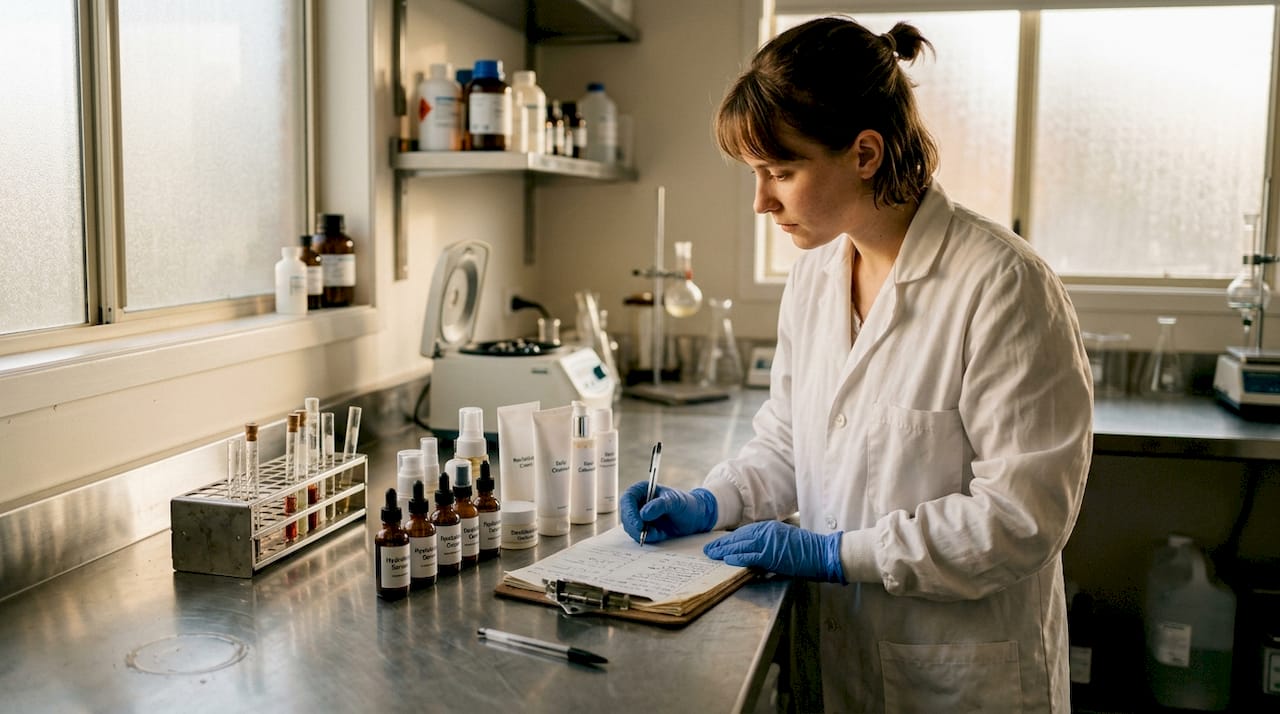
The numbers are sobering. Most new products fail, with poor concept validation and inadequate market research cited as the leading causes. For skincare entrepreneurs, that failure rate is compounded by the complexity of clean and vegan claims, which require documentation that many first-time founders underestimate.
The most common workflow errors include:
- Skipping formal market research and relying on personal preference instead of consumer data
- Making label claims (“anti-aging,” “brightening”) without efficacy test data to support them
- Rushing stability testing to meet a self-imposed launch deadline
- Ignoring real-world IHUT feedback because it conflicts with the original formula vision
- Underestimating lead times for sustainable or specialty packaging
- Failing to vet secondary suppliers before production begins
“Scale your supply chain to handle at least three times your initial demand forecast before you launch. Brands that don’t plan for rapid growth end up with stockouts, reformulation pressure, and broken customer trust.” — Beauty brand scaling insight
One of the most dangerous shortcuts is compressing the minimum stability test window. Accelerated stability testing requires at least 12 weeks under controlled temperature and humidity conditions. Anything shorter gives you incomplete data and real liability exposure.
The sustainable beauty pitfalls that derail clean brands often come down to supply chain fragility. A single ingredient sourced from one supplier with no backup option can halt production entirely. Build redundancy into your sourcing plan before you need it.
Innovations shaping skincare workflows: AI, biotech, and upcycling
With common mistakes covered, let’s look ahead at cutting-edge tools and approaches shaping workflows in 2026.
The biggest shift happening right now is speed at the planning stage. AI in cosmetics planning is cutting market research and concept planning from months to seconds, though full development timelines remain lengthy because formulation and testing can’t be automated away. Think of AI as a force multiplier for the research and strategy phases, not a replacement for the lab.
Here’s how biotech, AI, and upcycling are giving indie brands a real edge:
- AI-powered ingredient research tools can scan thousands of published studies and competitor formulas to surface high-performing, on-trend actives in minutes
- Biotech-derived alternatives (like lab-grown squalane or fermentation-based hyaluronic acid) offer vegan, consistent-quality options that outperform some traditional plant extracts
- Upcycled ingredients (fruit seed oils, coffee extract, berry byproducts) are gaining traction for both sustainability credentials and green chemistry benefits, reducing waste while adding story-driven marketing value
- Digital stability modeling tools can predict early-stage formula risks before physical testing begins, reducing iteration cycles
- Blockchain-based supply chain tracking allows brands to verify ingredient origin claims with audit-ready documentation
The cost-benefit calculation for adopting these tools is straightforward for vegan and clean brands. Your claims require proof. The more you can automate documentation and verification, the lower your compliance overhead. Staying current with eco-conscious beauty trends also signals credibility to retailers and conscious consumers who are increasingly scrutinizing brand transparency.
Optimizing workflows for sustainability and market fit
Finally, to ensure long-term success, let’s optimize your workflow for both sustainability and real-world demand.
Sustainability is no longer a nice-to-have differentiator. 61% of UK consumers actively prefer sustainable brands, and that preference is growing across North American markets too. If sustainability isn’t baked into your workflow from the formulation stage, retrofitting it later is expensive and disruptive.
Here are fast, practical ways to gather real-life feedback and keep your workflow tight:
- Run micro-IHUT panels of 20 to 30 users before committing to full production runs
- Use post-purchase email surveys at the 30-day and 90-day marks to track real efficacy perception
- Monitor ingredient and packaging supplier news quarterly to catch regulatory changes before they affect your formula
- Build a 6-month ingredient buffer for hero actives to insulate against supply disruptions
- Review your formula against updated sustainable market trends annually to stay aligned with evolving retailer standards
The brands that sustain growth aren’t necessarily the most innovative. They’re the ones with repeatable systems. A workflow you can run confidently on your third launch is worth more than a brilliant one-time formula. Balancing innovation with solid, repeatable processes is what separates brands that scale from those that stall after a promising debut. Integrating sustainability in skincare at every stage, from ingredient sourcing to packaging choice, also future-proofs your line against tightening regulations.
A hard-won lesson: What actually determines skincare launch success
Most people assume that money or access to cutting-edge technology is what separates winning skincare brands from the ones that quietly disappear. That’s not what the data shows, and it’s not what we’ve seen in practice either.
The brands that consistently succeed are disciplined about their workflow. They don’t skip IHUT testing because they’re confident in the formula. They don’t compress stability windows because a retail buyer is waiting. They treat every phase of development as non-negotiable, even when the pressure to move faster is real.
Olaplex is a useful example here. Their technical formulation was genuinely innovative, but early growth struggles came from supply chain scaling failures, not from any flaw in the product itself. The formula was right. The process around it wasn’t ready for demand.
The nuances of clean beauty add another layer of discipline requirements. Vague claims, unverified ingredient sourcing, and inconsistent documentation don’t just create regulatory risk. They erode consumer trust in a market segment that runs entirely on transparency.
Our honest advice: build a workflow you can repeat confidently across multiple SKUs, not just one hero product. Chase repeatable excellence over one-time innovation, and your brand will be far more resilient.
Scale your success with expert skincare development support
If you’re ready to turn workflow insights into launch-ready products, here’s a shortcut for expert help.
Putting these workflow principles into practice is significantly easier when you have a reliable development partner behind you. Didis Beauty Center’s private label program is built specifically for entrepreneurs who want to launch clean, natural, and vegan skincare lines without the overhead of building a full in-house development team. From formulation to packaging, the process is designed to compress timelines while keeping quality and compliance intact.
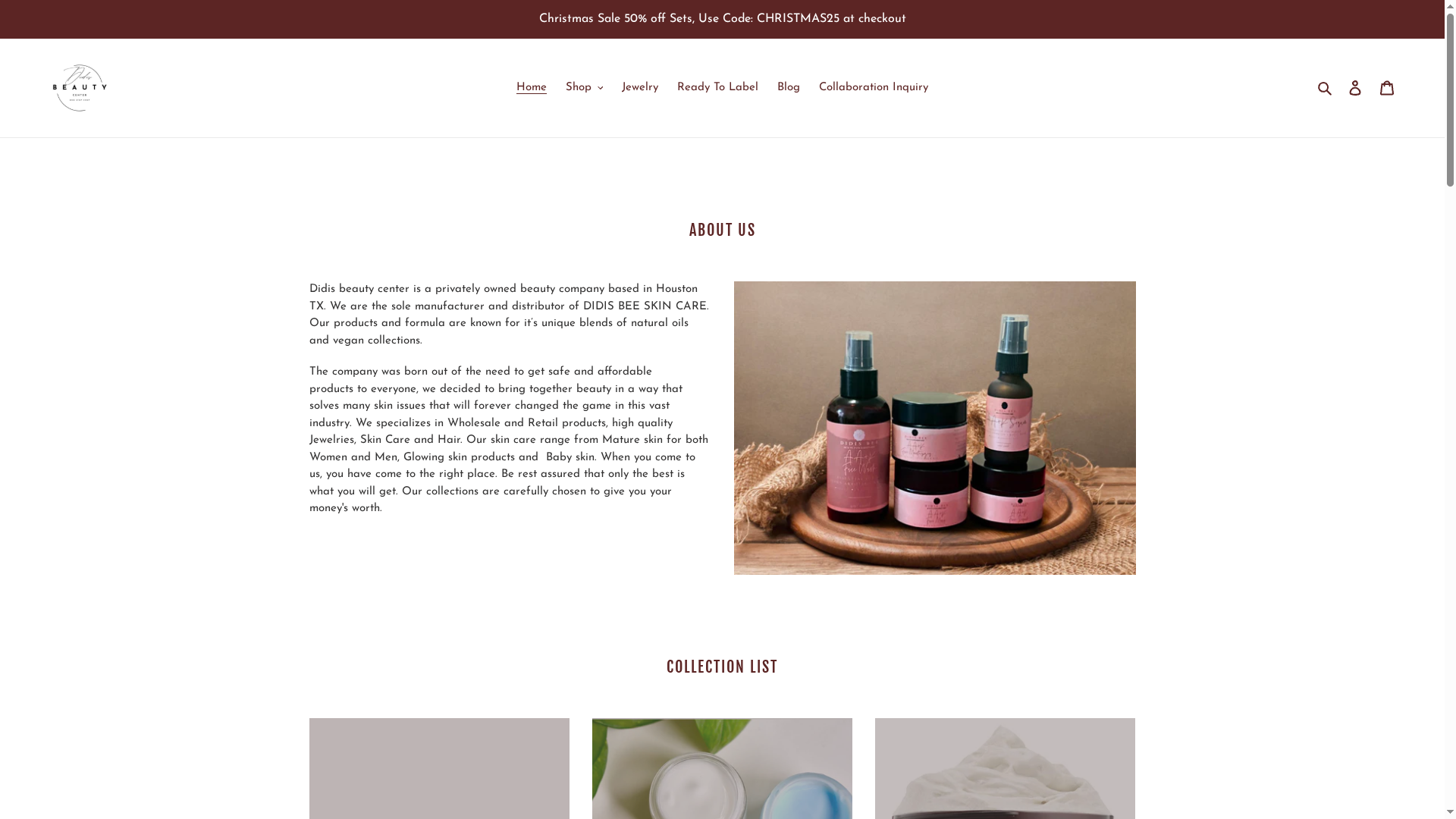
Whether you’re scaling an existing line or launching your first SKU, the private label program gives you access to tested formulas, documentation support, and ready-to-brand packaging. You can also explore the accessory line to round out your brand offering and increase average order value from day one.
Frequently asked questions
How long does skincare product development typically take?
The full process averages 18 months from concept to launch, though white-label projects can finish in 6 months and highly innovative formulas may take 3 or more years.
Is vegan or natural skincare harder to formulate?
Vegan and natural products aren’t less stable than conventional ones, but they require deeper expertise in ingredient sourcing, biotech alternatives, and claim substantiation.
What are the biggest reasons new skincare products fail?
Most new product failures trace back to insufficient market research, skipped user testing phases, or supply chain gaps that couldn’t support launch demand.
Are there shortcuts using AI for development?
AI tools can compress planning and ingredient research from months to minutes, but formulation, stability testing, and regulatory review still require full time investment.
Discourse (0)