


Choosing packaging for eco-friendly, vegan skincare can often feel overwhelming when you want every step of your business to reflect your commitment to the planet. Connecting your brand values with environmentally responsible materials means balancing aesthetics, performance, and compliance with global regulations like those found in the European Union and the United States. This guide highlights sustainable circular packaging strategies that help small beauty brands minimize waste, meet legal requirements, and showcase genuine care for conscious customers.
Table of Contents
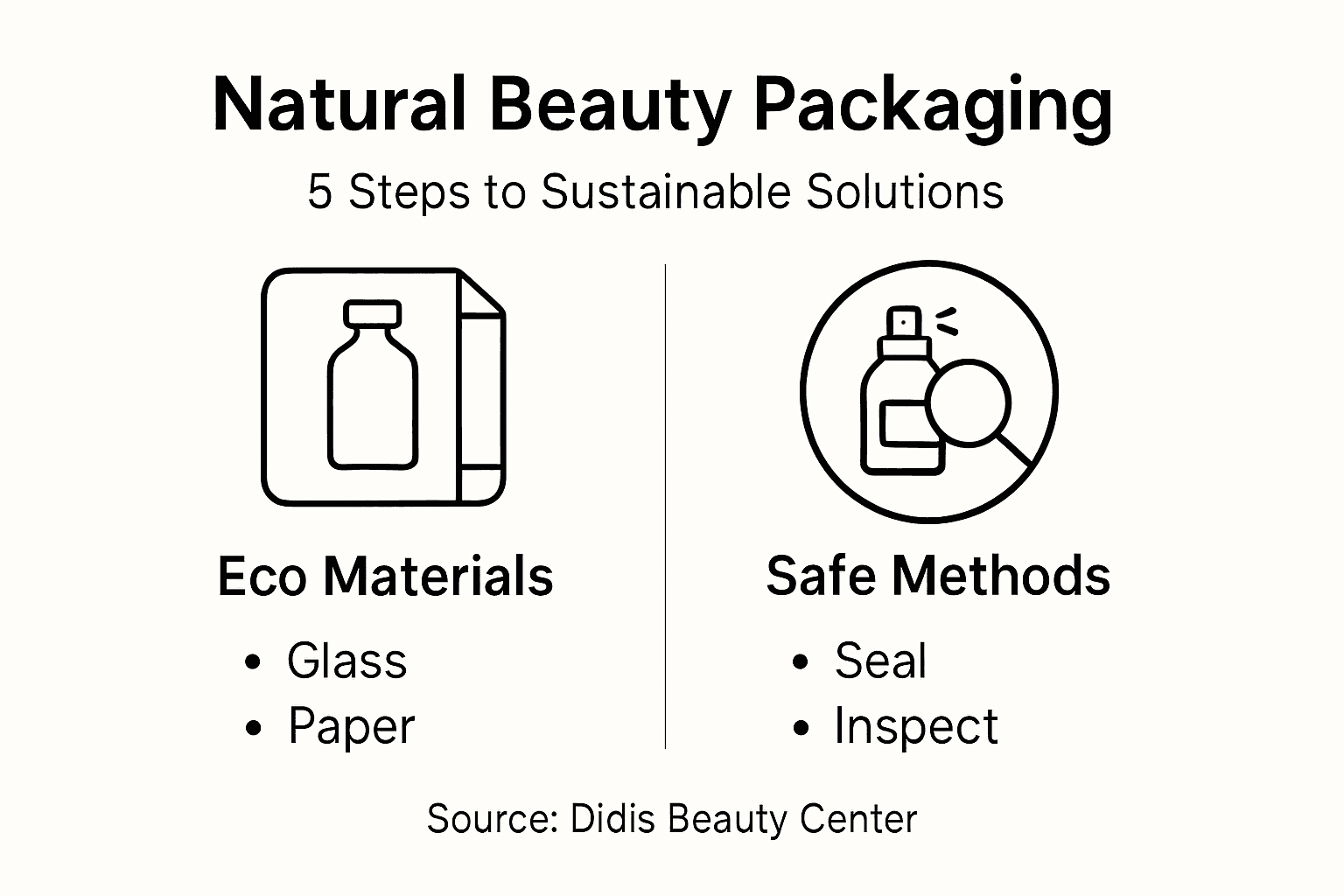
- Step 1: Select Eco-Friendly Packaging Materials
- Step 2: Prepare Products For Safe Handling
- Step 3: Design And Apply Compliant Labels
- Step 4: Seal And Protect Contents Securely
- Step 5: Inspect And Verify Packaging Quality
Quick Summary
| Key Point | Explanation |
|---|---|
| 1. Prioritize sustainable packaging materials | Choose eco-friendly options like glass, recycled paper, or bioplastics to minimize environmental impact while maintaining product quality. |
| 2. Implement rigorous safety protocols | Establish protocols for personal hygiene, equipment sanitization, and proper documentation to ensure safe handling of beauty products. |
| 3. Ensure compliance in labeling | Design labels that meet FDA and EU regulations, including ingredient lists and warnings, for consumer safety and brand trust. |
| 4. Focus on effective sealing methods | Use tamper-evident and moisture-resistant seals to protect product integrity and enhance customer confidence in product safety. |
| 5. Conduct thorough packaging inspections | Regularly assess packaging for quality and consistency to uphold brand standards and avoid potential product failures. |
Step 1: Select eco-friendly packaging materials
Choosing sustainable packaging materials is crucial for beauty brands committed to reducing environmental impact. When selecting packaging, you’ll want to consider materials that minimize waste while maintaining product quality and aesthetic appeal.
The current landscape of eco-friendly packaging offers multiple innovative options. Sustainable circular packaging strategies emphasize reducing environmental footprints through strategic material selection. Your primary options include:
- Glass containers: Endlessly recyclable and chemically inert
- Recycled paper packaging: Biodegradable and renewable
- Bioplastics: Derived from plant-based materials
- Aluminum containers: Lightweight and highly recyclable
When evaluating materials, consider these critical factors:
- Recyclability potential
- Carbon footprint during production
- Material durability
- Compatibility with product formulations
- Consumer perception and aesthetic appeal
Select packaging materials that align with your brand’s sustainability mission and communicate your environmental commitment.
To make informed decisions, research current regulations and consumer preferences in packaging sustainability. European Union guidelines provide excellent frameworks for ethical packaging design.
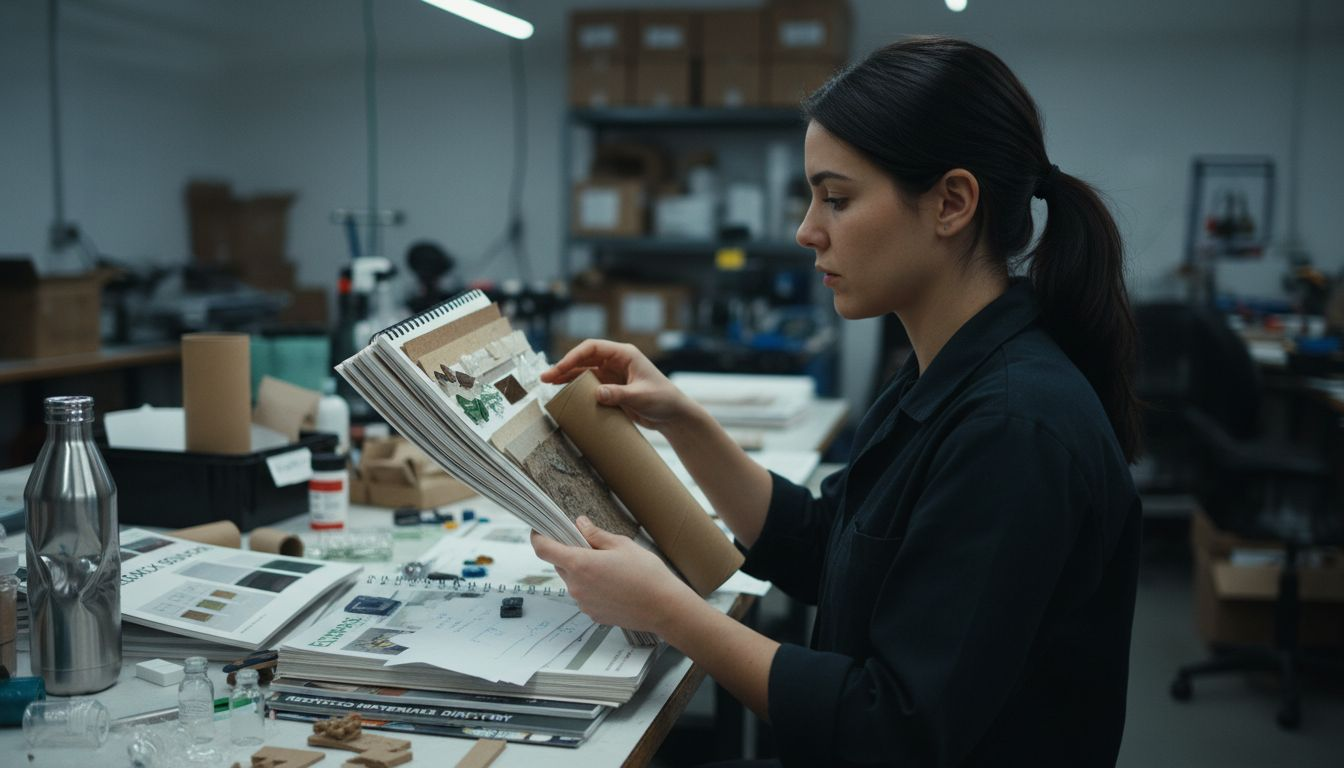
Pro tip: Always request material samples and conduct compatibility tests before finalizing your packaging selection to ensure product integrity and performance.
Here’s how major eco-friendly packaging materials compare across key attributes:
| Material | Environmental Benefit | Typical Use Case | Notable Limitation |
|---|---|---|---|
| Glass Containers | Infinitely recyclable, inert | Serums, creams | Heavier for shipping |
| Recycled Paper | Fully biodegradable, renewable | Cartons, wraps | Less moisture resistance |
| Bioplastics | Plant-derived, lower emissions | Sachets, jars | Limited recycling networks |
| Aluminum | Highly recyclable, lightweight | Tins, tubes | Can react with strong acids |
Step 2: Prepare products for safe handling
Safe product handling is a critical aspect of beauty product manufacturing that protects both your brand’s reputation and consumer health. You’ll need to establish comprehensive protocols to ensure your products meet the highest standards of quality and safety.
Good Manufacturing Practice guidelines provide essential frameworks for maintaining product integrity throughout the manufacturing process. When preparing your beauty products, focus on these key areas:
- Personal hygiene: Require staff to wear protective equipment
- Clean workspace: Maintain sterile preparation environments
- Equipment sanitization: Regularly clean and disinfect all tools
- Temperature control: Monitor storage and processing conditions
Your safe handling process should include these critical steps:
- Verify raw material quality
- Document every stage of product preparation
- Use calibrated measuring instruments
- Implement strict hand washing protocols
- Create detailed batch processing records
Consistent and meticulous handling practices are the foundation of high-quality beauty product manufacturing.
Implementing international manufacturing standards like ISO protocols helps create systematic approaches to product safety. This ensures reproducibility and minimizes contamination risks across your production line.
Pro tip: Create a dedicated training manual for your team that outlines precise handling procedures and updates it regularly with the latest safety guidelines.
Step 3: Design and apply compliant labels
Creating legally compliant labels is a critical step in launching your beauty product, ensuring consumer safety and regulatory adherence. Your labels are not just decorative elements but essential communication tools that protect both your brand and your customers.
Cosmetic labeling regulations provide comprehensive guidelines for designing labels that meet legal requirements. When developing your product labels, you’ll need to include these essential elements:
- Product name: Clear and descriptive
- Ingredient list: Complete and accurate
- Net contents: Precise quantity measurement
- Manufacturer information: Company name and address
- Usage instructions: Clear and concise
- Warning statements: Potential allergies or usage risks
Your label design process should follow these systematic steps:
- Review current FDA and EU regulatory requirements
- List all ingredients in descending order of concentration
- Use legible font sizes and clear typography
- Include batch or lot numbers
- Verify language requirements for target markets
Accurate and transparent labeling builds consumer trust and demonstrates your brand’s commitment to quality.
Pay special attention to international packaging standards that might vary between regions. Some countries have specific requirements for ingredient disclosure, warning statements, and font sizes that could impact your label design.
Pro tip: Invest in professional graphic design services specialized in cosmetic labeling to ensure your labels are both visually appealing and legally compliant.
The table below summarizes key compliance differences between U.S. (FDA) and EU beauty product labeling requirements:
| Label Element | FDA Requirement | EU Requirement |
|---|---|---|
| Ingredient Listing | Yes, by descending weight | Yes, with INCI names |
| Language Mandate | English | Official language of each market |
| Warning Statements | Required for risks/allergens | Mandatory, plus specific icons |
| Font Size | Minimum size, readable | Market-specific minimum sizes |
Step 4: Seal and protect contents securely
Sealing your beauty products is more than just a final step in packaging - it’s your first line of defense in protecting product quality, preventing contamination, and maintaining consumer trust. Your sealing strategy directly impacts product shelf life and customer experience.
Induction sealing technology provides critical protection for your beauty products, ensuring they remain fresh and untampered. When sealing your products, consider these essential protection strategies:
- Barrier integrity: Prevent moisture and air exposure
- Tamper-evident seals: Demonstrate product safety
- Material compatibility: Match sealing method to container type
- Temperature resistance: Ensure seal durability
- Aesthetic appeal: Maintain packaging design quality
Your sealing process should follow these precise steps:
- Select appropriate sealing technology
- Calibrate equipment for consistent application
- Test seal strength and integrity
- Verify hermetic closure
- Implement quality control checks
A perfect seal protects your product’s integrity from manufacturing to consumer hands.
Pay special attention to environmental factors that might compromise your product’s protective barrier. Different packaging materials and product formulations require unique sealing approaches to maintain stability and prevent degradation.
Pro tip: Invest in periodic seal testing equipment to continuously verify your packaging’s protective capabilities and catch potential quality issues before they reach consumers.
Step 5: Inspect and verify packaging quality
Inspecting your beauty product packaging is a critical final checkpoint that ensures your brand maintains the highest standards of quality and consumer safety. Your meticulous verification process will prevent potential product failures and protect your brand’s reputation.
Packaging quality control procedures provide essential frameworks for comprehensive product assessment. When conducting your packaging inspection, focus on these key evaluation areas:
- Dimensional accuracy: Verify container measurements
- Surface finish: Check for imperfections or irregularities
- Seal integrity: Test hermetic closure performance
- Labeling precision: Confirm accurate placement and readability
- Material consistency: Inspect for structural uniformity
Your packaging inspection process should include these systematic steps:
- Develop a standardized inspection checklist
- Use calibrated measuring tools
- Conduct random sampling tests
- Document inspection results
- Establish rejection criteria for substandard packaging
Rigorous quality control transforms packaging from a mere container to a brand promise of excellence.
Pay special attention to international quality standards that might vary across different markets. Each packaging material and design requires unique inspection approaches to maintain product integrity and meet regulatory requirements.
Pro tip: Create a digital inspection log with photographic evidence to track packaging quality trends and quickly identify potential manufacturing inconsistencies.
Elevate Your Natural Beauty Brand with Sustainable Packaging Solutions
Packaging your beauty products naturally is a challenge that requires balancing eco-friendly materials, safe handling, and clear compliant labeling. This article highlights key pain points such as selecting recyclable or biodegradable materials, ensuring product safety through careful handling, and designing labels that follow stringent regulations. At Didis Beauty Center, we understand the goal of creating sustainable, high-quality products that resonate with environmentally conscious consumers.
Discover our extensive Beauty Bundles Collection | 50% Massive Sales – Didis Beauty Center featuring ready-to-label packs and natural skincare essentials that support your brand’s commitment to eco-conscious packaging and cruelty-free beauty.
Start turning your sustainable packaging vision into reality today. Visit Didis Beauty Center to explore our selection of natural, vegan formulations and packaging-friendly products perfect for entrepreneurs and beauty brands aiming for excellence and environmental responsibility. Learn more about how our Beauty example products – Didis Beauty Center can help you build a trusted, compliant, and eco-conscious brand now.
Frequently Asked Questions
How can I select eco-friendly packaging materials for my beauty products?
Choose sustainable packaging materials like glass, recycled paper, bioplastics, or aluminum that align with your brand’s values. Evaluate each option based on recyclability, carbon footprint, durability, and compatibility with your product. Conduct detailed research to inform your material choices.
What are the key steps to ensure safe handling of beauty products during packaging?
To ensure safe handling, implement protocols like personal hygiene standards, regular equipment sanitization, and temperature control during storage. Train your team on strict handwashing procedures and maintain documentation for all stages of product preparation to uphold quality and safety.
What elements must I include on labels for beauty products?
Ensure your product labels contain essential elements like the product name, complete ingredient list, net contents, manufacturer information, usage instructions, and any necessary warning statements. Review your labels for accuracy and clarity to build consumer trust and comply with legal requirements.
How do I seal beauty products securely to maintain their quality?
Utilize appropriate sealing technologies that create a strong barrier against moisture and air exposure. Implement a quality control process that tests seal strength and verifies hermetic closures to ensure product integrity from manufacturing to consumers.
What steps should I take to inspect and verify packaging quality?
Develop a standardized inspection checklist covering dimensional accuracy, surface finish, seal integrity, labeling precision, and material consistency. Conduct random sampling tests and document your findings, establishing rejection criteria for any substandard packaging to maintain high-quality standards.
Recommended
- Beauty Branding: Building Impactful Natural Brands – Didis Beauty Center
- Beauty Branding: Building Impactful Natural Brands – Didis Beauty Center
- How to Sell Beauty Products Online Naturally and Effectively – Didis Beauty Center
- How to Sell Beauty Products Online Naturally and Effectively – Didis Beauty Center
- 7 Must-Know Top Perfume Trends 2025 for Collectors
Discourse (0)