


More than 62 percent of American shoppers say ethics influence their beauty product choices. As growing numbers seek out brands that reflect their values, fair trade beauty standards are reshaping expectations in skincare and cosmetics. Understanding how these standards improve worker rights, ensure safe labor, and protect the planet helps buyers make decisions that matter both locally and globally.
Table of Contents
- Defining Fair Trade Beauty Standards
- Key Principles And Certification Processes
- Types Of Fair Trade Beauty Products
- Impact On Communities And The Environment
- Choosing And Identifying Fair Trade Skincare
Key Takeaways
| Point | Details |
|---|---|
| Fair Trade Beauty Standards | Fair trade beauty focuses on ethical sourcing, ensuring fair wages, safe working conditions, and community development for producers in developing regions. |
| Certification Process | Fair trade certification requires strict adherence to ethical practices, including independent audits and transparent supply chain documentation. |
| Diverse Product Range | The fair trade beauty market includes various products, from skincare to haircare, all aiming for ethical sourcing and sustainable production. |
| Consumer Impact | Purchasing fair trade beauty products empowers consumers to support human rights, environmental sustainability, and economic justice on a global scale. |
Defining Fair Trade Beauty Standards
Fair trade beauty represents an ethical approach to sourcing and producing skincare products that prioritizes human dignity and environmental sustainability. At its core, fair trade is a trading partnership focused on dialogue, transparency, and respect designed to create more equitable international trade relationships. This means ensuring fair compensation, safe working conditions, and economic opportunities for marginalized producers, particularly in developing regions.
In practical terms for beauty and skincare, fair trade standards require meticulous ingredient sourcing and production practices. Cosmetic manufacturers must source ingredients from Fairtrade-certified producers whenever possible, which means tracking the entire supply chain to guarantee ethical treatment. For example, if a moisturizer contains shea butter, the brand must verify that the farmers producing that ingredient receive fair wages and work in safe conditions.
Key characteristics of fair trade beauty standards include:
- Transparent supply chain documentation
- Fair compensation for workers and producers
- Prohibition of child labor
- Safe and healthy working environments
- Environmentally sustainable production methods
- Commitment to community development initiatives
By choosing fair trade beauty products, consumers actively support a more responsible global beauty industry that values human rights and ecological preservation. These standards transform purchasing decisions from simple transactions into meaningful acts of social and environmental advocacy.
Key Principles and Certification Processes
Fair trade certification transforms ethical intentions into actionable standards that protect workers and promote sustainable development. Fair trade products adhere to comprehensive principles designed to ensure comprehensive ethical practices throughout the entire supply chain, ranging from worker empowerment to environmental protection. These principles are not merely suggestions but rigorous requirements that producers must consistently meet to maintain their certification status.
The certification process involves multiple layers of verification and ongoing assessment. The International Fairtrade Certification Mark represents an independent verification system used in over 69 countries, signaling that a product has been thoroughly inspected and meets stringent ethical standards. To obtain this mark, producer organizations must undergo detailed audits by FLO-CERT, an independent certification body that examines everything from labor practices to environmental sustainability.
Key principles of fair trade certification include:
- Ensuring fair and stable pricing for producers
- Prohibiting exploitative labor practices
- Guaranteeing safe working environments
- Promoting gender equality and non-discrimination
- Supporting community development initiatives
- Implementing transparent business practices
- Protecting children’s rights and preventing child labor
Beyond compliance, fair trade certification represents a comprehensive approach to ethical production. Consumers who choose these certified products are not just purchasing an item but investing in a global system that prioritizes human dignity, environmental stewardship, and economic justice for marginalized communities.
Types of Fair Trade Beauty Products
Fair trade beauty encompasses a diverse range of products that prioritize ethical sourcing and sustainable production. The beauty industry now offers fair trade options across skincare, haircare, and makeup categories, featuring ethically sourced ingredients like cocoa, shea butter, and coconut oil. This comprehensive approach ensures that every product in a consumer’s beauty routine can potentially support global economic justice and environmental sustainability.

Consumer interest in ethical labor certifications is driving significant transformation in beauty product development, leading to an expanded range of fair trade beauty offerings. These products now include specialized categories that address various skincare and personal care needs while maintaining strict ethical standards.
Typical fair trade beauty product categories include:
- Facial moisturizers and serums
- Body lotions and creams
- Natural makeup products
- Hair care treatments
- Organic sunscreens
- Lip balms and treatments
- Essential oil blends
- Hand and foot care products
By choosing fair trade beauty products, consumers make a direct impact on global communities. Each purchase supports sustainable agricultural practices, ensures fair wages for workers, and promotes environmentally responsible production methods that benefit both local producers and the global ecosystem.
Impact on Communities and The Environment
Fair trade practices represent more than an ethical purchasing strategy; they are a transformative approach to global economic development. Fair trade certification guarantees fair prices and ethical purchasing principles, including critical protections against exploitative labor practices, ensuring that producers receive just compensation and work in safe, dignified conditions. This systematic approach addresses fundamental economic inequalities that have historically marginalized workers in developing regions.
Beyond economic benefits, fair trade practices create profound psychological and social impacts. Consumer perceptions of fair trade products generate a unique “warm-glow” effect that increases purchase intentions and social awareness, effectively creating a positive feedback loop of ethical consumption. This mechanism empowers communities by transforming purchasing decisions into meaningful social investments.
Key environmental and community impacts include:
- Protecting indigenous agricultural practices
- Preventing child and forced labor
- Supporting sustainable farming techniques
- Promoting gender equality in workplace settings
- Investing in local community infrastructure
- Reducing carbon footprint through responsible production
- Preserving traditional cultural knowledge
- Providing economic opportunities in marginalized regions
By supporting fair trade beauty products, consumers become active participants in a global movement that prioritizes human dignity, environmental sustainability, and economic justice. Each purchase represents a small but significant step toward creating a more equitable and sustainable global economic system.
Choosing and Identifying Fair Trade Skincare
Conscious consumers have multiple strategies for identifying authentic fair trade skincare products. The International Fairtrade Certification Mark serves as the most reliable indicator of ethical production standards, providing shoppers with a clear visual guide to responsible beauty purchases. This official certification guarantees that the product meets rigorous ethical and environmental requirements throughout its entire production process.
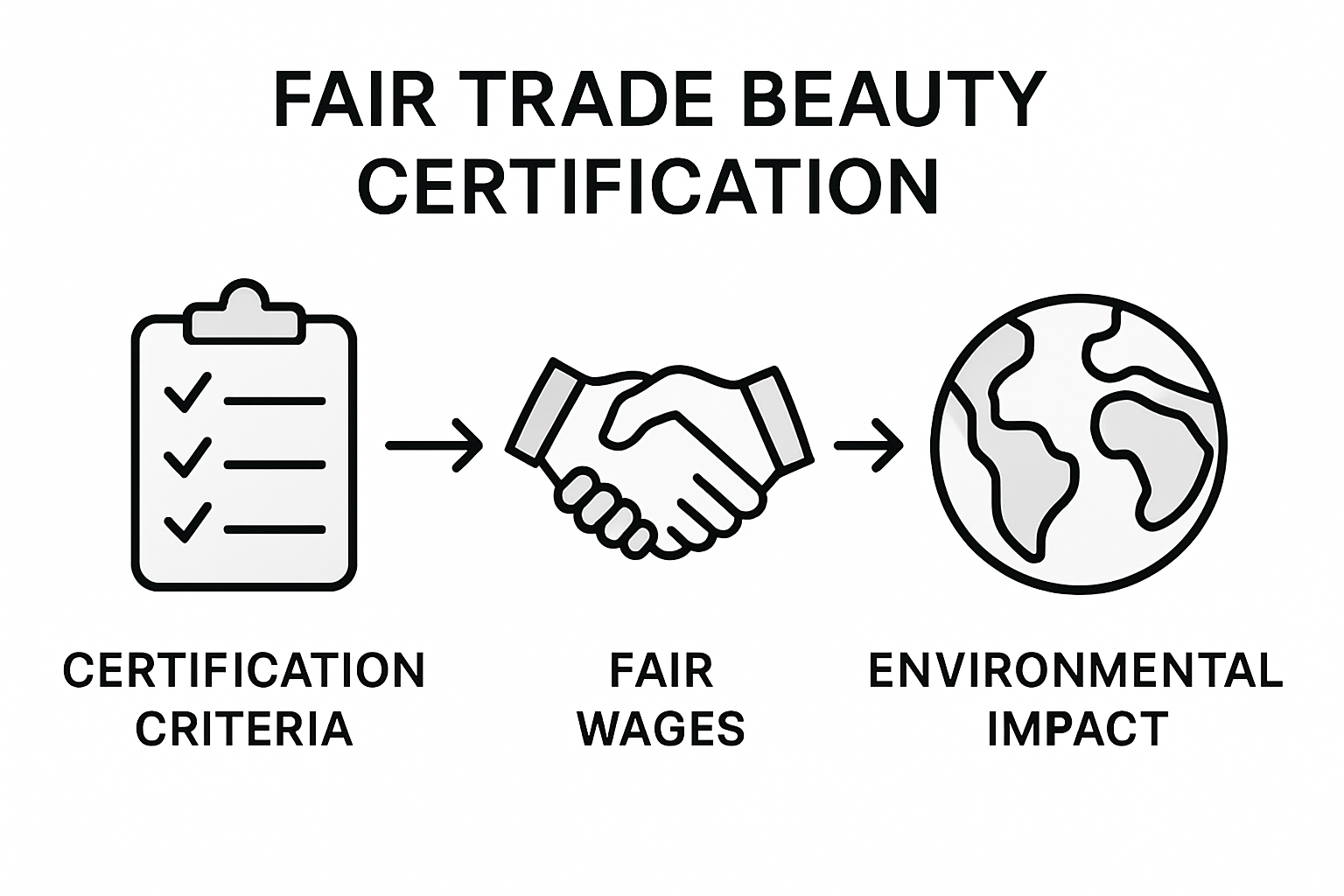
Beyond the official certification mark, discerning consumers should look for additional indicators of fair trade commitment. Transparent brands typically provide detailed information about ingredient sourcing, producer partnerships, and specific community impact initiatives. Researching a brand’s supply chain transparency, environmental policies, and direct relationships with agricultural producers can reveal deeper insights into their fair trade practices.
Key strategies for identifying fair trade skincare include:
- Checking for official certification marks
- Reviewing ingredient sourcing documentation
- Researching brand sustainability reports
- Examining company ethical sourcing policies
- Looking for direct producer partnerships
- Verifying third-party ethical production certifications
- Investigating community development investments
- Understanding supply chain transparency
Ultimately, choosing fair trade skincare is about making informed decisions that align personal beauty routines with broader social and environmental values. Each purchase represents an opportunity to support ethical production practices, protect worker rights, and contribute to sustainable global development through conscious consumption.
Embrace Fair Trade Beauty with Ethical Skincare Choices
The article highlights the importance of fair trade beauty as a commitment to ethical sourcing, fair compensation, and environmental sustainability. Many consumers face the challenge of finding trustworthy skincare products that truly support fair trade principles such as transparent supply chains, safe labor practices, and community development. If you want your beauty routine to reflect these values while enjoying effective natural formulations, Didis Beauty Center offers an ideal solution.
Explore our collection of Cream and Oils made with care from ethically sourced ingredients. For entrepreneurs passionate about launching their own fair trade-aligned brands, our Ready To Label products enable you to start with trusted formulations that support sustainable and responsible beauty practices.
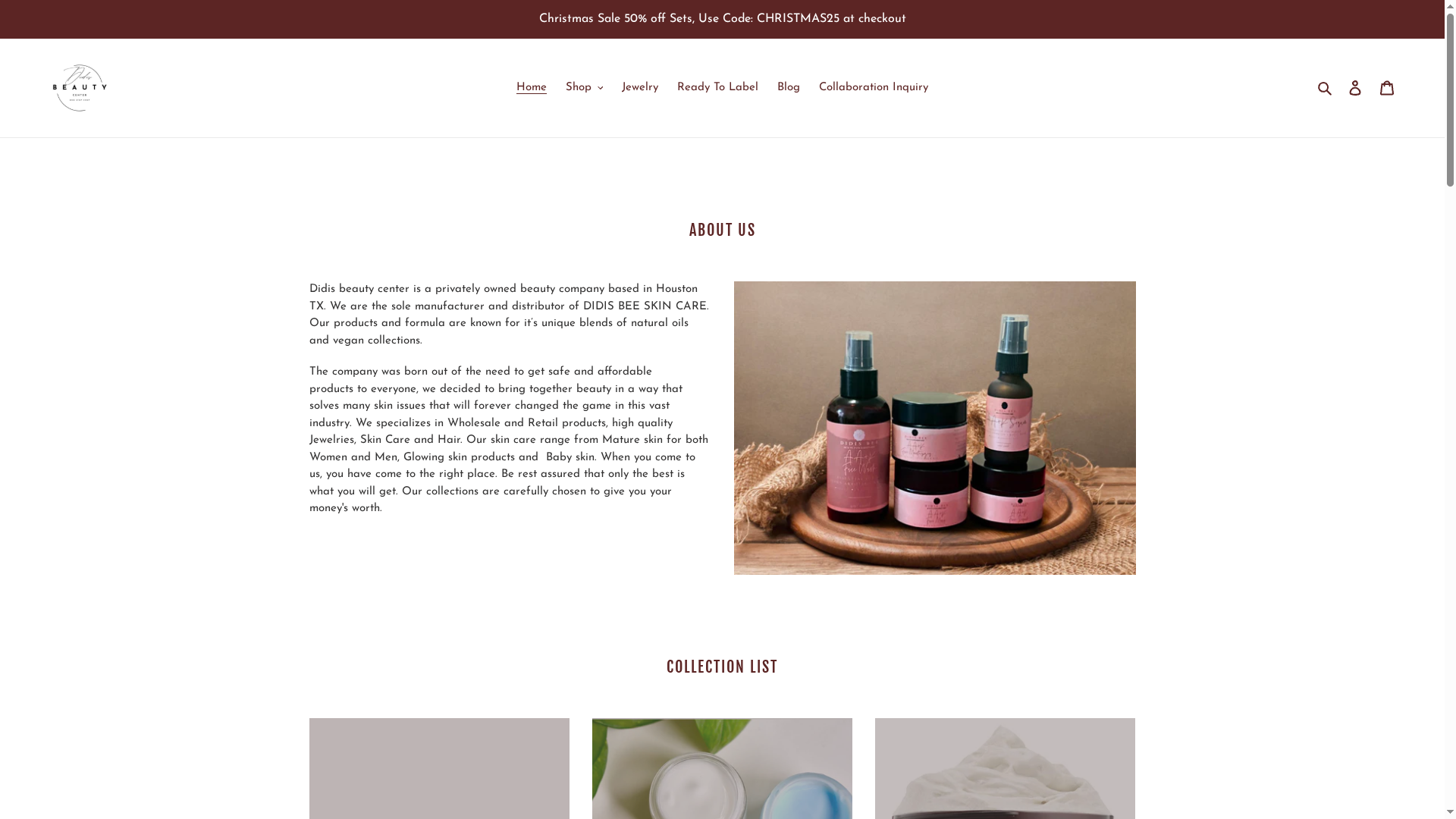
Make a positive impact with every purchase today by visiting Didis Beauty Center. Choose products that not only nurture your skin but also empower global communities committed to fair trade standards. Act now to join the movement toward beauty that truly matters.
Frequently Asked Questions
What is fair trade beauty?
Fair trade beauty refers to an ethical approach to sourcing and producing skincare and beauty products that prioritize human dignity, fair compensation, and environmental sustainability.
How can I identify fair trade beauty products?
To identify fair trade beauty products, look for the International Fairtrade Certification Mark, which indicates the product meets rigorous ethical and environmental standards. Additionally, check for transparency in ingredient sourcing and producer partnerships.
What are the benefits of using fair trade beauty products?
Using fair trade beauty products supports fair wages for workers, promotes sustainable agriculture, protects working conditions, and encourages community development initiatives, contributing to a more equitable and responsible global beauty industry.
Are all beauty products that claim to be fair trade certified?
Not all products that claim to be fair trade are certified. It’s essential to verify their certification status and ensure they adhere to comprehensive ethical principles and standards throughout their production process.
Recommended
- How Eco-Conscious Consumers Are Transforming the Beauty World 🌍 – Didis Beauty Center
- How Eco-Conscious Consumers Are Transforming the Beauty World 🌍 – Didis Beauty Center
- Eco-Friendly Packaging: A Step Towards Sustainable Beauty – Didis Beauty Center
- Eco-Friendly Packaging: A Step Towards Sustainable Beauty – Didis Beauty Center
Discourse (0)