


Finding genuine natural skincare can feel impossible when the market floods shelves with lofty claims and unclear standards. More than 230 eco labels compete globally for attention, leaving eco-conscious buyers and american beauty entrepreneurs searching for trustworthy, vegan options that truly deliver sustainability. This guide cuts through the confusion by spotlighting the real value and purpose of effective eco labels, empowering you to recognize transparent certifications and make choices that benefit the planet.
Table of Contents
- Definition And Purpose Of Eco Labels In Skincare
- Common Types Of Eco Labels And Certifications
- How Eco Labels Ensure Product Transparency
- Eco Labels’ Role In Consumer And Business Decisions
- Pitfalls And Misuse: Avoiding Greenwashing In Skincare
Key Takeaways
| Point | Details |
|---|---|
| Role of Eco Labels | Eco labels inform consumers about the sustainability of skincare products, ensuring transparency and responsible choices. |
| Categories of Certifications | Skincare eco labels fall into three main categories: third-party, self-declared, and quantitative claims, impacting consumer trust and decision-making. |
| Importance of Verification | Third-party certification is essential for establishing credibility, helping consumers distinguish between genuine sustainability and greenwashing. |
| Research Recommendations | Consumers should investigate the specific criteria behind eco labels to validate environmental claims and avoid misleading marketing tactics. |
Definition and Purpose of Eco Labels in Skincare
Eco labels in skincare represent strategic environmental certification systems designed to guide consumers toward sustainable and ethically produced beauty products. These specialized markers provide transparent information about a product’s environmental impact, ingredient sourcing, and manufacturing processes. By establishing rigorous standards, eco-labeling systems help consumers make informed purchasing decisions that align with environmental conservation goals.
At their core, eco labels function as powerful communication tools that translate complex environmental criteria into easily understandable visual markers. The European Union Ecolabel, for instance, evaluates cosmetic products across multiple dimensions including toxicity levels, biodegradability, hazardous substance restrictions, and sustainable ingredient procurement. These certifications encourage manufacturers to adopt more responsible production methods while empowering consumers to support environmentally conscious brands.
The primary purposes of eco labels in skincare extend beyond simple product identification. They serve three critical functions: consumer education, industry accountability, and environmental protection. By establishing measurable standards, these labels motivate skincare companies to reduce their ecological footprint, minimize waste, and prioritize sustainable ingredient sourcing. Eco-friendly certification systems ultimately create a marketplace that rewards transparent, environmentally responsible business practices.
Pro Tip: When shopping for skincare products, always look beyond the eco label and research the specific environmental criteria the certification represents to ensure genuine sustainability commitment.
The table below summarizes core functions of eco labels and their direct impact on consumers and businesses:
| Function | Impact on Consumers | Impact on Businesses |
|---|---|---|
| Education | Informs sustainable choices | Encourages transparency and good practices |
| Accountability | Prevents misleading claims | Promotes environmental responsibility |
| Environmental Protection | Drives demand for eco products | Motivates sustainable manufacturing |
Common Types of Eco Labels and Certifications
Skincare eco labels represent a diverse ecosystem of environmental and ethical certifications designed to guide consumers toward more sustainable product choices. Environmental certification systems typically fall into three primary categories that help consumers understand the depth and credibility of sustainability claims. These categories include third-party certified labels, self-declared environmental claims, and quantitative environmental product declarations.
Among the most recognized eco labels in the skincare industry are certifications like COSMOS Organic, Leaping Bunny, and the European Union Ecolabel. Each of these certifications focuses on different aspects of environmental and ethical responsibility. The Leaping Bunny certification, for instance, guarantees cruelty-free production, while COSMOS Organic ensures organic ingredient sourcing and strict manufacturing standards. The EU Ecolabel evaluates products across multiple environmental dimensions, including ingredient toxicity, biodegradability, and sustainable manufacturing processes.
The complexity of eco labels requires consumers to understand different certification types to make truly informed decisions. Type I labels represent third-party verified certifications with comprehensive criteria, Type II involve self-declared environmental claims, and Type III provide detailed environmental product declarations based on quantified data. This nuanced approach allows consumers to distinguish between genuine sustainability efforts and potential greenwashing tactics in the skincare industry.
Pro Tip: Always research the specific criteria behind an eco label to understand its true environmental impact and credibility.
Here’s a quick reference comparing leading eco label certifications in skincare:
| Certification Name | Key Focus Areas | Verification Type | Example Impact on Products |
|---|---|---|---|
| COSMOS Organic | Organic ingredients, manufacturing | Third-party | Uses certified organic raw materials |
| Leaping Bunny | Cruelty-free production | Third-party | No animal testing at any stage |
| EU Ecolabel | Toxicity, biodegradability, sourcing | Third-party | Reduces hazardous substances, increases eco-friendliness |
| Self-Declared Claims | Company-selected attributes | No independent review | May lack detailed standards or oversight |
How Eco Labels Ensure Product Transparency
Product transparency in skincare represents a critical mechanism for helping consumers understand the true environmental and ethical implications of their purchasing decisions. Eco labels function as comprehensive communication tools that break down complex sustainability information into clear, accessible visual markers. By establishing rigorous verification processes, these labels provide consumers with verified insights into a product’s entire lifecycle, from ingredient sourcing to manufacturing and disposal.

The verification process behind eco labels involves multiple layers of scrutiny that ensure genuine transparency. Third-party certification plays a crucial role in this system, where independent experts evaluate products against scientifically developed standards. These standards typically cover multiple dimensions including ingredient origins, environmental impact, manufacturing processes, and social responsibility. For instance, some certifications examine the carbon footprint of production, while others focus on sustainable ingredient procurement and fair labor practices.
Under the EU Ecolabel framework, transparency is achieved through meticulously developed criteria created in consultation with environmental experts, scientific researchers, and industry stakeholders. These comprehensive standards go beyond surface-level claims, requiring detailed documentation and empirical evidence of environmental performance. The result is a certification system that provides consumers with a reliable, trustworthy method of understanding a product’s genuine ecological credentials, effectively combating greenwashing and misleading marketing tactics.
Pro Tip: Always look for multiple eco labels on a single product to cross-verify its sustainability claims and ensure comprehensive environmental accountability.
Eco Labels’ Role in Consumer and Business Decisions
Eco labels transform consumer purchasing dynamics by providing transparent, verifiable information about product sustainability. These certification markers serve as critical communication tools that bridge the gap between consumer values and corporate responsibility. By offering clear visual indicators of environmental and ethical standards, eco labels empower individuals to make informed choices that align with their personal sustainability goals and social consciousness.
For businesses, eco labels represent strategic differentiation mechanisms in an increasingly competitive marketplace. Companies can leverage these certifications to demonstrate their commitment to sustainable practices, attract environmentally conscious consumers, and build brand reputation. Third-party verification adds credibility to sustainability claims, helping brands stand out by proving their genuine environmental dedication through rigorous, independently assessed standards. The competitive advantage gained through these labels extends beyond marketing, potentially influencing supply chain decisions and internal production methodologies.
Eco labels influence broader market behaviors by creating a framework for responsible consumption and production. Policymakers increasingly recognize these certifications as tools for promoting sustainable practices, with future legislation likely to mandate more comprehensive environmental reporting. This evolving landscape suggests that eco labels will become increasingly critical in shaping consumer expectations, business strategies, and global sustainability efforts across industries.
Pro Tip: Research multiple eco labels on a product and understand their specific criteria to make truly informed purchasing decisions that reflect your personal sustainability values.
Pitfalls and Misuse: Avoiding Greenwashing in Skincare
Eco-label complexity creates significant consumer challenges in the skincare industry. With over 230 different environmental labels worldwide, consumers face an overwhelming landscape of sustainability claims. This proliferation increases the risk of greenwashing, where brands strategically use misleading environmental marketing to appear more sustainable than they actually are. Understanding these potential pitfalls becomes crucial for making truly informed purchasing decisions.
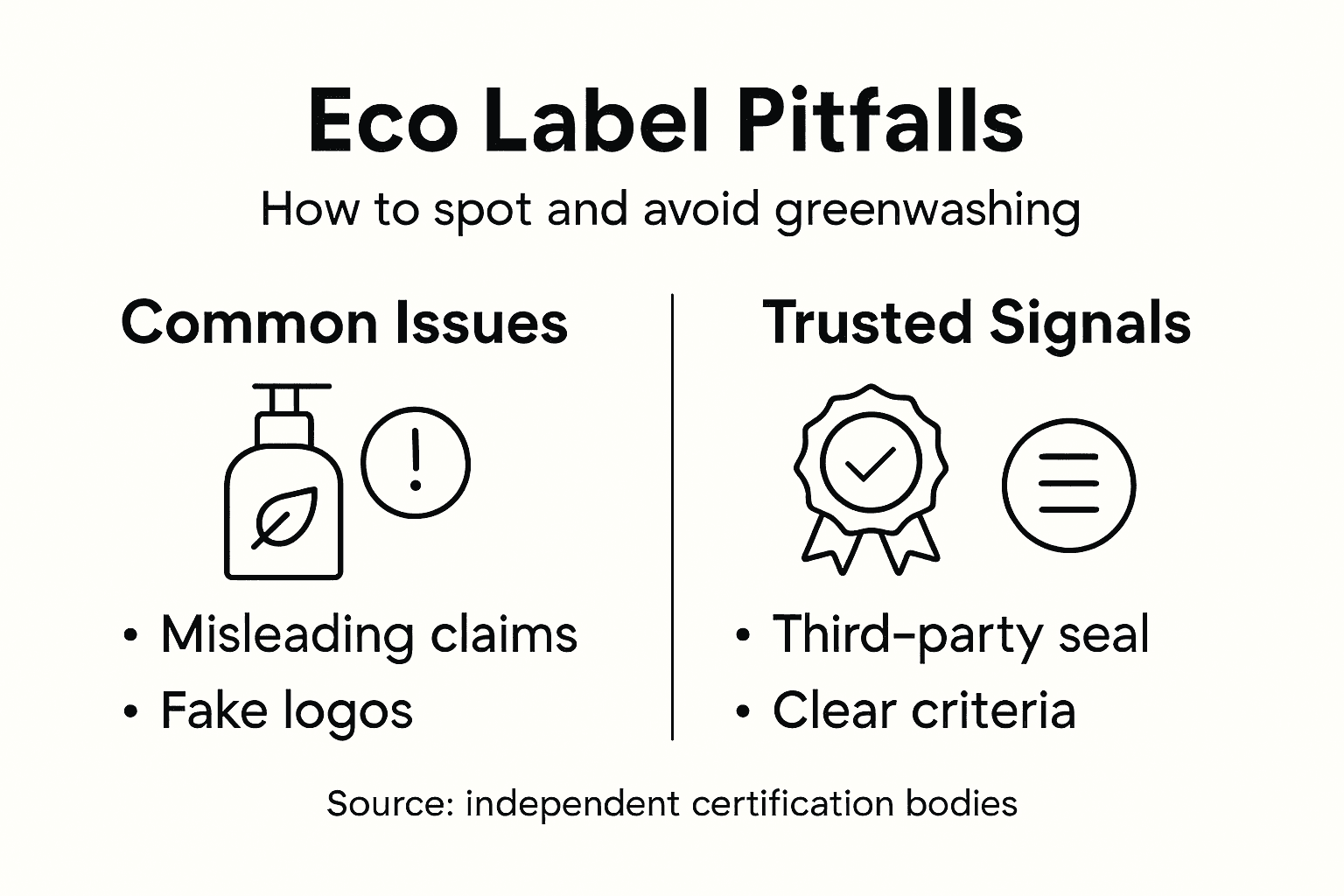
The primary mechanisms of greenwashing in skincare involve strategically crafted language and visual design that create an illusion of environmental responsibility. Brands may use vague terms like “natural” or “eco-friendly” without substantive third-party verification, exploit minimal sustainable practices to claim comprehensive environmental credentials, or selectively highlight one positive attribute while obscuring less sustainable production methods. Misleading certifications often lack rigorous standards, allowing companies to capitalize on consumer goodwill without meaningful environmental commitment.
Third-party certification remains the most reliable defense against greenwashing tactics. Genuine eco labels require transparent, measurable criteria that demonstrate comprehensive sustainability across production, ingredient sourcing, packaging, and corporate practices. Consumers should prioritize certifications with clear, accessible standards, multiple verification points, and ongoing accountability mechanisms. By developing critical evaluation skills, shoppers can distinguish between authentic environmental commitment and superficial marketing strategies.
Pro Tip: Always cross-reference eco label claims with the specific certification body’s detailed criteria to validate the authenticity of environmental assertions.
Make Ethical Skincare Choices with Confidence Today
Understanding the complexity of eco labels and the risk of greenwashing can feel overwhelming when you want truly sustainable skincare. This article highlights the importance of verified certifications and transparent ingredient sourcing to help you make informed, ethical decisions. If you care about supporting cruelty-free, natural, and environmentally responsible products that align with your values, finding trustworthy options is key.
Didis Beauty Center offers a curated selection of natural and vegan formulations designed with eco-conscious consumers in mind. Explore our Skin Care Collection - Face, Body, Oils to discover products that reflect genuine sustainability commitments. For entrepreneurs looking to build a brand founded on ethical beauty, our Ready To Label options provide a transparent and responsible path to launch your own line.
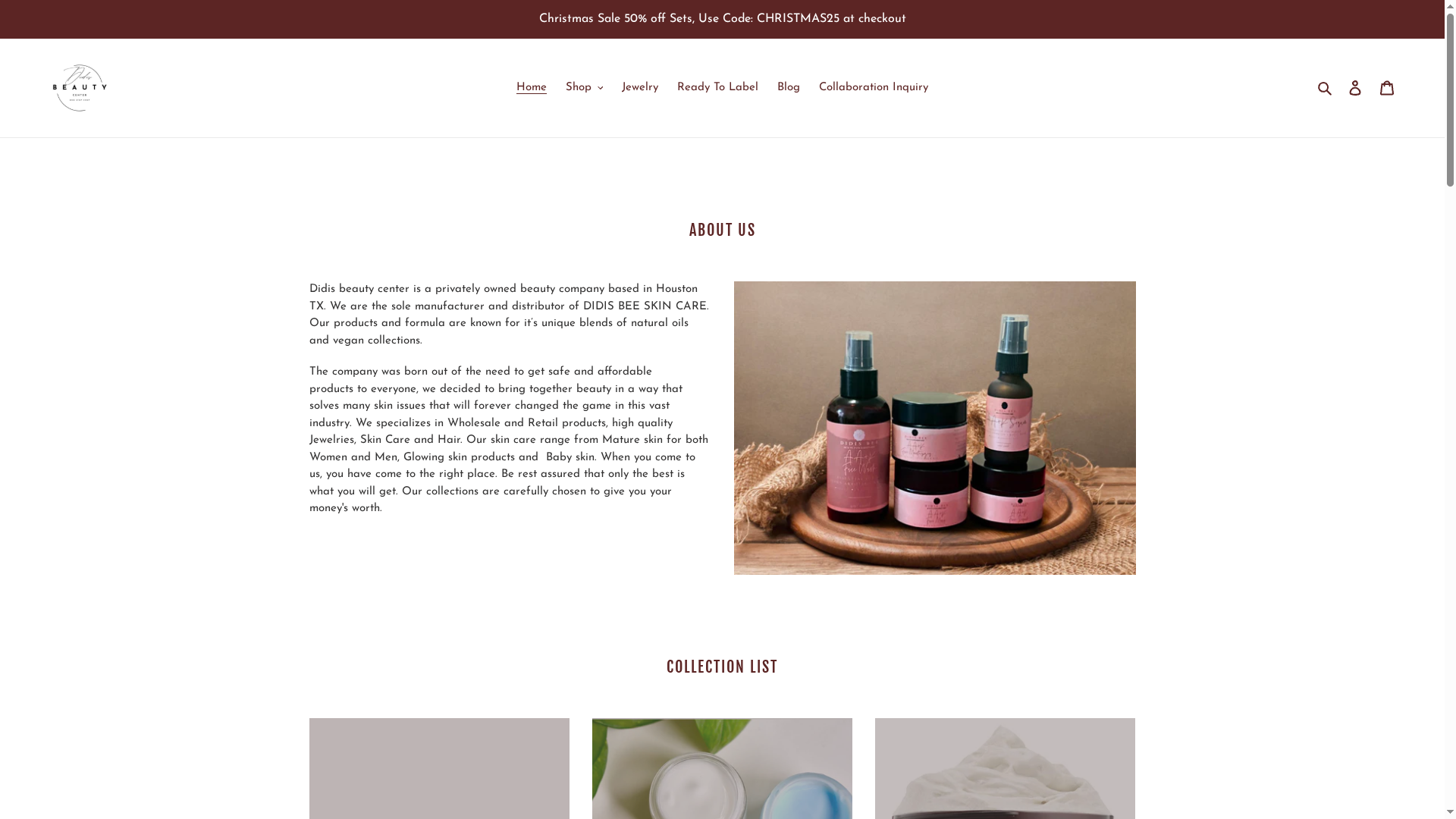
Start your journey toward greener skincare today by visiting Didis Beauty Center and choosing products and solutions that truly deliver on eco label promises. Act now to support authentic sustainability and promote a cleaner, safer future for your skin and the planet.
Frequently Asked Questions
What are eco labels in skincare?
Eco labels in skincare are environmental certification systems that guide consumers towards sustainable and ethically produced beauty products. They provide information on a product’s environmental impact, ingredient sourcing, and manufacturing processes.
How do eco labels ensure product transparency?
Eco labels ensure product transparency by using rigorous verification processes that involve third-party certifications. These certifications assess products based on comprehensive standards covering various factors such as ingredient origins, environmental impact, and manufacturing processes.
What are some common types of eco labels in skincare?
Common types of eco labels in skincare include certifications like COSMOS Organic, Leaping Bunny, and the European Union Ecolabel. These certifications focus on different aspects of environmental and ethical responsibility, such as organic sourcing or cruelty-free practices.
How can consumers avoid greenwashing when choosing skincare products?
Consumers can avoid greenwashing by looking for third-party certifications that require transparent, measurable criteria. It’s important to research the specific standards behind eco labels and prioritize those with clear verification processes to ensure genuine sustainability claims.
Discourse (0)