


Building a beauty brand that truly protects your skin and the planet requires careful choices. With so many skincare products containing chemicals linked to chronic health concerns, finding safer alternatives is more urgent than ever. Making the switch to natural, vegan, and ethically certified products can change everything about how you care for yourself and the environment.
This guide gathers actionable steps you can take to develop a sustainable beauty routine. You’ll discover how to spot harmful chemicals, choose truly natural ingredients, and verify ethical standards—every item is designed to help you build confidence in your daily choices.
Get ready to explore practical tips and insights that will transform your approach to beauty, revealing how every decision can make a positive impact on your well-being and the world around you.
Table of Contents
- Choose Natural and Vegan Ingredients for Skincare
- Avoid Harmful Chemicals in Beauty Products
- Look for Cruelty-Free and Ethical Certifications
- Select Sustainable and Recyclable Packaging
- Prioritize Water-Saving and Low-Waste Routines
- Support Local and Transparent Beauty Brands
- Educate Customers on Eco-Friendly Beauty Choices
Quick Summary
| Key Message | Explanation |
|---|---|
| 1. Prioritize Natural Ingredients | Focus on pure, plant-based components to nourish skin and minimize environmental impact during skincare formulation. |
| 2. Avoid Harmful Chemicals | Eliminate synthetic ingredients linked to health risks to protect consumer well-being and uphold safety standards. |
| 3. Obtain Ethical Certifications | Pursue recognized certifications to demonstrate commitment to animal welfare and ethical production practices, enhancing brand trust. |
| 4. Implement Sustainable Packaging | Use biodegradable, recycled, or refillable packaging to reduce environmental impact and align with eco-conscious consumer expectations. |
| 5. Educate Consumers on Sustainability | Provide clear information on sustainable practices and ingredient sourcing to empower consumers to make informed beauty choices. |
1. Choose Natural and Vegan Ingredients for Skincare
The foundation of an eco-conscious beauty brand starts with selecting pure natural ingredients that nourish skin and respect our environment. By prioritizing vegan and plant-based components, brands can create skincare products that deliver exceptional results while maintaining ethical standards.
Research demonstrates that natural ingredients offer remarkable benefits for skin health. Natural-based skincare ingredients can provide multiple advantages for promoting naturally glowing and healthy skin.
Key advantages of natural and vegan ingredients include:
- Reduced environmental impact
- Minimal chemical processing
- Higher concentration of beneficial compounds
- Gentler on sensitive skin
- Biodegradable and sustainable
When selecting ingredients, focus on powerful plant-based options such as:
- Aloe vera for hydration
- Green tea extract for antioxidants
- Jojoba oil for skin balancing
- Rosehip seed oil for regeneration
- Chamomile for soothing properties
Natural ingredients represent the future of responsible skincare formulation.
Brands should prioritize ingredients sourced through sustainable practices. Look for certifications like USDA Organic or Leaping Bunny to validate ingredient quality and ethical sourcing.
Pro tip: Conduct thorough research on ingredient origins and perform comprehensive patch testing to ensure compatibility and effectiveness before finalizing your skincare formulations.
2. Avoid Harmful Chemicals in Beauty Products
Creating an eco-friendly beauty brand demands vigilance about the chemicals used in product formulations. Synthetic ingredients can pose significant health risks that extend far beyond skin surface concerns.
Hazardous chemical exposure in personal care products has been scientifically linked to serious long-term health complications including potential endocrine disruption and chronic diseases.
Common harmful chemicals to eliminate from your skincare formulations include:
- Parabens
- Phthalates
- Synthetic fragrances
- Formaldehyde releasers
- Petroleum-based compounds
- Triclosan
- Propylene glycol
Consumer health and environmental safety must drive ingredient selection.
When developing products, prioritize transparency by:
- Listing all ingredients clearly
- Researching chemical safety profiles
- Choosing plant-derived alternatives
- Avoiding known endocrine disruptors
- Conducting independent safety testing
Each ingredient selection represents a commitment to consumer wellness and environmental responsibility. Rigorous ingredient screening protects both human health and ecological systems.
Pro tip: Invest in third-party toxicology testing and maintain a comprehensive database of ingredient safety profiles to ensure your products meet the highest standards of consumer protection.
3. Look for Cruelty-Free and Ethical Certifications
Ethical certifications represent the gold standard for conscious beauty brands committed to animal welfare and transparent practices. Credible certifications communicate your brand’s integrity to environmentally aware consumers.
Global certification standards play a crucial role in verifying the authenticity of ethical beauty product claims and building consumer trust.
Key certifications that demonstrate your commitment to ethical practices include:
- Leaping Bunny
- PETA Cruelty-Free
- The Vegan Society Trademark
- COSMOS Organic
- Cruelty-Free International
- ISO 16128 Natural
Authentic certifications are your brand’s ethical passport in the beauty industry.
Brands should pursue certification through:
- Comprehensive supplier audits
- Rigorous ingredient tracing
- Independent verification processes
- Regular compliance reviews
- Transparent documentation
Certification goes beyond marketing and represents a genuine commitment to animal welfare and environmental responsibility. Each certification signals your dedication to ethical production standards.
Pro tip: Invest in obtaining multiple recognized certifications and prominently display them on packaging to build immediate consumer trust and differentiate your brand in a competitive market.
4. Select Sustainable and Recyclable Packaging
Packaging represents a critical environmental touchpoint for eco-conscious beauty brands. Sustainable packaging is more than a trend - it is a fundamental responsibility toward reducing environmental impact.
Sustainable packaging strategies in the cosmetics industry require careful consideration of circular economy principles.
Key sustainable packaging approaches include:
- Biodegradable materials
- Recycled plastic components
- Refillable container designs
- Minimalist packaging
- Glass or aluminum alternatives
- Plant-based packaging materials
- Carbon-neutral production processes
Your packaging choices speak louder than your marketing messages.
Implement sustainable packaging through:
- Conducting material sustainability audits
- Partnering with eco-friendly suppliers
- Designing multi-use packaging
- Reducing overall packaging volume
- Creating clear recycling instructions
Consumer education amplifies packaging impact. By transparently communicating your sustainable packaging choices, you transform environmental responsibility into a brand narrative that resonates with conscious consumers.
Pro tip: Develop a comprehensive packaging take-back or recycling program that incentivizes customers to return and recycle packaging, creating a closed-loop system that demonstrates your brand’s genuine commitment to sustainability.
5. Prioritize Water-Saving and Low-Waste Routines
Water conservation represents a critical frontier in sustainable beauty practices. Reducing water consumption transforms your brand from an environmental observer to a proactive ecological steward.
Waterless skincare innovations are revolutionizing how beauty brands approach product development and environmental responsibility.
Key water-saving strategies include:
- Concentrated powder formulations
- Solid beauty bars
- Anhydrous product designs
- Minimal water extraction processes
- Biodegradable waterless ingredients
- Efficient manufacturing techniques
- Low-volume packaging solutions
Every drop saved represents a commitment to planetary health.
Implement water conservation through:
- Auditing current water usage
- Redesigning product formulations
- Selecting water-efficient ingredients
- Minimizing extraction processes
- Tracking and reducing water footprint
Sustainable beauty demands innovative thinking. By reimagining traditional liquid-based formulations, brands can significantly reduce water consumption without compromising product quality.
Pro tip: Develop transparent water usage metrics and communicate your conservation efforts to consumers, transforming your ecological commitment into a compelling brand narrative.
6. Support Local and Transparent Beauty Brands
Transparency and ethical sourcing have become fundamental expectations for modern consumers seeking authentic beauty experiences. Local brands represent more than products - they embody community empowerment and sustainable practices.
Ingredient transparency trends are transforming how beauty brands communicate and connect with conscientious consumers.
Benefits of supporting local and transparent brands include:
- Direct economic community impact
- Reduced carbon transportation footprint
- Shorter supply chains
- More accountability
- Personalized production processes
- Enhanced ingredient traceability
- Stronger local economic networks
True beauty begins with honest, transparent practices.
Strategies for supporting transparent beauty brands:
- Research ingredient sourcing
- Verify production ethics
- Prioritize local manufacturers
- Demand clear labeling
- Support small-scale producers
Transparency builds genuine consumer trust. By choosing brands that openly share their production stories, you contribute to a more accountable and sustainable beauty ecosystem.
Pro tip: Develop relationships with local producers and create storytelling content that highlights their unique sourcing and production methods, transforming transparency into a compelling brand narrative.
7. Educate Customers on Eco-Friendly Beauty Choices
Customer education represents the cornerstone of meaningful sustainability in the beauty industry. Informed consumers drive meaningful change by making conscious purchasing decisions that support ethical practices.
Sustainable beauty communication strategies are transforming how brands connect with environmentally conscious consumers.
Effective customer education approaches include:
- Transparent ingredient sourcing stories
- Clear carbon footprint explanations
- Interactive sustainability workshops
- Detailed packaging impact breakdowns
- Infographics about environmental benefits
- Digital sustainability learning modules
- Behind-the-scenes ethical production content
Knowledge transforms consumer behavior more powerfully than marketing.
Implement customer education through:
- Creating engaging digital content
- Developing QR code ingredient traceability
- Hosting sustainability webinars
- Providing accessible environmental impact reports
- Using social media for transparent communication
Honest communication builds consumer trust. By demystifying sustainability practices, brands can create deeper connections with environmentally conscious consumers.
Pro tip: Design a comprehensive sustainability storytelling strategy that transforms complex environmental information into compelling, easily digestible narratives that inspire and educate your audience.
Below is a comprehensive table summarizing the key topics discussed in the article on eco-friendly and sustainable practices in skincare and beauty brands.
Embrace Eco-Friendly Beauty with Didis Beauty Center
Are you ready to transform your skincare routine or beauty brand with natural, vegan, and sustainable products? This 7-step checklist highlights the importance of ethical ingredients, cruelty-free certifications, and eco-conscious packaging. At Didis Beauty Center you can discover a curated selection of pure plant-based Oils and gentle Soaps crafted to align perfectly with your values and the planet’s needs.
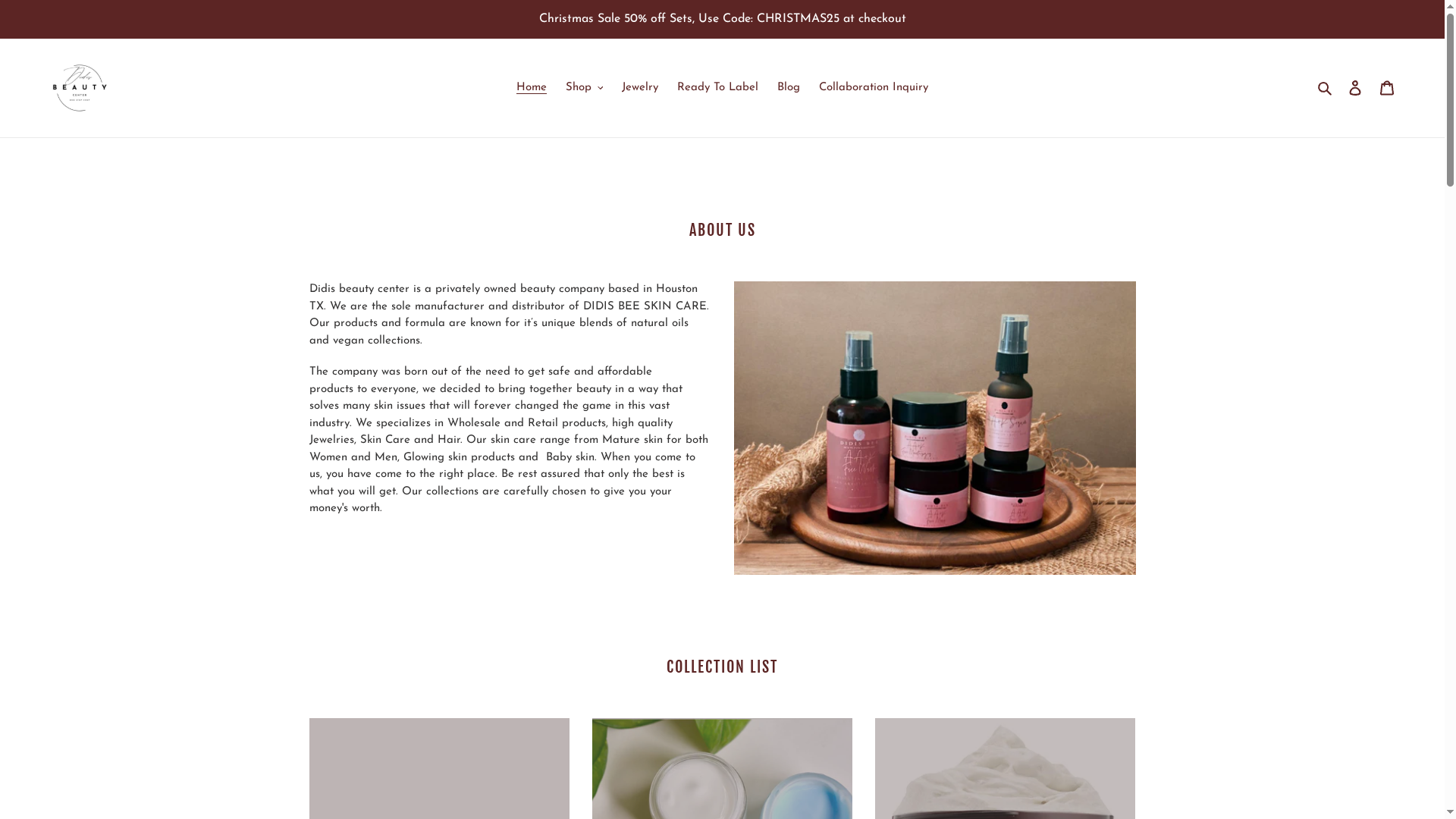
Start your journey toward an eco-friendly beauty lifestyle or brand today by exploring our collections designed for conscious consumers and entrepreneurs alike. Visit Didis Beauty Center now to find high-quality, affordable products and innovative private-label solutions that empower you to make lasting environmental impact. Act now to lead with integrity and sustainability in every beauty choice you make.
Frequently Asked Questions
How can I choose natural and vegan ingredients for my skincare products?
To choose natural and vegan ingredients, prioritize plant-based components that offer skin-nourishing benefits while being environmentally friendly. Research powerful options like Aloe Vera and Green Tea Extract to ensure effective, ethical formulations.
What harmful chemicals should I avoid in my eco-friendly beauty products?
Avoid harmful chemicals such as parabens, phthalates, and synthetic fragrances in your product formulations. Conduct a thorough review of your ingredients and replace these substances with safer, plant-derived alternatives.
How do I obtain ethical certifications for my beauty brand?
To obtain ethical certifications, undergo thorough supplier audits, ingredient tracing, and independent verification processes. Aim to acquire at least one recognized certification, like Leaping Bunny or PETA Cruelty-Free, within six months to build consumer trust.
What packaging options are considered sustainable for beauty products?
Sustainable packaging options include biodegradable materials, recycled components, and refillable designs. Evaluate your current packaging and transition to at least 50% sustainable materials in your next product launch.
What are some effective ways to educate customers on eco-friendly beauty choices?
Educate customers through transparent ingredient sourcing stories and interactive sustainability workshops. Develop engaging content, like infographics or social media posts, to enhance understanding and promote eco-friendly practices.
How can I support local and transparent beauty brands?
Support local and transparent beauty brands by researching their ingredient sourcing and prioritizing those with clear labeling and ethical practices. Aim to collaborate with at least three local producers to strengthen your brand’s commitment to community and sustainability.
Recommended
- Defining Sustainable Beauty: Impact on Modern Skincare – Didis Beauty Center
- Defining Sustainable Beauty: Impact on Modern Skincare – Didis Beauty Center
- Sustainable Beauty Explained: Healthy Skin, Greener Earth – Didis Beauty Center
- Sustainable Beauty Explained: Healthy Skin, Greener Earth – Didis Beauty Center
Discourse (0)