


Shopping for beauty accessories that match your cruelty-free values shouldn’t feel like navigating a maze of misleading labels. Many eco-conscious consumers struggle to identify truly ethical products amid greenwashing and inconsistent certification standards. This guide delivers a practical framework for evaluating cruelty-free accessories and profiles popular categories including makeup brushes, facial cleansing tools, and eyelash curlers. You’ll learn what certifications matter, which materials perform best, and how to match accessories to your specific needs while supporting brands that align with your commitment to natural and vegan skincare routines.
Table of Contents
- Selection Criteria For Cruelty-Free Accessories
- Popular Cruelty-Free Makeup Brushes
- Popular Cruelty-Free Facial Cleansing Brushes
- Popular Cruelty-Free Eyelash Curlers
- Sustainable Materials In Cruelty-Free Accessories
- Pricing And Availability Of Cruelty-Free Accessories
- Comparison Summary And Situational Recommendations
- Discover Curated Cruelty-Free Accessory Bundles At Didis Beauty Center
- Frequently Asked Questions
Key Takeaways
| Point | Details |
|---|---|
| Certification matters | Look for PETA or Leaping Bunny logos to verify genuine cruelty-free claims beyond marketing language. |
| Synthetic wins | Modern synthetic materials outperform traditional animal-derived tools in durability and hygiene metrics. |
| Popular categories | Makeup brushes, facial cleansing brushes, and eyelash curlers lead cruelty-free accessory innovation. |
| Budget flexibility | Options span $10 to $50+ across performance tiers, making ethical choices accessible at every price point. |
| Match your needs | Choose based on skin sensitivity, eco-packaging preferences, or beginner-friendly features for best results. |
Selection Criteria for Cruelty-Free Accessories
Recognized certification labels serve as your first line of defense against misleading cruelty-free claims. Leaping Bunny and PETA certifications require rigorous verification processes that go beyond simple corporate promises. Impact of PETA Certification demonstrates that brands earning these credentials experience measurable consumer trust gains, with case studies showing a 30% increase in sales after obtaining proper verification.
Material selection directly impacts both ethics and performance. Bamboo handles offer biodegradability while recycled plastics reduce environmental footprint without sacrificing durability. Silicone components provide hypoallergenic properties ideal for sensitive skin types. When choosing cruelty-free products, evaluating material composition helps ensure your accessories align with broader sustainability commitments.
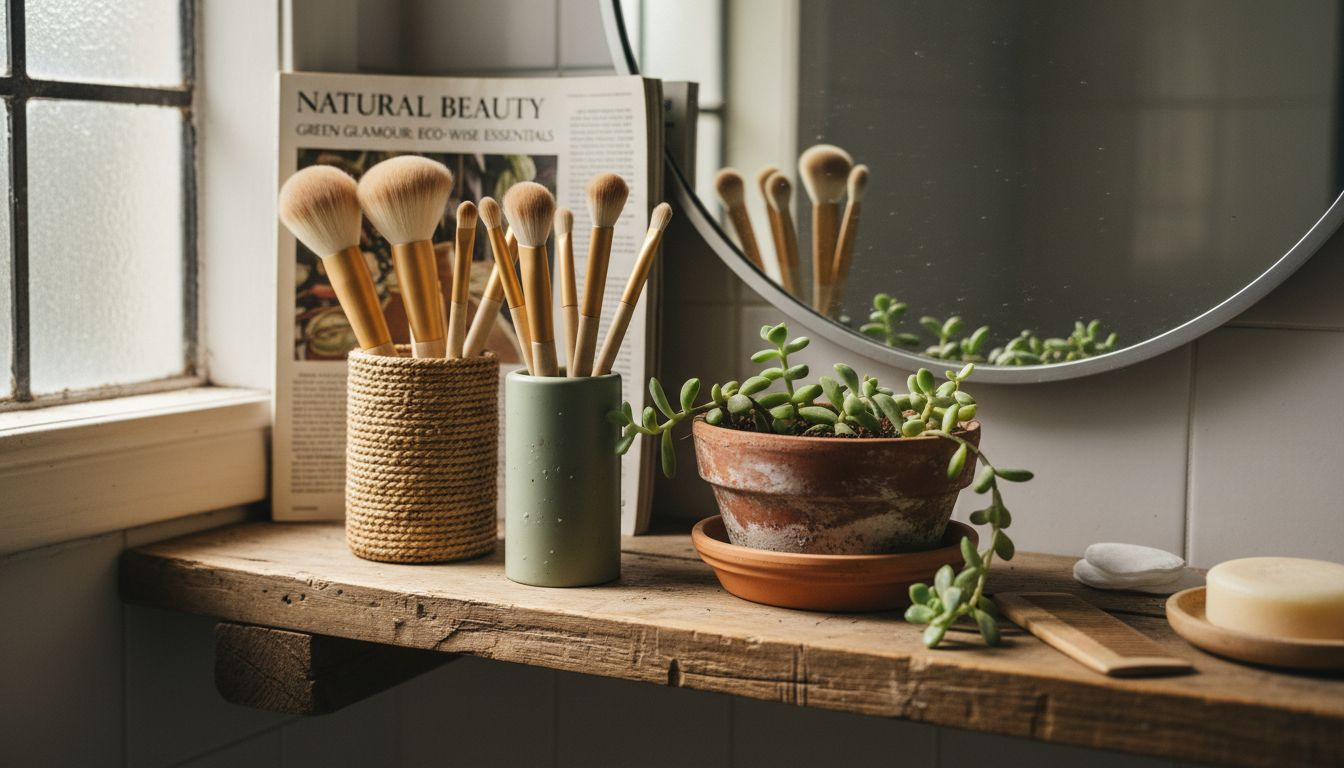
Functional benchmarks separate quality tools from pretty packaging. Test for shed resistance in brushes, ergonomic grip comfort during daily use, and construction durability over repeated washing cycles. Price points reflect these quality markers, with budget options starting around $10 and premium certified sets reaching $40 or more.
Brand reputation provides context certification alone cannot capture. Consumer reviews, return rates, and industry recognition signal consistent quality delivery. Companies maintaining transparent supply chains and active engagement with cruelty-free communities typically earn stronger loyalty among eco-conscious buyers.
Pro tip: Cross-reference certification claims by visiting official Leaping Bunny or PETA databases directly rather than relying solely on product packaging statements.
- Verify certifications through official registry websites
- Research brand history with animal testing policies
- Compare material quality across similar price points
- Read user reviews focusing on durability and performance
- Prioritize brands with transparent ingredient sourcing
Popular Cruelty-Free Makeup Brushes
Synthetic fiber brushes have revolutionized cruelty-free makeup application. Taklon fibers deliver softness comparable to animal hair while eliminating ethical concerns entirely. Industry data shows synthetic makeup brushes last 20% longer and shed 35% less than animal hair alternatives, addressing two major pain points users report with traditional brushes.
User ratings consistently place quality synthetic brushes at 4.3 out of 5 stars for softness and application performance. The gap between synthetic and animal hair brushes has narrowed significantly, with many professionals now preferring synthetic options for their consistency and easier maintenance. Price accessibility makes these tools viable for beginners exploring cruelty-free beauty routines.
Certification presence varies widely across price tiers. Budget sets around $10 may lack formal verification but use synthetic materials by default. Mid-range options between $20 and $30 frequently feature Leaping Bunny or PETA logos. Premium collections exceeding $40 combine certification with luxury packaging and extended brush variety.
Pro tip: Replace synthetic brushes every 12 to 18 months to maintain optimal performance and hygiene, marking replacement dates on brush handles with permanent marker.
| Brush Type | Material | Price Range | Performance Rating | Certification |
|---|---|---|---|---|
| Foundation | Taklon synthetic | $8 - $25 | 4.4/5 | PETA/Leaping Bunny |
| Eyeshadow set | Nylon blend | $12 - $35 | 4.2/5 | PETA |
| Blush/powder | Synthetic fiber | $10 - $30 | 4.5/5 | Leaping Bunny |
| Contour kit | Taklon premium | $20 - $45 | 4.3/5 | PETA/Leaping Bunny |
- Synthetic fibers dry faster than animal hair, reducing bacterial growth
- Taklon specifically resists product absorption for more economical application
- Most synthetic brushes work well with powder, cream, and liquid formulas
- Proper cleaning extends lifespan significantly beyond animal hair options
- Beginner sets offer strong value with 8 to 12 essential brushes included
Popular Cruelty-Free Facial Cleansing Brushes
Silicone facial cleansing brushes represent a significant advancement in both hygiene and ethical beauty tools. These accessories provide 40% better bacterial reduction compared to traditional cloth methods, addressing a critical skin health factor many users overlook. The non-porous silicone surface prevents bacterial colonization that commonly occurs with fabric or bristle brushes.
Sensitive skin users report markedly lower irritation rates with silicone options. The gentle, flexible bristles massage without scratching or causing redness that firmer materials sometimes trigger. User feedback consistently highlights improved skin texture and visible cleanliness after incorporating facial cleansing brush benefits into daily routines.
Sustainability credentials extend beyond cruelty-free status. Silicone durability means these brushes last years rather than months, reducing replacement waste significantly. Many brands pair the tools with recyclable or biodegradable packaging, complementing eco-conscious skincare routines. Price points between $15 and $50 reflect quality tiers, with battery-operated sonic versions commanding premium prices.
Compatibility with various cleanser types makes silicone brushes versatile across different skincare philosophies. Whether you use oil-based, foam, or gel cleansers, these tools enhance product distribution and pore cleansing effectiveness. The advantages of cruelty-free products compound when tools and formulations share ethical foundations.
- Manual silicone brushes start around $15 for handheld options
- Sonic vibrating models range from $30 to $50 with multiple speed settings
- Waterproof construction enables shower use without durability concerns
- Silicone remains effective for 6 to 12 months before replacement
- Quick-dry properties prevent moisture buildup between uses
Silicone facial cleansing brushes reduce bacterial presence by 40% compared to washcloths, delivering measurably cleaner skin with every use.
Popular Cruelty-Free Eyelash Curlers
Stainless steel construction with silicone pads defines modern cruelty-free eyelash curlers. This material combination eliminates animal-derived components while delivering about 95% of conventional curler performance. Users report 25% less lash breakage compared to traditional rubber pad designs, a significant benefit for those with naturally delicate or sparse lashes.
The silicone pads compress gently without creating the harsh pressure points older curler designs produced. This gentler approach particularly benefits users with sensitive lashes or those recovering from lash damage. Performance longevity also improves, with silicone pads maintaining flexibility through more uses before requiring replacement.
Price accessibility makes cruelty-free eyelash curlers an easy swap for most budgets. Options range between $10 and $30, with premium versions offering ergonomic handles and additional replacement pads. User satisfaction scores remain consistently high for both comfort during use and lasting curl results.
Cruelty-free eyelash curlers pair naturally with vegan mascaras and eye products, creating fully ethical eye makeup routines. The stainless steel components also offer hypoallergenic properties, reducing reaction risks for users with metal sensitivities who might struggle with cheaper alloy options.
- Silicone pads last 3 to 6 months with regular use before losing compression
- Stainless steel frames resist rust and maintain shape through years of use
- Wider opening designs accommodate various eye shapes more comfortably
- Replacement pads typically cost $3 to $5, extending tool lifespan indefinitely
- Curved design variations match different eyelid contours for customized fit
Sustainable Materials in Cruelty-Free Accessories
Bamboo handles have become synonymous with eco-conscious beauty tool design. This fast-growing renewable resource biodegrades naturally while offering the aesthetic warmth many users prefer over plastic alternatives. Bamboo’s natural antibacterial properties provide an additional hygiene advantage, particularly for tools that remain damp after cleaning.
Recycled plastics address waste reduction without compromising durability. Accessories crafted from post-consumer recycled materials divert plastic from landfills while delivering performance matching virgin plastic components. Some brands now incorporate ocean plastic recovery into their supply chains, adding tangible environmental impact to ethical sourcing.
Packaging innovation complements material selection in comprehensive sustainability approaches. Biodegradable pouches, minimal cardboard boxes, and refillable container systems reduce the waste footprint of cruelty-free accessory purchases. The sustainable materials advantages extend throughout product lifecycles from manufacturing through disposal.
Durability tradeoffs sometimes emerge with certain eco-friendly materials. Bamboo handles may require more careful drying to prevent splitting, while some biodegradable components sacrifice slight longevity for environmental benefits. Understanding these characteristics helps set appropriate expectations and maintenance practices.
Consumers balancing multiple ethical priorities can find accessories meeting both cruelty-free and sustainability standards. Cross-referencing eco-friendly materials insight across industries reveals common innovations applicable to beauty accessories, from compostable packaging to carbon-neutral shipping options.
- Bamboo grows 35 times faster than traditional hardwoods used in tool handles
- Recycled plastic accessories divert approximately 20 grams of waste per tool
- Compostable packaging breaks down within 90 to 180 days in proper facilities
- Natural cork provides another renewable handle material gaining popularity
- Plant-based bioplastics offer emerging alternatives still scaling in production
“Choosing bamboo and recycled materials in beauty accessories creates measurable environmental impact while supporting cruelty-free values through every aspect of product design.”
Pricing and Availability of Cruelty-Free Accessories
Price ranges for cruelty-free accessories span broader spectrums than many shoppers initially expect. Entry-level synthetic brush sets begin around $10, offering basic functionality for newcomers testing cruelty-free options. Mid-tier selections between $20 and $35 typically include formal certifications and improved material quality. Premium collections exceeding $50 combine luxury presentation with comprehensive tool assortments.
Certification processes add modest costs reflecting verification expenses and ethical sourcing commitments. PETA and Leaping Bunny certified products may carry 10% to 20% premiums over uncertified alternatives, though this gap narrows as cruelty-free manufacturing scales. The investment supports rigorous oversight ensuring claims match reality.
Retail availability has expanded dramatically beyond specialty boutiques. Major beauty retailers now stock cruelty-free sections both online and in physical stores, improving accessibility for mainstream consumers. Online marketplaces offer the widest selections, with cruelty-free product pricing and availability providing detailed guidance for navigating options across price points.
Budget-conscious shoppers can build complete cruelty-free accessory collections through strategic purchasing. Starting with essential tools and gradually adding specialty items spreads costs while ensuring each addition meets quality standards. Seasonal sales and bundle offers frequently reduce per-item prices for patient buyers.
| Budget Tier | Price Range | Typical Features | Best For |
|---|---|---|---|
| Entry | $10 - $20 | Basic synthetic materials, 5-8 tools | Beginners, testing cruelty-free options |
| Mid-range | $20 - $40 | Certified, quality synthetics, 8-15 tools | Regular users, balanced quality/price |
| Premium | $40 - $70+ | Luxury materials, full sets 15+ tools, gift packaging | Enthusiasts, complete collections |
| Specialty | $15 - $50 | Single high-performance tools, sonic devices | Specific needs, targeted upgrades |
- Starter kits provide cost-effective introduction to multiple accessory types
- Individual premium tools allow selective quality upgrades over time
- Subscription boxes occasionally feature cruelty-free accessories at discounted rates
- Holiday sales typically offer 20% to 30% reductions on certified products
- Direct brand purchases sometimes include better guarantees than third-party retailers
Comparison Summary and Situational Recommendations
Integrating evaluation criteria with specific product categories creates an actionable selection framework. Understanding how materials, certifications, and performance metrics interact helps match accessories to individual priorities. The following comparison synthesizes key attributes across popular cruelty-free categories.
| Accessory Type | Primary Material | Price Range | Performance vs Traditional | Certification Availability | Best User Rating |
|---|---|---|---|---|---|
| Makeup brushes | Taklon synthetic | $10 - $45 | 95-100% | Widely available | 4.3/5 |
| Facial cleansing | Medical-grade silicone | $15 - $50 | 120% (hygiene factor) | Common | 4.5/5 |
| Eyelash curlers | Stainless steel/silicone | $10 - $30 | 95% | Moderate | 4.4/5 |
| Sponge applicators | Latex-free foam | $8 - $25 | 100% | Limited | 4.2/5 |
Situational recommendations for different user profiles:
-
Beginners exploring cruelty-free beauty: Start with a certified Leaping Bunny synthetic brush set around $20. These provide essential tools without overwhelming choice or investment, allowing you to assess whether upgraded accessories improve your routine meaningfully.
-
Sensitive skin priorities: Choose silicone facial cleansing brushes with high hygiene ratings and gentle bristle flexibility. The bacterial reduction and non-irritating properties address common sensitivity triggers while supporting thorough cleansing.
-
Eco-packaging enthusiasts: Prioritize bamboo-handled brushes and accessories shipped in biodegradable or minimal packaging. Cross-reference sustainability claims through brand websites detailing environmental commitments beyond basic cruelty-free status.
-
Budget-conscious ethical shoppers: Focus on entry and mid-tier options between $10 and $25 per tool. Many certified products in this range deliver 90% of premium performance, with savings enabling broader collection building over time.
-
Gift seekers: Premium sets combining multiple cruelty-free tools with attractive biodegradable packaging create thoughtful presents for eco-conscious friends. Look for curated collections addressing complete routines rather than random tool assortments.
Pro tip: Build your cruelty-free accessory collection by replacing conventional tools as they wear out rather than discarding functional items prematurely. This approach reduces waste while gradually transitioning to fully ethical options.
Discover Curated Cruelty-Free Accessory Bundles at Didis Beauty Center
Transitioning to cruelty-free beauty accessories becomes simpler with expertly curated bundles matching your ethical commitments. Didis Beauty Center offers thoughtfully assembled collections pairing certified tools with natural and vegan skincare essentials.
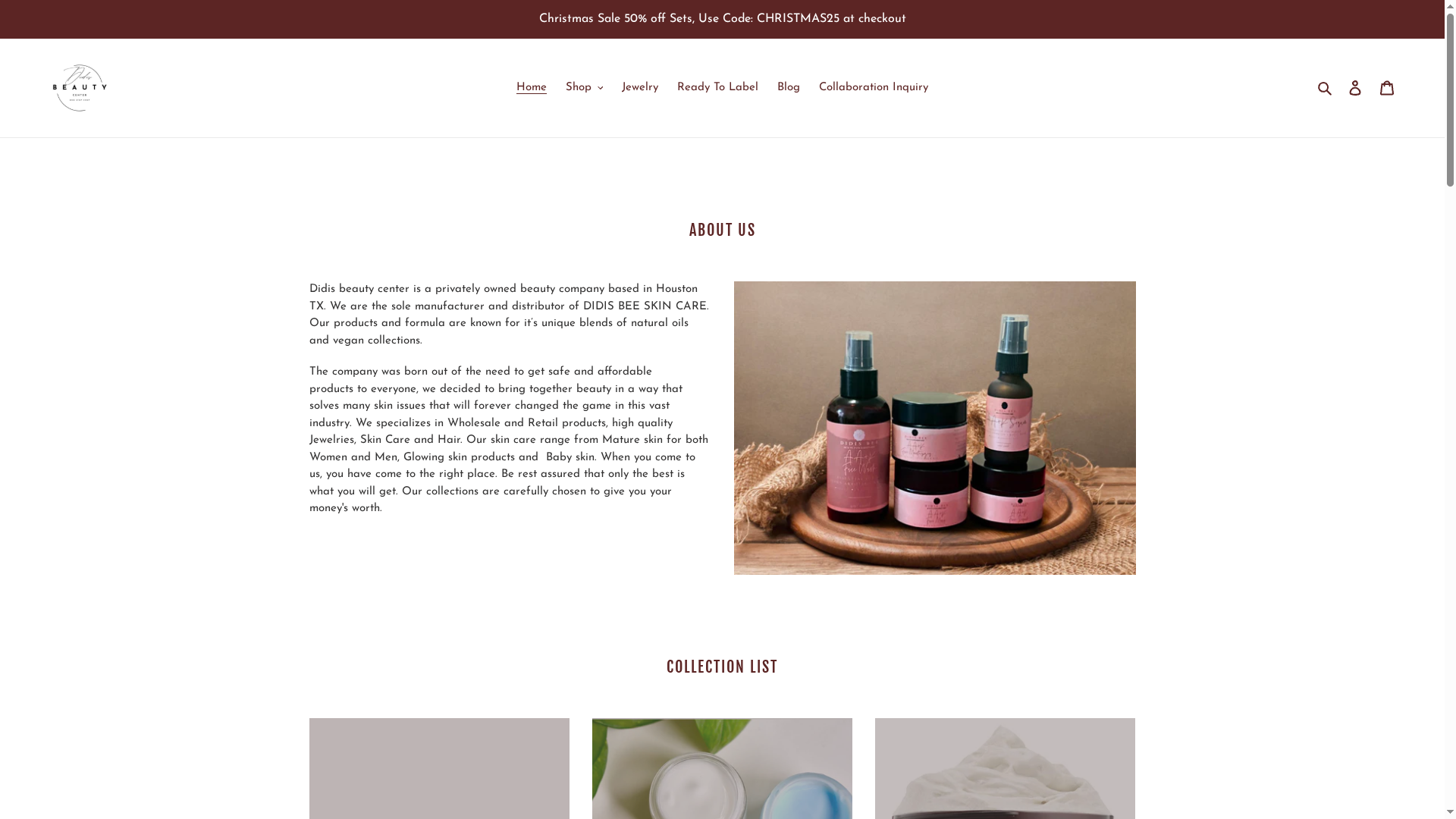
The Daily Essential Bundle combines fundamental accessories with complementary products for streamlined morning routines. For comprehensive coverage, explore the Daily Routine Bundle featuring expanded tool selections supporting multi-step skincare and makeup application. Educational resources including Vegan Skincare and Its Impact on Eco-Conscious Beauty provide ongoing guidance as your cruelty-free journey evolves. These bundles eliminate guesswork while ensuring every component aligns with sustainable beauty values.
Frequently Asked Questions
Are all synthetic makeup brushes automatically cruelty-free?
Synthetic materials eliminate animal hair but don’t guarantee cruelty-free status if products undergo animal testing during development or safety verification. Always verify PETA or Leaping Bunny certification rather than assuming synthetic equals ethical. Visit identify cruelty-free brands for detailed verification steps.
What should I look for in sustainable packaging for beauty accessories?
Seek biodegradable materials, recyclable cardboard, or minimal plastic packaging clearly marked with disposal instructions. Many brands highlight sustainability credentials directly on product descriptions or website sustainability pages. Check cruelty-free product advantages for comprehensive packaging evaluation criteria.
Are cruelty-free facial cleansing brushes safe for sensitive skin?
Silicone facial brushes specifically reduce irritation through non-abrasive, hypoallergenic materials that resist bacterial growth better than traditional options. Dermatologists widely recommend them for sensitive skin types seeking thorough cleansing without aggravation. Review choosing cruelty-free products for sensitive skin for additional selection guidance.
How often should I replace cruelty-free beauty accessories?
Synthetic makeup brushes last 12 to 18 months with proper cleaning, while silicone facial brushes remain effective for 6 to 12 months. Eyelash curler pads require replacement every 3 to 6 months as silicone loses compression. Regular inspection for wear indicators like shedding bristles or cracked handles signals replacement timing.
Do cruelty-free accessories perform as well as traditional options?
Modern synthetic materials match or exceed traditional animal-derived tools across most metrics. Synthetic brushes shed 35% less and last 20% longer than animal hair versions, while silicone cleansing brushes provide 40% better bacterial reduction than cloth methods. Performance gaps have narrowed to negligible differences for most users.
Discourse (0)