


Choosing cruelty-free skincare is more than a trend—it is a response to growing ethical demands worldwide. With over 60 percent of American consumers now preferring cruelty-free products, beauty brands face new expectations for transparency and integrity. This guide uncovers practical steps for selecting only certified cruelty-free ingredients and building responsible processes that support animal welfare, inspire consumer trust, and keep your formulations ahead in an increasingly conscious market.
Table of Contents
- 1. Choose Certified Cruelty-Free Ingredients Only
- 2. Avoid Animal Testing at Every Production Stage
- 3. Verify Suppliers’ Cruelty-Free Standards
- 4. Use Transparent Ingredient Labeling
- 5. Educate Customers on Cruelty-Free Choices
- 6. Support Ethical Packaging and Shipping
- 7. Join Cruelty-Free Beauty Advocacy Groups
Quick Summary
| Takeaway | Explanation |
|---|---|
| 1. Use Certified Cruelty-Free Ingredients | Select ingredients verified as cruelty-free to ensure ethical sourcing and demonstrate commitment to animal welfare. |
| 2. Avoid Animal Testing Completely | Implement advanced non-animal testing methods to avoid animal suffering and enhance your brand’s ethical reputation. |
| 3. Thoroughly Verify Supplier Standards | Conduct rigorous audits and require documentation to ensure all suppliers adhere to cruelty-free practices. |
| 4. Provide Transparent Ingredient Labeling | Use clear, detailed labeling to empower consumers and build trust in your brand’s ethical practices. |
| 5. Educate Customers on Cruelty-Free Choices | Share information about cruelty-free standards to help consumers make informed and conscious purchasing decisions. |
1. Choose Certified Cruelty-Free Ingredients Only
Certified cruelty-free ingredients represent the gold standard for ethical beauty product development. By selecting ingredients that have been independently verified as cruelty-free, beauty brands demonstrate a genuine commitment to animal welfare and responsible sourcing.
The process of obtaining cruelty-free certification goes far beyond basic legal compliance. Cruelty Free International’s approval programme conducts rigorous independent audits that examine every stage of ingredient production. These comprehensive checks ensure no animal testing occurs within the entire supply chain, from initial raw material sourcing to final product manufacturing.
When selecting ingredients, beauty brands must be exceptionally thorough. This means verifying that each component meets strict ethical standards worldwide. Certification requires brands to avoid markets like mainland China, where animal testing remains legally mandated. Ingredient suppliers must provide transparent documentation proving zero animal testing throughout their production processes.
Practically speaking, brands can achieve certified cruelty-free status by working exclusively with suppliers who have been independently audited and verified. Cruelty-free ingredient verification involves comprehensive background checks that trace ingredient origins and testing practices.
Key steps for brands include: • Requesting detailed supplier documentation • Verifying international certification credentials • Conducting periodic supplier reassessments • Maintaining transparent communication about ingredient sourcing
Pro tip: Invest in comprehensive supplier verification processes and maintain meticulous documentation to streamline your cruelty-free certification journey.
2. Avoid Animal Testing at Every Production Stage
Animal testing represents a critical ethical challenge in the beauty industry, with significant implications for brand reputation and consumer trust. Modern beauty brands must proactively eliminate animal testing across all stages of product development to maintain their commitment to ethical practices.
The cosmetics industry has made substantial progress in developing alternative testing methodologies known as New Approach Methodologies (NAMs). These innovative techniques include advanced in vitro and in silico methods that provide scientifically robust safety assessments without harming animals.
Why Avoiding Animal Testing Matters: • Demonstrates ethical brand commitment • Meets growing consumer demand for cruelty-free products • Utilizes more advanced scientific testing techniques • Reduces unnecessary animal suffering
Regulatory landscapes vary globally, but progressive brands go beyond minimum legal requirements. While some regions like the European Union have banned animal testing for cosmetics, regulatory loopholes still exist that can compromise a brand’s cruelty-free status.
Practical strategies for avoiding animal testing include: • Implementing advanced non animal test methods • Partnering with laboratories specializing in human cell cultures • Utilizing computer modeling for safety predictions • Regularly auditing ingredient supply chains
Pro tip: Invest in training your research and development team on cutting edge non animal testing technologies to stay ahead of industry ethical standards.
3. Verify Suppliers’ Cruelty-Free Standards
Ensuring cruelty-free standards extends far beyond a brand’s own manufacturing processes. Beauty brands must implement comprehensive verification protocols to guarantee their entire supply chain meets stringent ethical requirements.
Cruelty Free International’s approval programme emphasizes the critical importance of end to end supply chain transparency. This means brands cannot simply assume their suppliers are cruelty free they must actively investigate and document compliance.
Key Steps for Supplier Verification: • Request detailed documentation of testing practices • Conduct independent ingredient sourcing audits • Validate supplier certifications • Maintain ongoing compliance monitoring • Require signed ethical sourcing agreements
Comprehensive supplier verification involves multiple layers of scrutiny. Brands must collect and review documentation that confirms no animal testing occurs during any stage of ingredient production. This process requires meticulous examination of manufacturing processes, ingredient origins, and testing methodologies.
Additional verification strategies include: • Requesting third party certification documents • Performing surprise manufacturing site inspections • Implementing annual supplier ethical review processes • Creating clear contractual animal testing prohibition clauses
Pro tip: Develop a standardized supplier questionnaire that comprehensively covers animal testing practices to streamline your ethical verification process.
4. Use Transparent Ingredient Labeling
Transparent ingredient labeling represents a cornerstone of ethical beauty brand communication. Modern consumers demand clear comprehensive information about product composition and sourcing.
Clean beauty ingredient transparency has become a critical factor in building consumer trust and demonstrating brand integrity. By providing detailed ingredient information, beauty brands can effectively combat greenwashing and empower consumers to make informed purchasing decisions.
Essential Ingredient Labeling Components: • Full ingredient names in plain language • Origin and sourcing details • Potential allergen warnings • Third party certification information • Ethical production method disclosures
Consumer perception studies consistently show that brands committed to transparent labeling gain significant competitive advantages. Clear labeling goes beyond legal requirements by providing comprehensive information that helps consumers understand product safety and ethical standards.
Best Practices for Ingredient Transparency: • Use common ingredient names • Include scientific and botanical names • Specify ingredient sources • Highlight sustainable or organic components • Provide clear allergen information
Pro tip: Create a digital companion guide for your product labels that offers deeper insights into ingredient sourcing and ethical production methods.
5. Educate Customers on Cruelty-Free Choices
Customer education is a powerful tool for transforming beauty industry practices and driving ethical consumption. By providing transparent information about cruelty-free standards, brands can empower consumers to make more conscious purchasing decisions.
Consumer knowledge about cruelty-free products significantly influences their attitudes and purchase intentions. When brands take an active role in explaining ethical implications, they create meaningful connections with socially aware customers.
Key Education Strategies: • Explain certification logos clearly • Share detailed product sourcing information • Highlight ethical production processes • Demonstrate real world impact of cruelty-free choices • Use storytelling to communicate brand values
Effective customer education goes beyond simple marketing. It requires creating genuine understanding about what cruelty-free truly means. This involves breaking down complex concepts into digestible information that resonates with consumers emotional and ethical motivations.
Effective Communication Channels: • Social media storytelling • Product packaging information • Brand website resources • Interactive online tutorials • Influencer partnerships
Pro tip: Create engaging multimedia content that explains cruelty-free standards in a way that feels personal and actionable for your customers.
6. Support Ethical Packaging and Shipping
Ethical packaging and shipping represent critical opportunities for beauty brands to demonstrate environmental responsibility and align with consumer values. Modern consumers increasingly prioritize brands that demonstrate genuine commitment to sustainability.
Green packaging strategies in cosmetics directly impact consumer perceptions of brand legitimacy and environmental value. By adopting innovative sustainable solutions, brands can differentiate themselves while reducing their ecological footprint.
Key Sustainable Packaging Strategies: • Use recyclable materials • Minimize packaging waste • Choose biodegradable alternatives • Implement refillable packaging systems • Select renewable resource materials
Sustainable shipping practices complement ethical packaging efforts. This holistic approach involves optimizing logistics to reduce carbon emissions and supporting carbon offset initiatives. Practical implementation means carefully selecting shipping partners who prioritize environmental responsibility.
Ethical Shipping Considerations: • Select carbon neutral shipping providers • Use minimal packaging materials • Consolidate shipments to reduce transportation emissions • Explore local distribution networks • Invest in carbon offset programs
Pro tip: Develop transparent reporting about your packaging and shipping sustainability efforts to build trust and demonstrate your brand’s genuine environmental commitment.
7. Join Cruelty-Free Beauty Advocacy Groups
Advocacy groups play a transformative role in advancing cruelty-free standards across the beauty industry. By joining these organizations, beauty brands can amplify their impact and contribute to meaningful systemic change.
Cruelty-free certification programmes offer beauty brands strategic opportunities to demonstrate their commitment to ethical practices. These networks provide platforms for collaboration, education, and collective advocacy against animal testing.
Key Benefits of Joining Advocacy Groups: • Access to industry research • Networking with like minded brands • Credible certification opportunities • Policy change influence • Consumer trust enhancement
Nonprofit organizations such as Clean Beauty Action drive industry transformation through education and scientific research. These groups empower brands to become agents of change by providing resources, policy guidance, and global platforms for raising awareness.
Strategic Advocacy Group Engagement: • Attend industry conferences • Participate in collaborative research • Support policy recommendations • Share best practices • Amplify collective messaging
Pro tip: Select advocacy groups aligned with your brand’s specific ethical values and invest time in meaningful participation beyond simple membership.
| Ethical Practice | Implementation Details | Benefits |
|---|---|---|
| Use certified cruelty-free ingredients | Select ingredients independently verified as cruelty-free and approved by reputable organizations. | Ensures ethical sourcing and production while demonstrating a commitment to animal welfare. |
| Avoid animal testing at every production stage | Employ innovative in vitro and in silico testing methods. Partner with laboratories specializing in non-animal methodologies. | Adheres to ethical standards, meets consumer expectations, and utilizes advanced testing technologies. |
| Verify suppliers’ cruelty-free standards | Conduct thorough audits, review certifications, and require strict compliance from all suppliers. | Maintains a transparent supply chain and reinforces brand integrity. |
| Use transparent ingredient labeling | Clearly list ingredients with sourcing details and ethical production methods. | Builds consumer trust and aligns with demands for ethical transparency. |
| Educate customers on cruelty-free choices | Inform customers about certification logos, sourcing details, and the importance of cruelty-free standards. | Empowers consumers to make informed decisions and strengthens brand loyalty. |
| Support ethical packaging and shipping | Utilize recyclable and biodegradable packaging materials and adopt sustainable shipping practices. | Enhances environmental responsibility and reduces ecological impact. |
| Join cruelty-free beauty advocacy groups | Participate in organizations and collaborative research to influence industry standards. | Amplifies ethical commitments and engages in meaningful policy change advocacy. |
Embrace True Cruelty-Free Beauty with Didis Beauty Center
Choosing cruelty-free practices means committing to transparency, ethical sourcing, and genuine care for animals throughout your beauty journey. If you want skincare products that align with these values, explore our Cream Collection - Skincare & Moisturizers for Face & Beard – Didis Beauty Center. Each product features natural, vegan formulations designed to honor ethical standards without compromise.
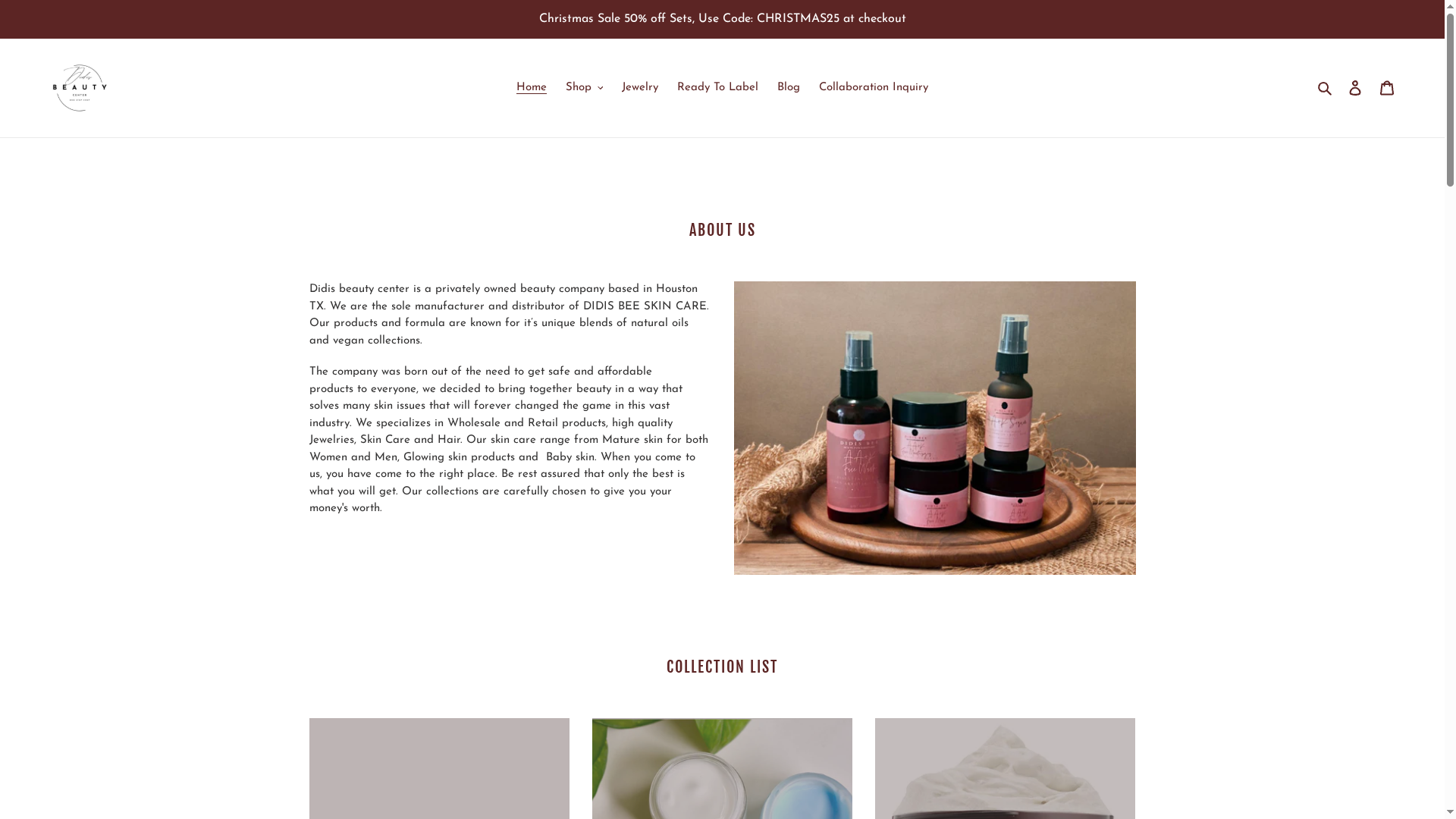
Take control of your beauty routine or business today with cruelty-free options that stand apart. Whether you are looking to enhance your personal care or launch your own brand, our Ready To Label Collection - Brightening Skin Care – Didis Beauty Center offers an ethical foundation for your cruelty-free ambitions. Visit Didis Beauty Center now and champion transparency, sustainability, and compassion in every product you choose.
Frequently Asked Questions
What are certified cruelty-free ingredients?
Certified cruelty-free ingredients are components that have been independently verified to ensure they were not tested on animals at any stage of production. To adopt this practice, beauty brands should work exclusively with suppliers who can provide transparent documentation showing their compliance with cruelty-free standards.
How can beauty brands avoid animal testing?
Beauty brands can avoid animal testing by implementing advanced non-animal testing methods, such as in vitro and computer modeling techniques. Begin by training your research and development team on these innovative testing approaches to enhance ethical product development.
What steps should beauty brands take to verify suppliers’ cruelty-free standards?
Brands should request detailed documentation of testing practices, conduct independent audits of ingredient sourcing, and validate supplier certifications. For best results, maintain ongoing compliance monitoring to ensure that all suppliers consistently adhere to cruelty-free practices.
Why is transparent ingredient labeling important for beauty brands?
Transparent ingredient labeling builds consumer trust by providing comprehensive information about product composition and sourcing. To enhance transparency, brands should include full ingredient names, sourcing details, and allergen warnings on their product labels.
How can beauty brands educate customers about cruelty-free choices?
Educating customers about cruelty-free choices involves clearly explaining certification logos, sharing sourcing information, and highlighting the impact of cruelty-free practices. Start by developing engaging multimedia content that communicates these standards effectively, appealing to consumers’ emotional and ethical motivations.
What are effective strategies for supporting ethical packaging and shipping?
To support ethical packaging and shipping, beauty brands should use recyclable materials, minimize waste, and choose carbon-neutral shipping providers. Implement these strategies to reduce your environmental impact, aiming to consolidate shipments to cut transportation emissions and support sustainability initiatives.
Recommended
- 7 Inspiring Examples of Cruelty-Free Brands to Know – Didis Beauty Center
- 7 Inspiring Examples of Cruelty-Free Brands to Know – Didis Beauty Center
- Why Support Cruelty-Free Brands: Lasting Beauty Impact – Didis Beauty Center
- Why Support Cruelty-Free Brands: Lasting Beauty Impact – Didis Beauty Center
Discourse (0)